




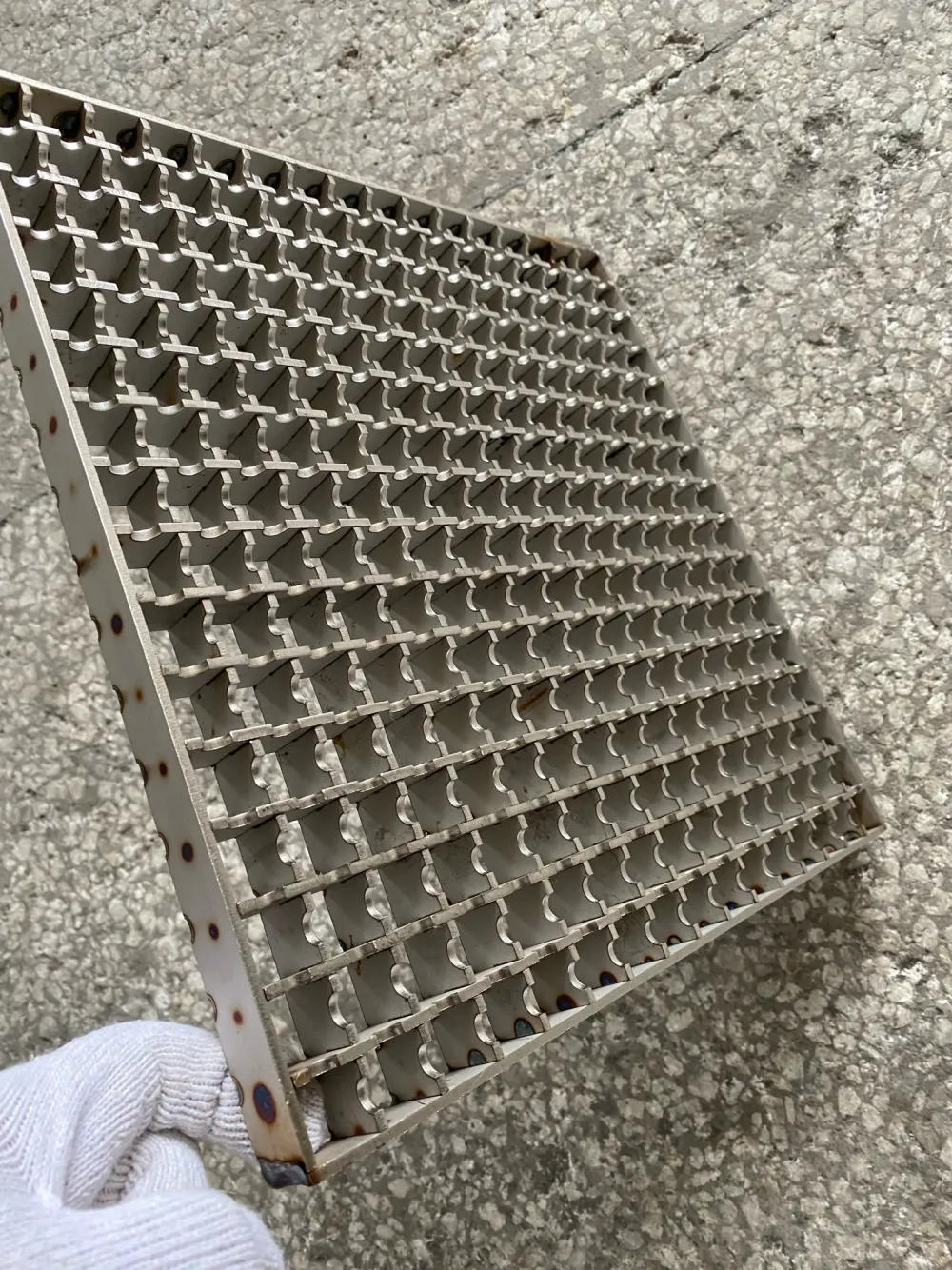
Heel-proof stainless steel drain grates are used where a drainage opening must also provide a comfortable pedestrian surface. Compared with conventional industrial bar grating, they use narrower gaps that reduce the risk of slim shoe heels entering the grate. The same geometry can also improve the movement of small wheels, depending on slot orientation and the applicable project standard.
However, a grate should not be selected from slot width alone. Open area, hydraulic capacity, support span, traffic load, cleaning access and corrosion exposure all influence the final design. A good specification treats the grate, frame and drain channel as one coordinated system.
Define What Heel-Proof Means for the Project
Heel-proof is a functional description, not one universal dimension. Accessibility, public-realm and drainage standards may define openings differently by region and application. The specification should name the required standard or state the maximum permitted opening directly.
Do not assume that a product described as heel-proof automatically satisfies wheelchair, bicycle or other accessibility requirements. These may also control opening direction, surface level, edge gaps and movement under load.
Choose Slot Width and Orientation Together
Narrower slots improve resistance to heel entry but reduce open area if the bar pattern remains unchanged. The designer must balance walking safety with the expected flow rate and debris load. In landscaped areas, leaves and sediment can influence performance more than rainfall calculations alone.
Slot orientation matters. Long openings parallel to travel can catch narrow wheels more easily than openings placed across the travel direction. When wheelchairs, carts or bicycles are expected, show the predominant direction of movement on the drainage plan and coordinate the bar orientation accordingly.
Check Hydraulic Open Area
The visible grate width is not the same as hydraulic open area. Supporting bars, frames, anti-slip features and fixing points reduce the free area available for water. Ask for the calculated or measured open area of the proposed pattern and compare it with the channel and outlet capacity.
Drainage performance should be evaluated from inlet to outlet. A high-flow grate cannot compensate for an undersized channel, insufficient slope, blocked outlet or poor maintenance access.
State the Support Span and Load
The clear distance between supports has a major effect on grate strength and deflection. A grate that is adequate on a narrow rebate may not be suitable across a wider channel. Provide the channel section, bearing width and clear span rather than only the grate’s outside dimension.
Traffic should be described with an applicable load class or defined design load. Pedestrians, luggage trolleys, maintenance carts and vehicles produce different demands. Excessive deflection can create noise, rocking, trip edges or damage to the surrounding finish even before structural failure occurs.
| Design Input | What to Specify |
|---|---|
| Maximum opening | Required standard or dimensional limit |
| Travel direction | Pedestrian, wheelchair, cart or bicycle movement |
| Hydraulic demand | Flow, open area, debris and outlet conditions |
| Support detail | Clear span, bearing width and frame geometry |
| Traffic load | Applicable class or project design value |
| Environment | Indoor, outdoor, coastal, pool or chemical cleaning |
Select the Stainless Steel Grade
Grade 304 is commonly used in general architectural and commercial drainage. Grade 316 is often preferred for coastal developments, pool surrounds and environments with chloride exposure. Material selection should also account for cleaning chemicals, standing water and contamination from nearby carbon-steel work.
If the grate, frame, fasteners and channel use different materials, define each part clearly. Stainless steel surfaces should be protected during fabrication, transport and site work to reduce iron contamination and staining.
Surface Texture and Slip Resistance
A narrow opening does not by itself make a grate slip-resistant. Bar profile, surface finish, drainage, contamination and footwear all affect traction. Where a slip-resistance value or test standard is required, include it in the enquiry rather than relying on visual texture.
Serrated or textured profiles may improve grip but can also change appearance, cleaning behavior and barefoot comfort. Pool and hospitality projects often need a different balance from industrial wash-down areas.
Panel Length, Removal and Maintenance
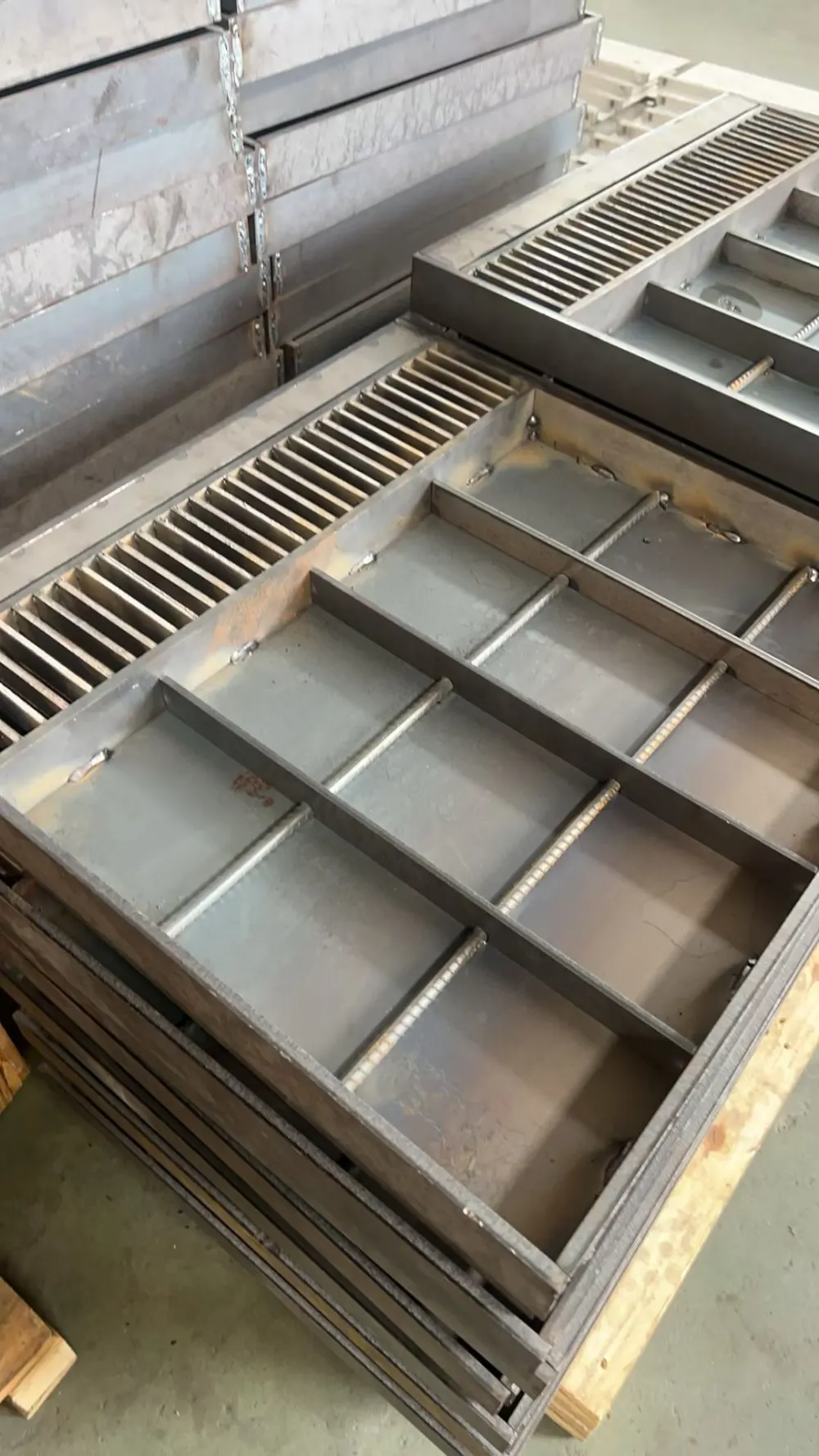
Long drainage runs should normally be divided into manageable panels. Modular sections simplify handling, cleaning and replacement. The layout should avoid very short pieces at corners and outlets, and each panel should have adequate bearing without excessive movement.
Define how panels will be lifted and whether they require security fasteners. Maintenance staff need access to sediment baskets, channels and outlets without damaging the finished paving.
Manufacturing and Inspection
Fabrication can include bar cutting, fixture assembly, welding, straightening, frame construction, pickling or passivation and surface finishing. Fixtures help maintain consistent slot dimensions and panel squareness during welding.
Inspection should cover material, overall size, slot width, bar spacing, frame fit, flatness, weld condition and identification of modular sections. If load testing, slip testing or a specific accessibility check is required, define the method and acceptance criteria before production. AODSON can provide material traceability and inspection documentation when included in the order.
Common Specification Mistakes
- Writing heel-proof without stating a standard or maximum opening
- Ignoring slot orientation relative to wheels and pedestrian movement
- Comparing grate width instead of hydraulic open area
- Omitting the channel rebate and clear support span
- Using light duty or heavy duty without a defined load
- Choosing 304 or 316 only by price without reviewing exposure
- Failing to plan removable panel lengths and cleaning access
RFQ Checklist for Heel-Proof Drain Grates
Send the channel plan and section, grate width and panel length, maximum slot opening, travel direction, required standard, hydraulic requirement, support span, traffic load, stainless grade, surface finish, frame requirement and total quantity. Photographs are useful when a new grate must fit an existing channel.
Review AODSON’s custom heel-proof stainless steel trench drain grates, read the broader linear drainage system guide, or submit your drainage drawings for review.
Frequently Asked Questions
Is every narrow-slot grate heel-proof?
No. The permitted opening depends on the project definition and applicable standard. Confirm dimensions instead of relying on the product name alone.
Can heel-proof grates carry vehicles?
They can be engineered for different loads, but the slot pattern alone does not establish capacity. Clear span, bar section, support and test requirements must be reviewed.
Should the slots run across the direction of travel?
This is often preferable where small wheels are present, but the final orientation should follow the project standard, drainage layout and movement pattern.
Can AODSON make grates for an existing channel?
Yes. Provide the rebate, clear span, bearing detail, required opening and panel layout so fit and performance can be reviewed.