Local Service, Global Capabilities.
Local Service, Global Capabilities.
Precision casting, compared to die casting, has the advantages of low mold costs, complex shapes, tight tolerances, smooth surfaces, less machining, and material savings, providing the most cost-effective precision casting service for mass production of custom precision casting parts.
Get a Rapid Quote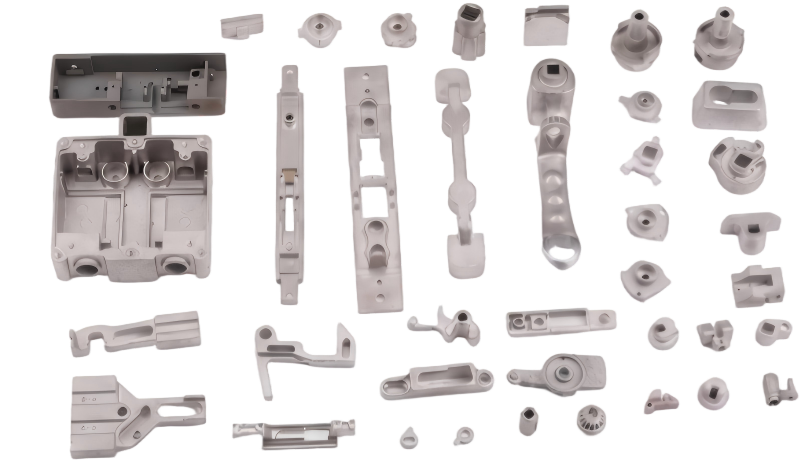
Precision casting, also known as investment casting or lost wax casting, begins with the creation of a precise wax mold that replicates the required final parts. The wax mold is then coated with a fine ceramic material to form a shell, which is heated to harden the ceramic shell and melt the wax mold, leaving a hollow ceramic mold. The mold is preheated to ensure that the molten metal (usually steel, aluminum or titanium) flows smoothly into the cavity. After the metal has been poured and solidified, the ceramic shell is cracked and the casting is finished. This process ensures excellent detail and dimensional accuracy, making it ideal for manufacturing complex parts with intricate features and tight tolerances, while also significantly saves materials and reduces machining.
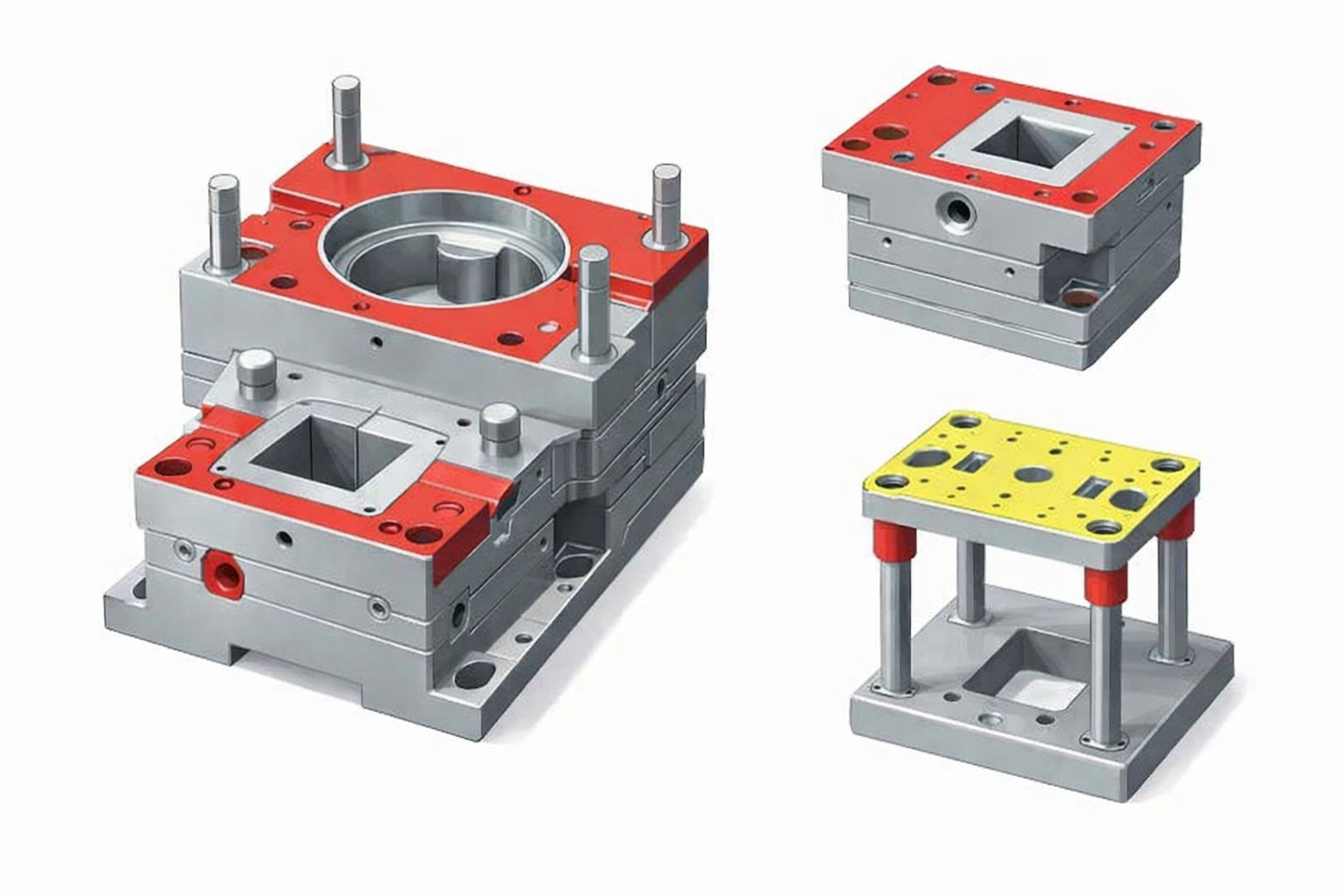
Precision casting delivers components with tight tolerances and excellent dimensional consistency, often eliminating the need for extensive machining. This makes it ideal for parts requiring high precision, such as turbine blades, surgical tools, or complex gear components.
The casting process allows the formation of intricate shapes, thin walls, and internal cavities that would be difficult or impossible to achieve with machining or forging. This enables engineers to design freely without being constrained by manufacturing limitations.
Precision casting supports a wide range of metals and alloys—including stainless steel, carbon steel, aluminum, titanium, and superalloys—making it suitable for applications with specific mechanical, thermal, or chemical requirements.
With fine-grain ceramic molds and advanced process control, precision-cast parts feature smooth surfaces that reduce the need for post-processing. This is especially beneficial for aesthetic or aerodynamic parts where surface quality is critical.
By forming near-net-shape components, precision casting minimizes material removal during finishing and decreases raw material waste. This not only cuts costs but also improves sustainability across the manufacturing cycle.
Unlike forging or stamping, precision casting doesn't require expensive tooling for each geometry. It can offer cost advantages for low and medium production runs of complex parts, depending on geometry, material, tooling and inspection requirements.
Our precision cast parts are meticulously engineered to be seamlessly integrated with CNC machining, drilling, and surface finishing processes, with final tolerances confirmed according to geometry, material and inspection requirements. This meticulous integration is pivotal for the production of cost-effective, high-accuracy components, for industrial equipment, fluid handling, marine, food equipment and other engineered applications.
| Specification | Lowest Range | Highest Range |
|---|---|---|
| Dimension | 10mm | 500mm |
| Weight | 10g | 30kg |
| Wall Thickness | 1mm | 10mm |
| Hole Diameter | 2mm | - |
| Features | 0.5mm | - |
| Linear Tolerance | - | ±0.1mm |
| Angular Tolerance | - | ±0.5° |
| Roughness | - | Ra3.2 |
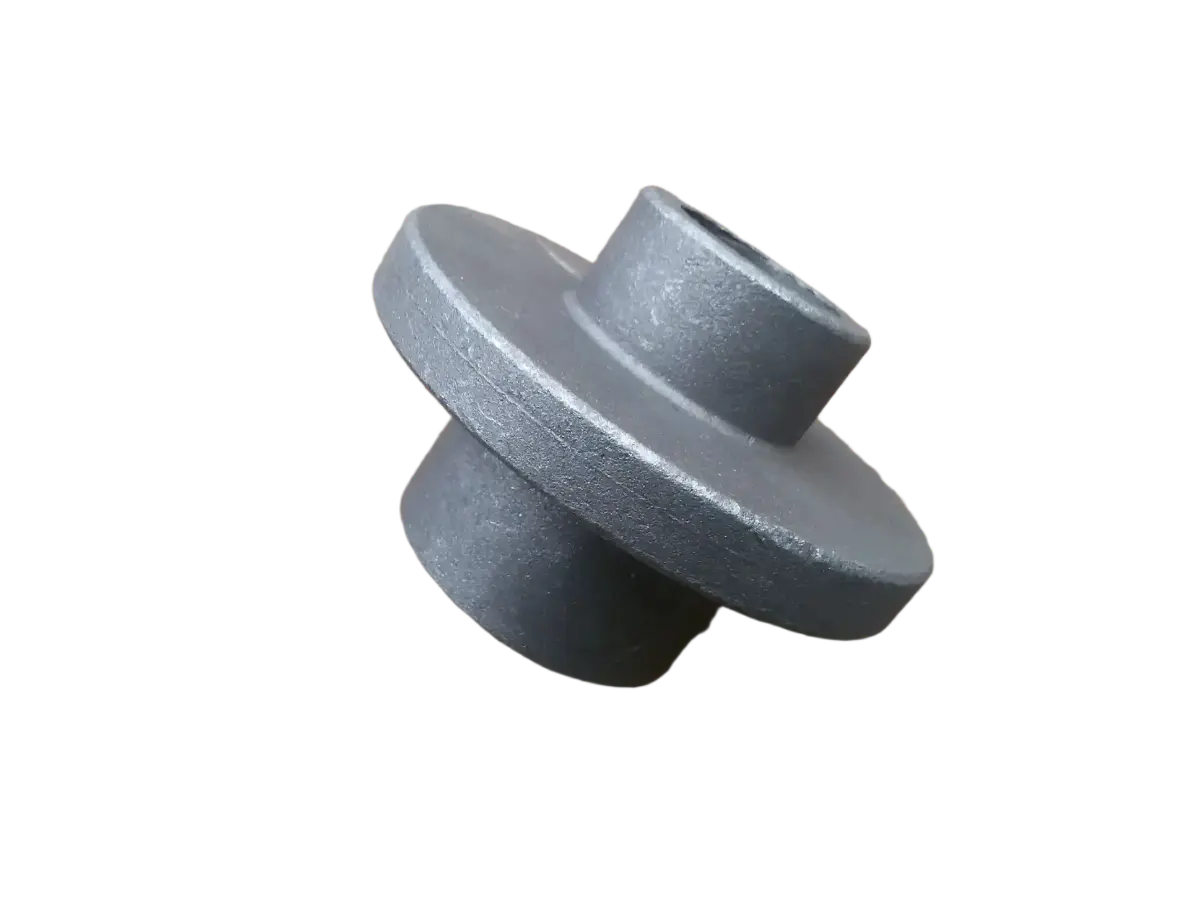
Carbon steels are widely used in structural and industrial applications due to their strength, toughness, and affordability.
Common Grades: 1020, 4130, 4140, 4340, 8620
Applications: Mechanical linkages, brackets, housings, automotive parts
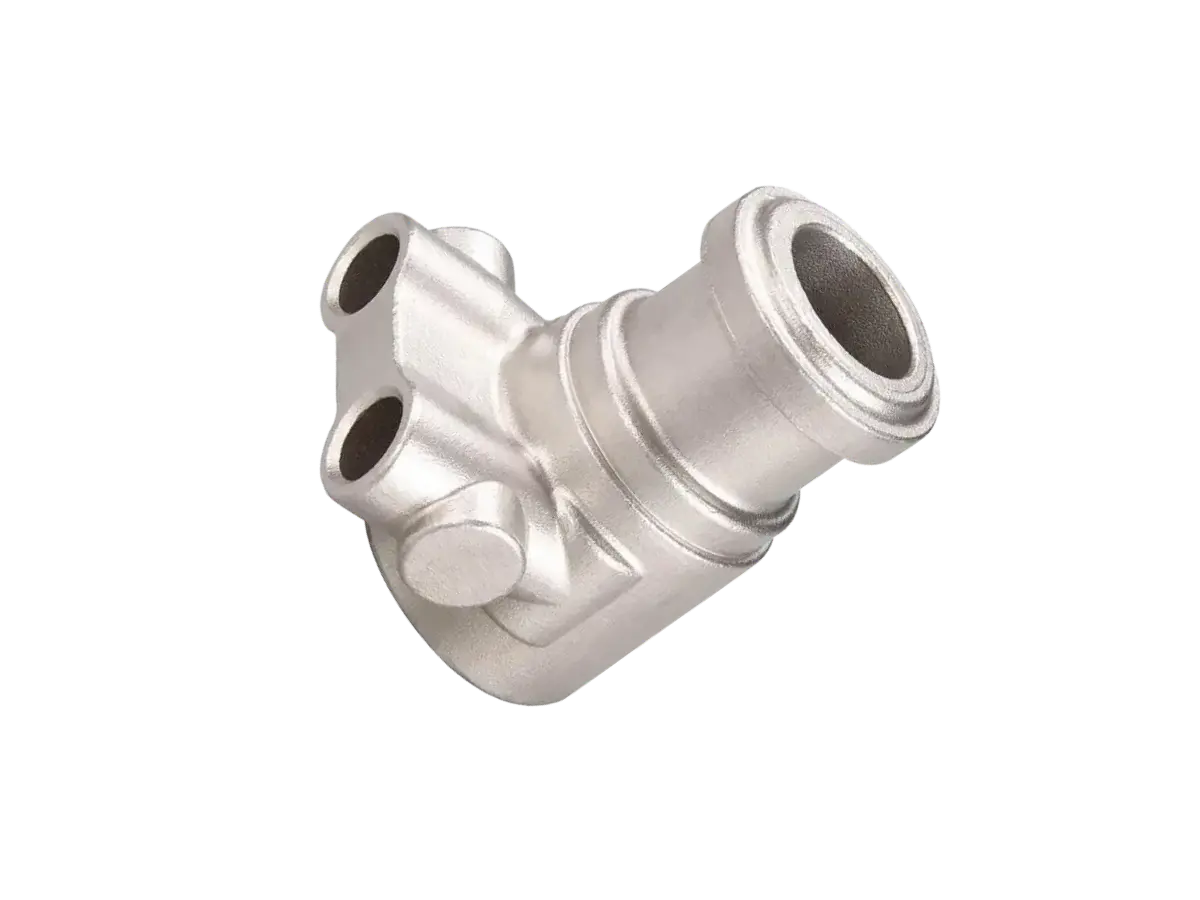
Stainless steels offer excellent corrosion resistance, hygiene, and strength, making them ideal for medical, food-grade, marine, and outdoor environments.
Common Grades: 303, 304, 316 (austenitic), 410, 416, 440C (martensitic), 15-5 PH, 17-4 PH (precipitation hardening)
Applications: Surgical tools, pump bodies, marine fittings, valve components
Tool steels are known for their hardness, wear resistance, and thermal stability—well-suited for high-stress and high-friction applications.
Common Grades: A2, D2, M2, O1, S7
Applications: Dies, cutting tools, industrial molds
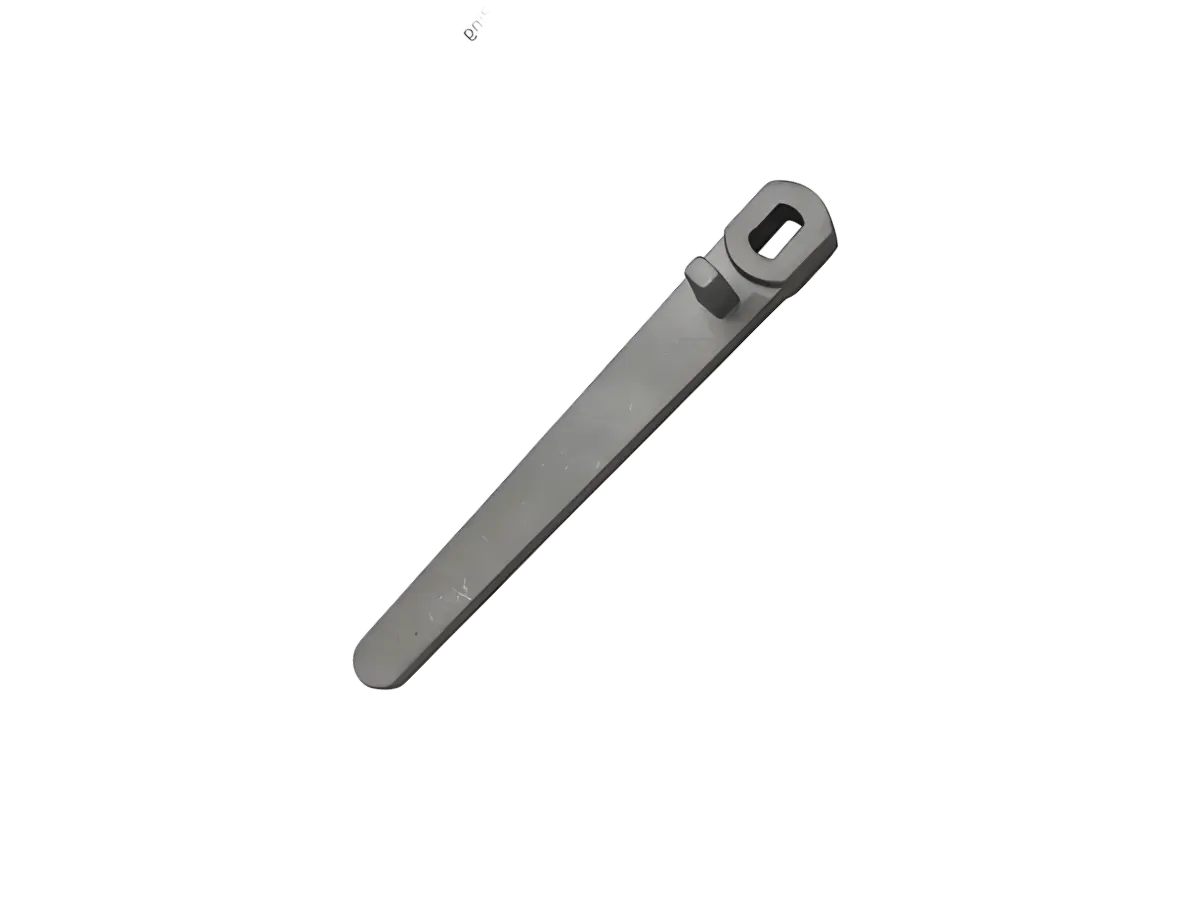
Nickel alloys provide exceptional resistance to heat and corrosion, suitable for harsh operating conditions.
Common Grades: Inconel 625, Inconel 718, Monel M35-2
Applications: Turbine parts, chemical processing, high-temperature engine components
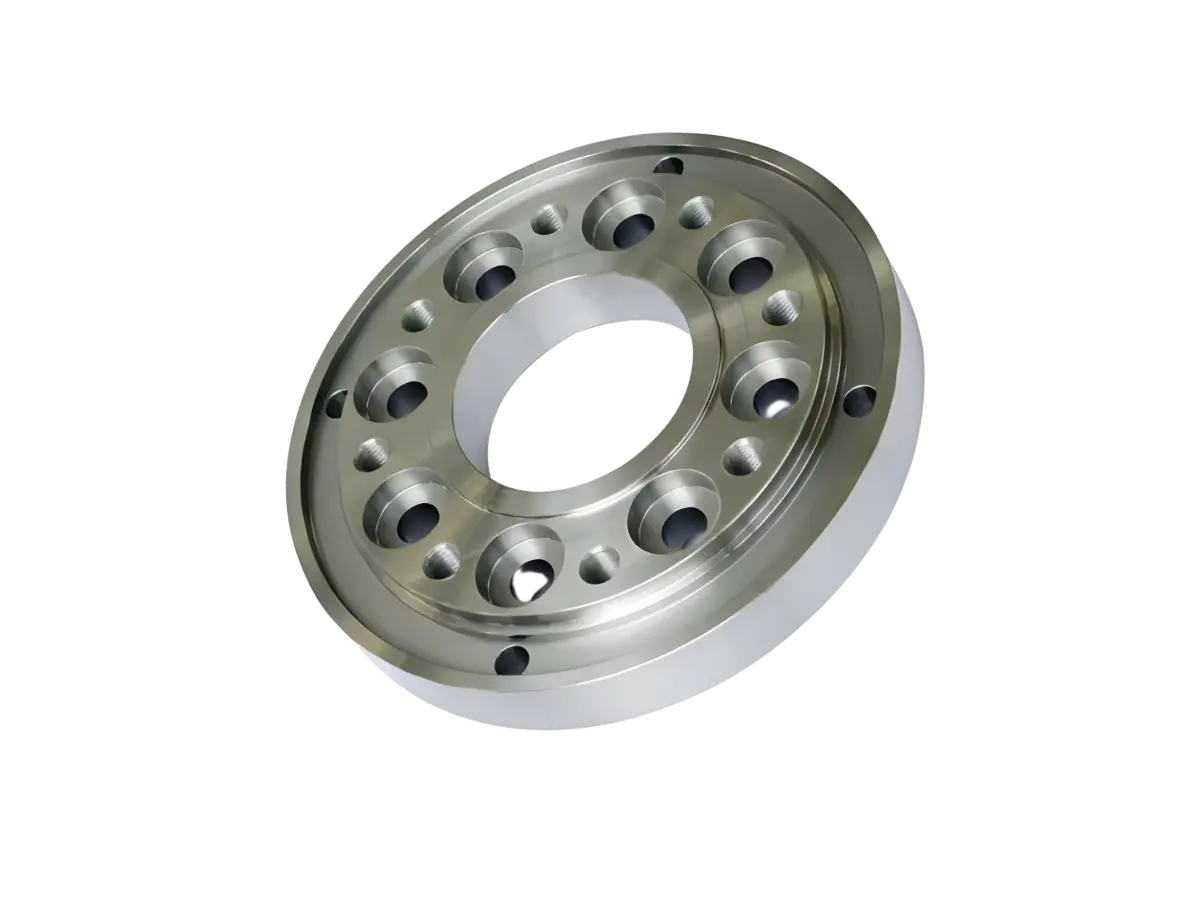
Cobalt alloys are used for their wear resistance and thermal endurance.
Common Grades: Stellite 6, Stellite 21, FSX-414, Co-Cr-Mo (ASTM F75), MAR-M 509
Applications: Aerospace, valve seats, wear-resistant liners

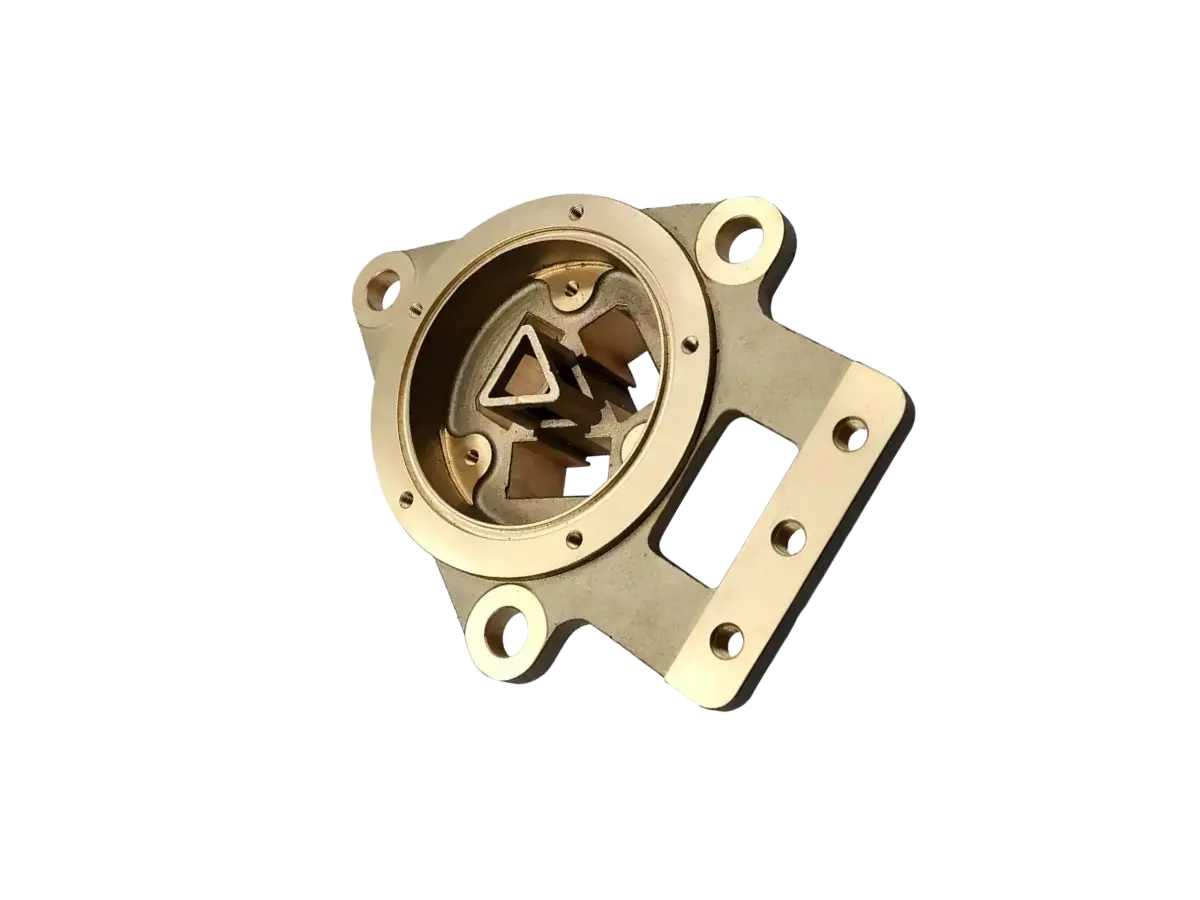
Copper-based materials, especially aluminum and silicon bronzes, offer excellent corrosion resistance and conductivity.
Common Grades:
Silicon Bronze: C87300, C87500, C87600
Aluminum Bronze: C95400, C95500, C95800
Applications: Marine hardware, architectural castings, bushings, electrical terminals
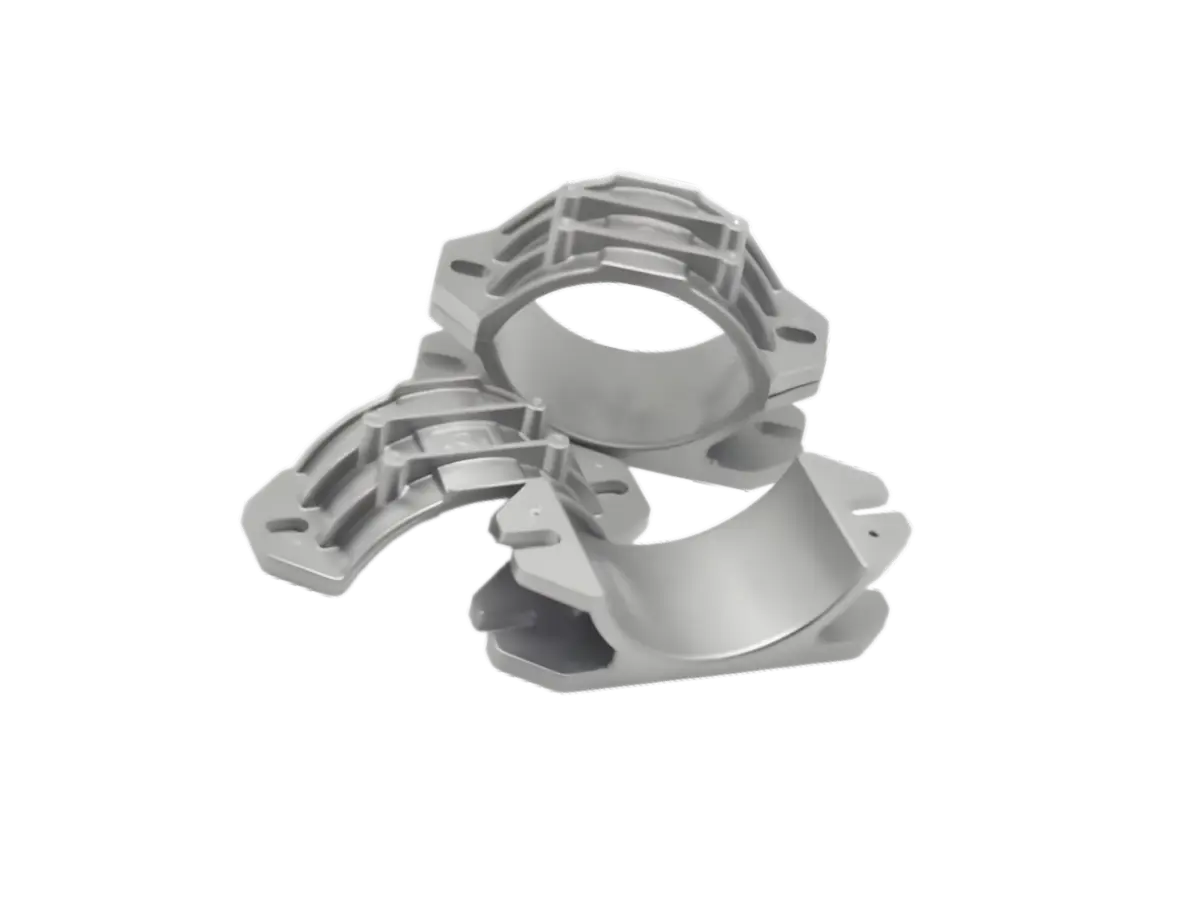
Lightweight and corrosion-resistant, aluminum is ideal for applications that require both strength and reduced weight.
Common Grades:
Al-Si alloys: A356 (A356.0), A357 (A357.0)
Al-Si-Cu alloys: 319 (319.0)
Al-Si-Mg alloys: 443 (443.0)
Al-Mg alloys: 535 (535.0)
High-strength alloys: 206 (206.0)
Applications: Aerospace brackets, electronics housings, automotive suspension components
Titanium alloys are valued for their superior strength-to-weight ratio and corrosion resistance in demanding environments.
Common Grades:
α + β alloy: Ti-6Al-4V (Grade 5), Ti-6Al-4V ELI (Grade 23)
Commercially Pure Titanium: Grade 2
High-strength titanium alloy: Ti-5Al-2.5Sn
Applications: Medical implants, aerospace parts, premium consumer electronics
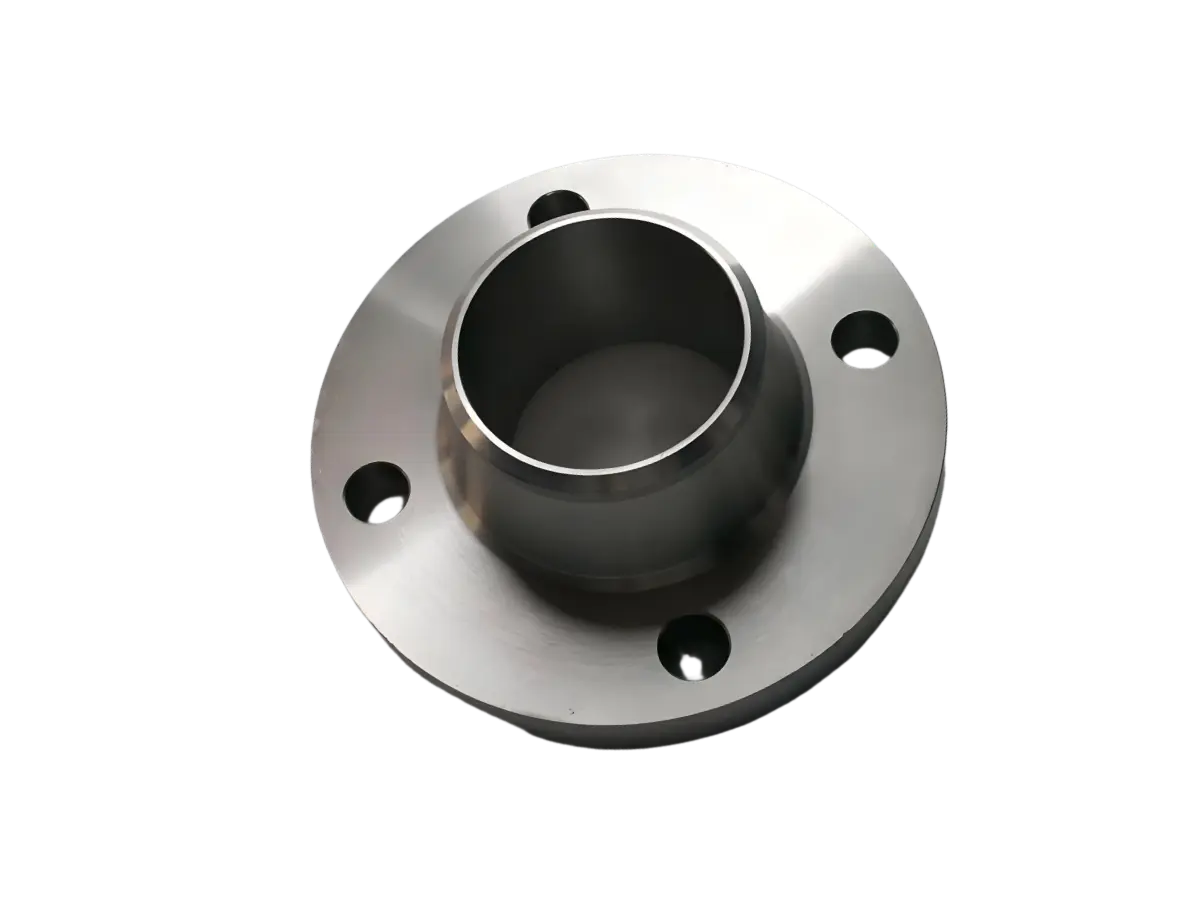
| Finishing Option | Process Description | Typical Applications / Benefits |
|---|---|---|
| Shot Blasting / Sand Blasting | Propelling abrasive media at high speed to clean, descale, or texture the casting surface. | Removes ceramic shell residue and oxidation; creates a uniform matte finish ideal for painting or further processing. |
| Polishing / Grinding | Mechanically smoothing the surface using abrasives or polishing wheels. | Achieves a smooth or mirror-like surface finish; often used for aesthetic or hygienic parts such as medical or food-grade components. |
| Anodizing(Aluminum alloys only) | Electrochemical process that forms a protective oxide layer on the surface. | Improves corrosion resistance, enhances appearance, and allows for coloring; ideal for aerospace and consumer electronics. |
| Passivation(Stainless steel) | Chemical treatment that removes free iron and forms a passive oxide layer. | Enhances corrosion resistance and preserves the metal's natural finish; commonly used in medical, food, and marine applications. |
| Electroplating (e.g., Nickel, Chrome) | Electrochemical deposition of a metal coating onto the casting surface. | Improves surface hardness, corrosion resistance, and appearance; used in automotive, industrial, and decorative applications. |
| Powder Coating / Painting | Applying a dry powder or liquid paint followed by curing to form a protective coating. | Provides both protection and customized appearance; ideal for machinery housings, brackets, and exposed industrial parts. |
| CNC Finishing / Machining | Precision machining to enhance dimensional accuracy and surface finish. | Achieves tight tolerances and smooth surfaces on critical areas; ideal for components requiring assembly or mechanical fit. |
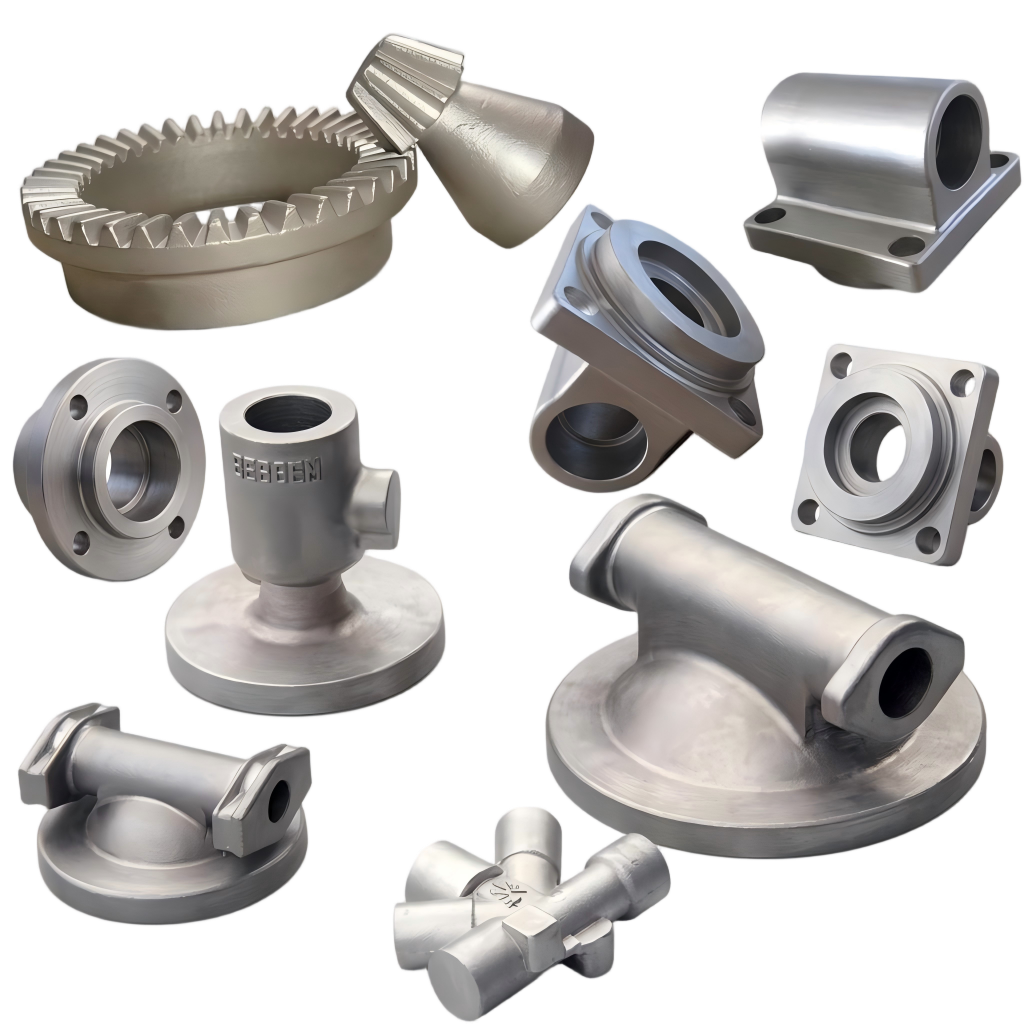
Aodson offers bespoke high-precision cast components, meticulously engineered to satisfy the intricate geometries and stringent tolerances required by contemporary industrial and commercial sectors. Our precision casting solutions are unparalleled for crafting near-net-shape metal parts, ensuring exceptional dimensional precision and superior surface finish. Common Applications Include:
Production lead times are confirmed after reviewing the drawing, material, quantity and inspection requirements.
Tolerances are reviewed for each geometry, material and process, with dimensional inspection defined according to the drawing requirements.
According to your functionality and quantity requirements, develop the optimal manufacturing process, combined with efficient self-owned factories to achieve optimal performance and cost.
From CNC machining to aluminum extrusion and heat treatment to surface finishing, from prototyping to mass production, easily and efficiently customize various parts.
ISO 9001 quality management system certification, equipped with various quality inspection instruments including Zeiss coordinate, process and results can be controlled.
Our engineers collaborate from the start — optimizing designs for manufacturability, improving strength-to-weight ratios, and reducing cost through smarter machining strategies.
RFQ PLANNING
A concise technical package helps us assess casting feasibility, tooling route, secondary machining and inspection requirements.
Send Drawing for Review