




Last updated: July 4, 2026
Author: AODSON Engineering Team
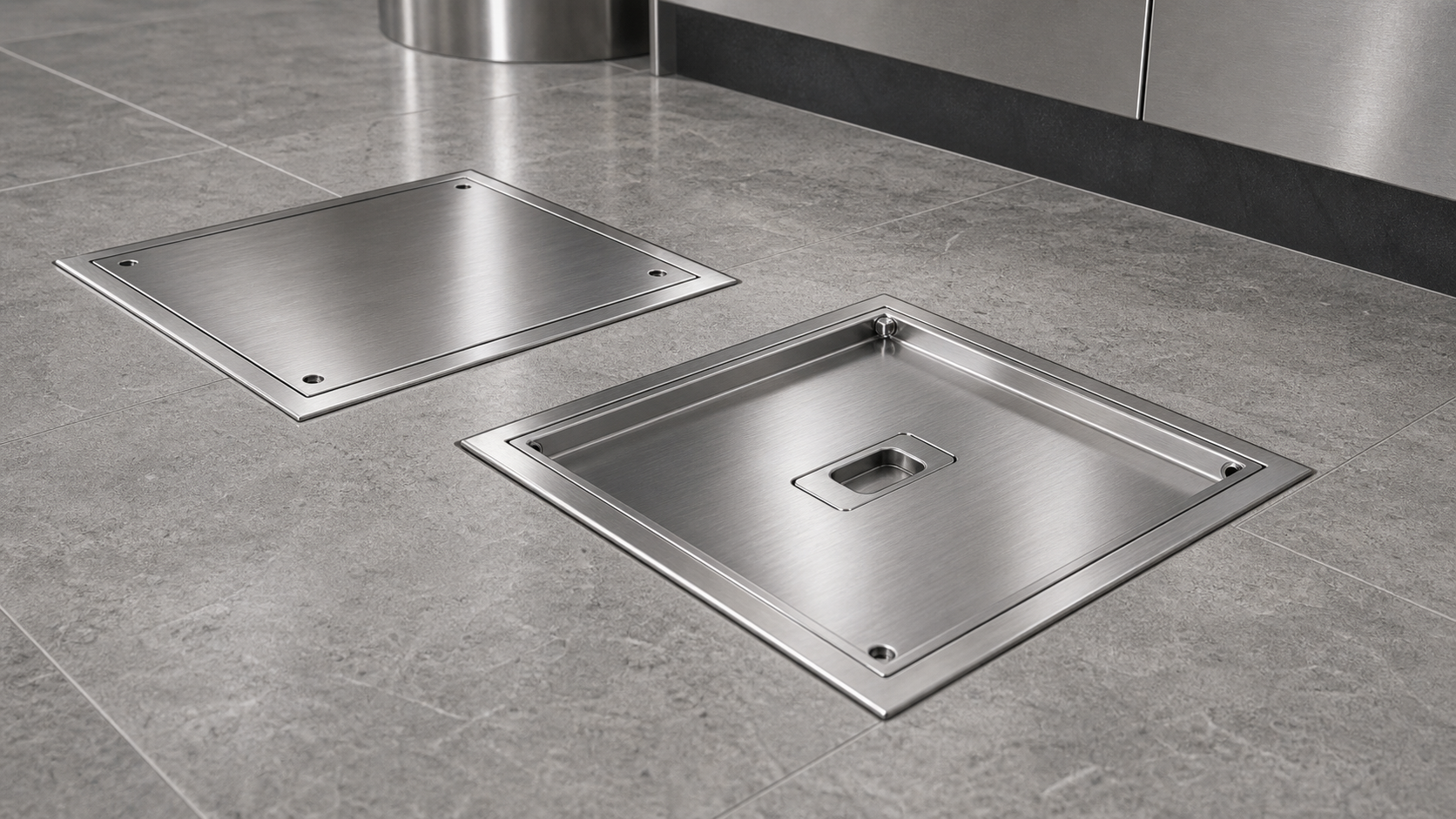
Choosing stainless steel access covers for a commercial project is not only a matter of matching size and appearance. Architects, engineers, contractors, distributors, facility managers, and OEM buyers must also evaluate load class, material grade, clear opening, slip resistance, sealing, drainage, installation method, surface finish, and quality traceability.
A well-specified access cover protects underground utilities and service points while keeping the finished floor safe and maintainable. A poorly specified cover can create water ingress, noise, rocking, corrosion, trip hazards, installation delays, or premature replacement costs. This guide explains how to select stainless steel access covers for commercial and industrial projects, and how AODSON supports OEM custom manufacturing from drawing review to export packaging.
Table of Contents
- What Is a Stainless Steel Access Cover?
- Types of Access Covers
- Key Selection Factors
- Material Selection
- Manufacturing Process
- Surface Finish Options
- Commercial Applications
- Installation Considerations
- Quality Control and Traceability
- OEM Custom Manufacturing with AODSON
- Frequently Asked Questions
What Is a Stainless Steel Access Cover?
A stainless steel access cover is a removable or openable cover installed over a floor, wall, utility chamber, service duct, inspection point, drainage connection, or equipment access zone. It allows maintenance teams to reach concealed systems while keeping the surrounding area safe, clean, and visually integrated.
In commercial and industrial projects, stainless steel access covers are commonly used in shopping malls, hotels, hospitals, airports, food processing plants, public buildings, clean utility rooms, production areas, and infrastructure facilities. Compared with painted steel or plastic covers, stainless steel offers stronger corrosion resistance, better hygiene, higher finish quality, and longer service life when correctly specified.
Types of Access Covers
| Type | Best For | Key Advantages | Specification Notes |
|---|---|---|---|
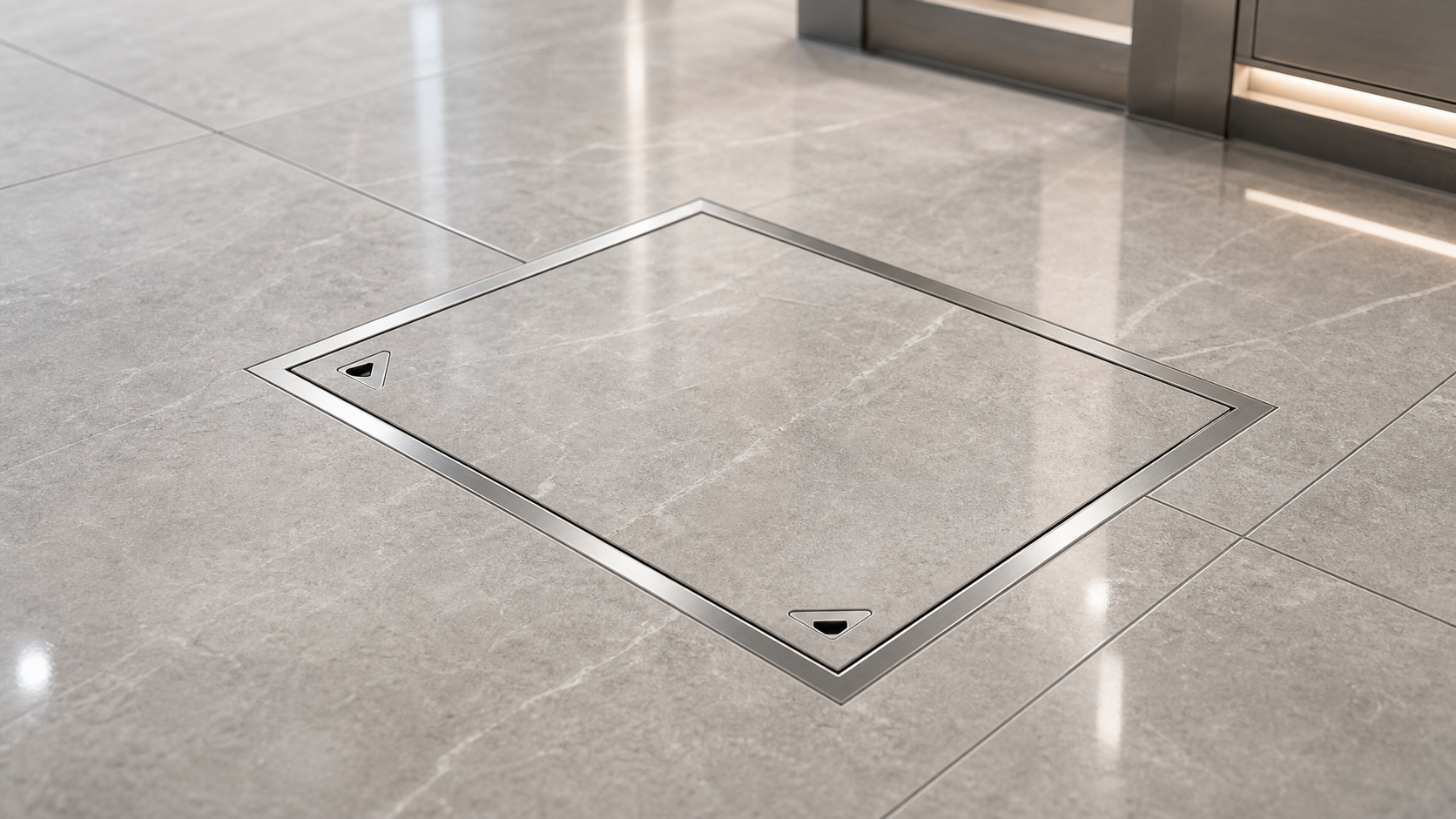
| Recessed access covers | Stone, tile, terrazzo, and architectural floors | Allows floor finish infill and discreet appearance | Confirm infill depth, tray stiffness, and lifting method |
| Solid top covers | Utility rooms, service corridors, industrial floors | Simple, durable, easy to clean | Surface finish and slip resistance must match traffic conditions |
| Tile infill covers | Hotels, malls, airports, premium interiors | Blends into finished floor design | Coordinate tile thickness, adhesive bed, and final floor height |
| Gas-tight covers | Utility chambers, drainage inspection points, odor-control areas | Improves sealing against odor, gas, and water splash | Gasket material, bolt pattern, and frame flatness are critical |
| Heavy-duty covers | Industrial plants, loading zones, technical rooms | Higher load capacity and better deformation resistance | Requires engineering review of load, support, and anchoring |
Key Selection Factors
Load Class
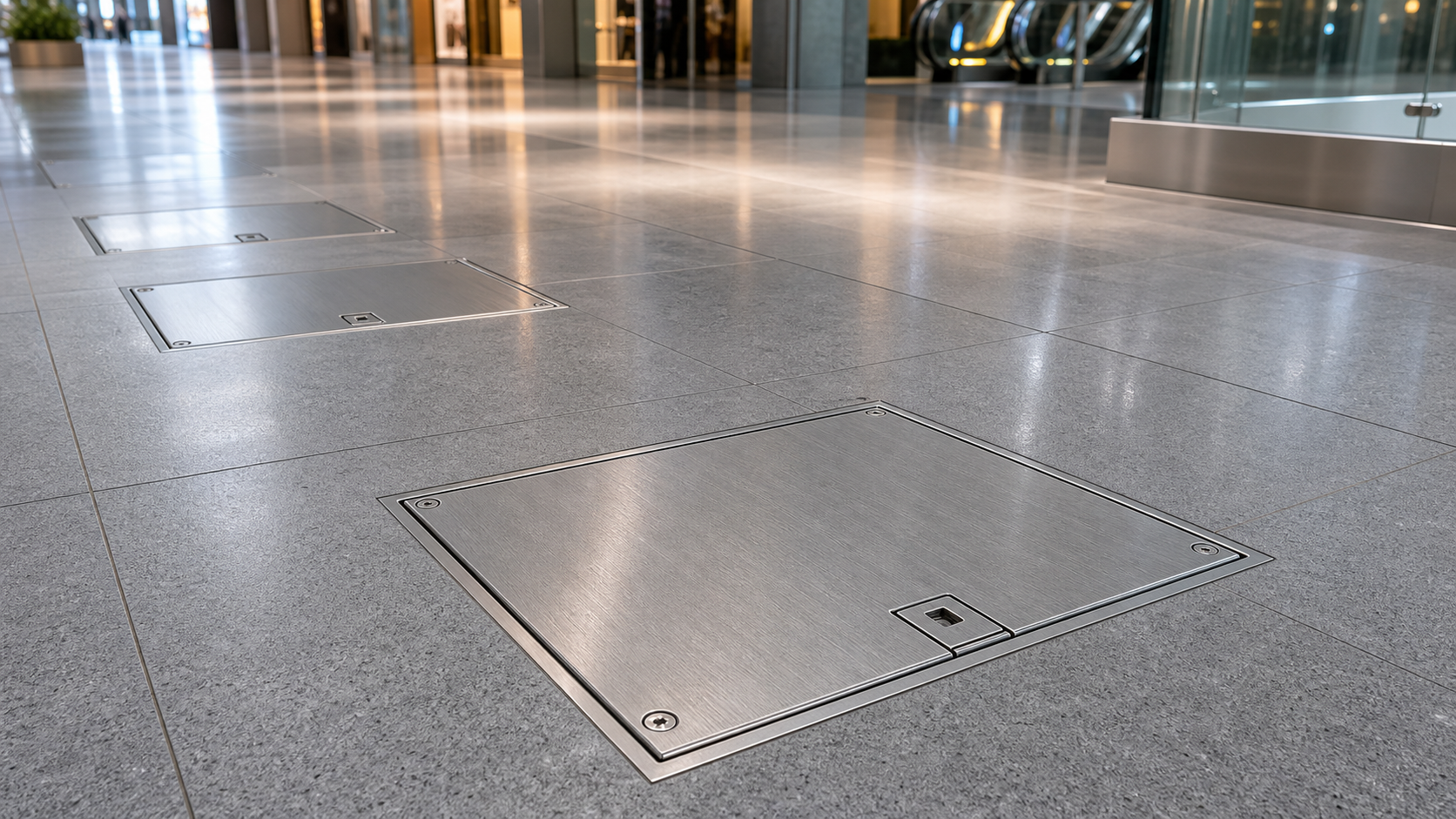
Load class should be selected according to real traffic, not only the room name. A lobby may experience pedestrian traffic and cleaning machines, while a back-of-house corridor may see pallet trucks, carts, or equipment movement. The cover plate thickness, frame structure, reinforcement ribs, support spacing, and anchoring method all affect load performance.
Size and Clear Opening
The outside frame size is not the same as the usable clear opening. Maintenance teams need enough opening space to reach valves, cables, drains, pumps, sensors, cleanouts, or inspection points. Confirm both the cover size and the clear opening before production.
Slip Resistance
Access covers installed in wet areas, kitchens, hospitals, airports, or industrial floors may require anti-slip textures, patterned surfaces, perforation control, or surface treatments. Smooth polished stainless steel may look premium but may not be suitable for every traffic condition.
Drainage and Sealing
Some access covers must prevent water, odor, dust, or gas movement. Others must allow drainage or avoid trapping moisture under the cover. Gaskets, bolt-down designs, drain holes, raised edges, and frame flatness should be specified according to the service environment.
| Project Condition | Recommended Focus | Common Solution |
|---|---|---|
| Pedestrian-only interior floors | Flushness, appearance, easy lifting | Recessed or tile infill stainless steel access cover |
| Wet or wash-down areas | Slip resistance, corrosion resistance, sealing | 316 stainless steel, brushed finish, gasket or drainage detail |
| Utility rooms | Durability, frequent access, simple cleaning | Solid top cover with reinforced frame |
| Public high-traffic areas | Trip safety, frame stability, noise control | Precision frame, tight fit, anti-rattle support |
| Industrial movement areas | Load capacity, deformation control, anchoring | Heavy-duty cover with thicker plate and reinforcement |
Material Selection
Material grade has a direct effect on corrosion resistance, weldability, cost, and long-term appearance. Stainless steel access covers are often made from 304 or 316 stainless steel, while duplex stainless steel may be considered for demanding industrial or chloride-rich environments.
| Material | Typical Use | Strengths | Limitations |
|---|---|---|---|
| 304 stainless steel | General commercial interiors, dry utility spaces, moderate cleaning exposure | Cost-effective, widely available, easy to fabricate, good corrosion resistance | Less suitable for chloride-rich or aggressive chemical environments |
| 316 stainless steel | Hospitals, food processing, wet areas, coastal projects, high-cleaning environments | Better pitting resistance due to molybdenum content | Higher material cost than 304 |
| Duplex stainless steel | Demanding industrial projects and severe exposure conditions | High strength and strong chloride stress corrosion resistance | Requires careful welding control and project-specific sourcing |
Manufacturing Process
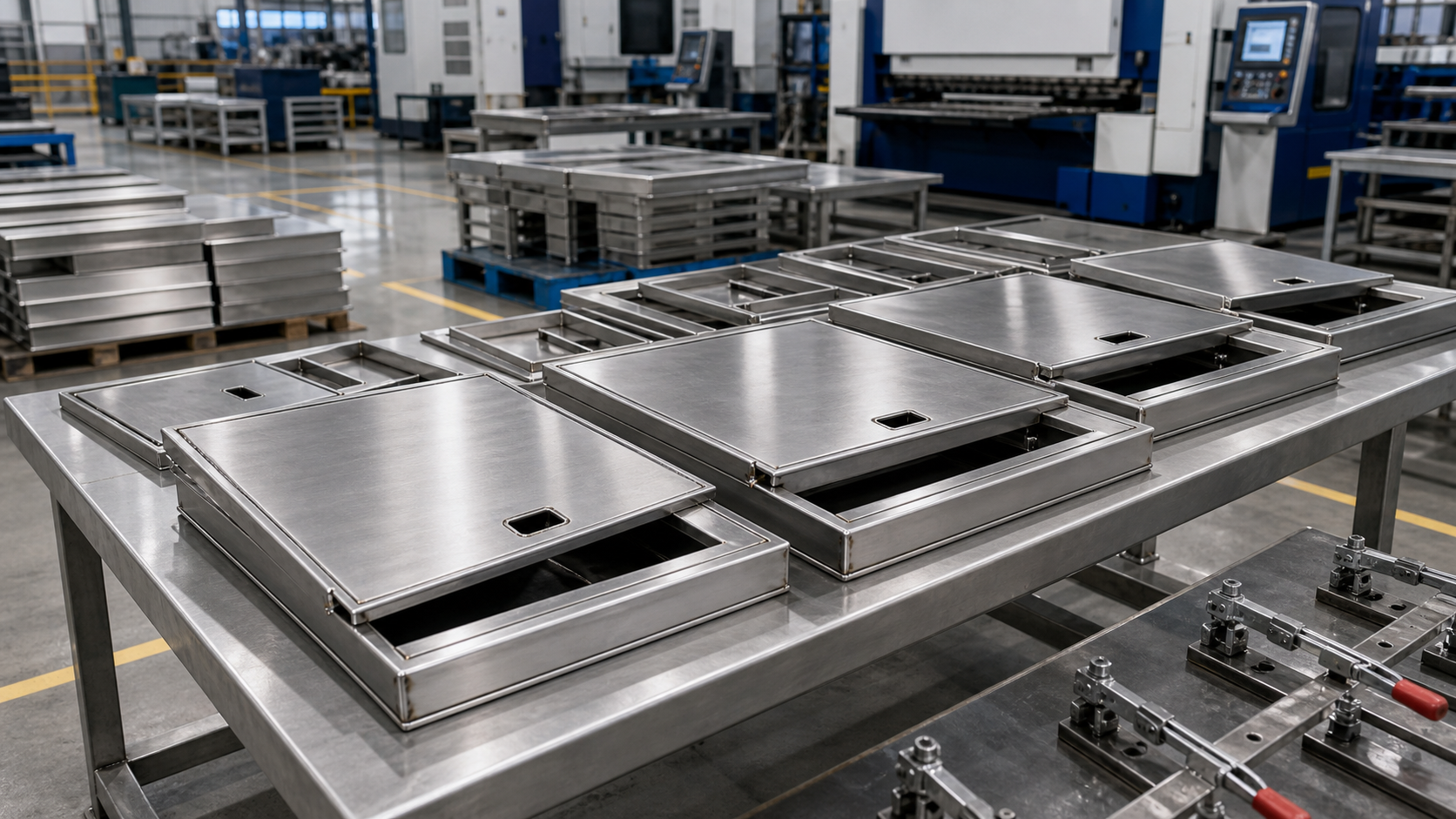
Reliable stainless steel access covers depend on controlled manufacturing. AODSON supports custom access cover production through laser cutting, sheet metal fabrication, TIG welding, CNC machining, surface finishing, inspection, and export packaging.
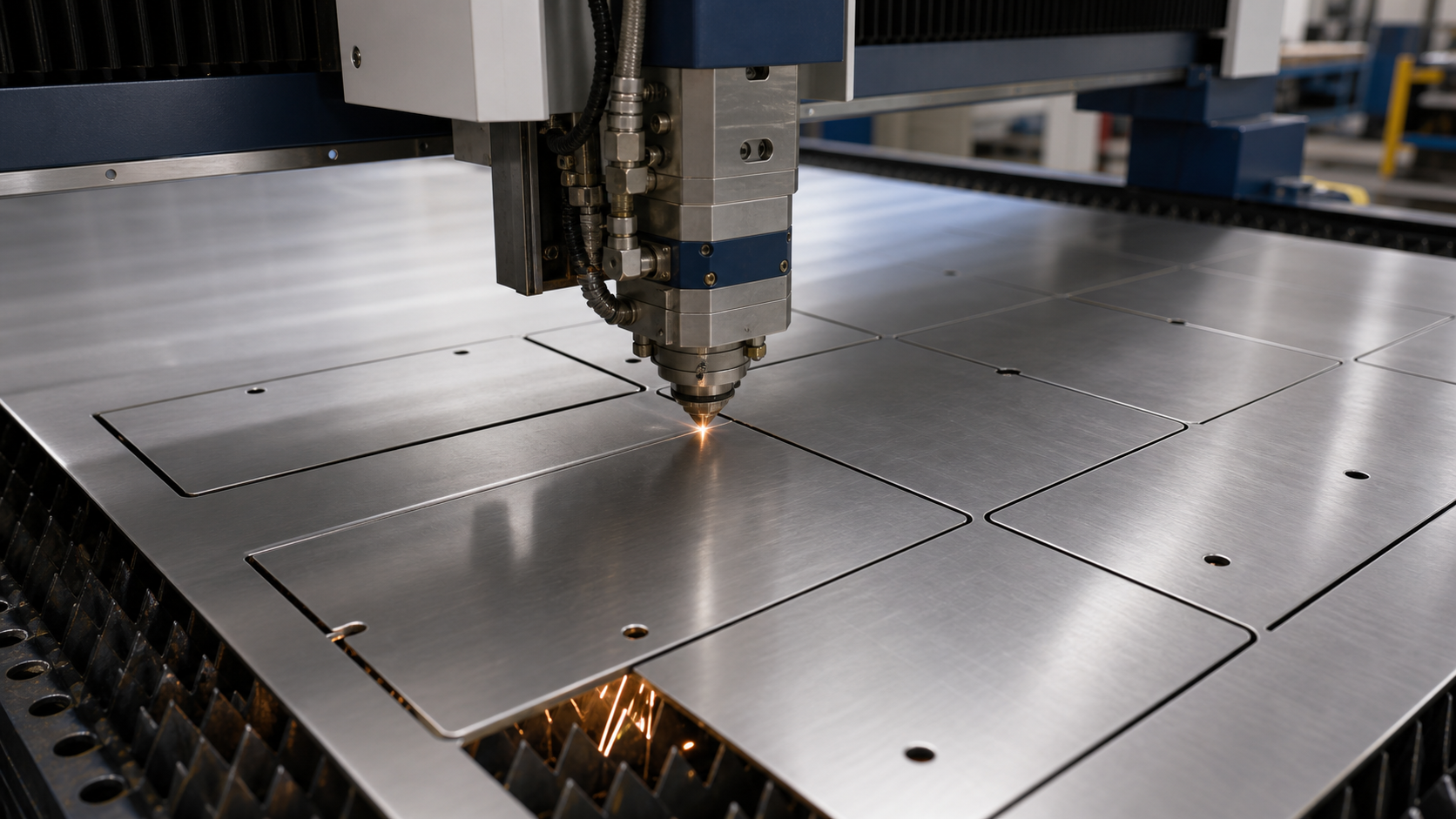
Laser Cutting
Laser cutting is used to create accurate panel outlines, tray profiles, lifting holes, slots, and frame components. Clean cutting reduces downstream grinding and helps keep finished dimensions consistent.
Sheet Metal Fabrication
Sheet metal fabrication includes bending, forming, deburring, and assembly preparation. For recessed covers and tile infill covers, tray depth and edge geometry must be accurate so the finished floor height is correct.
TIG Welding
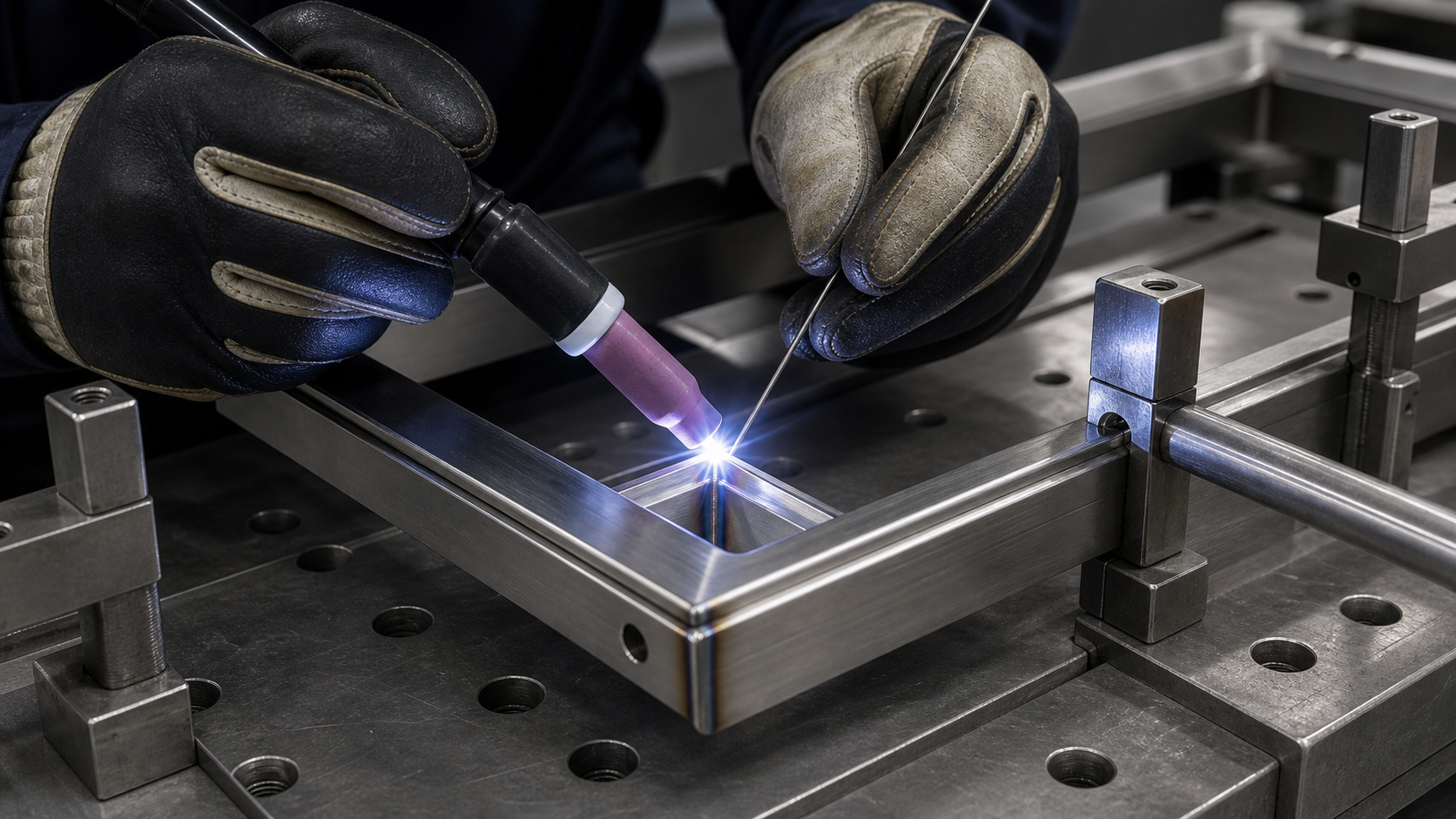
TIG welding is commonly used for stainless steel frames, reinforcement ribs, trays, hinge parts, and sealing structures. Welding quality affects strength, flatness, corrosion resistance, and appearance. Heat tint should be controlled and removed when required for hygiene or corrosion performance.
CNC Machining
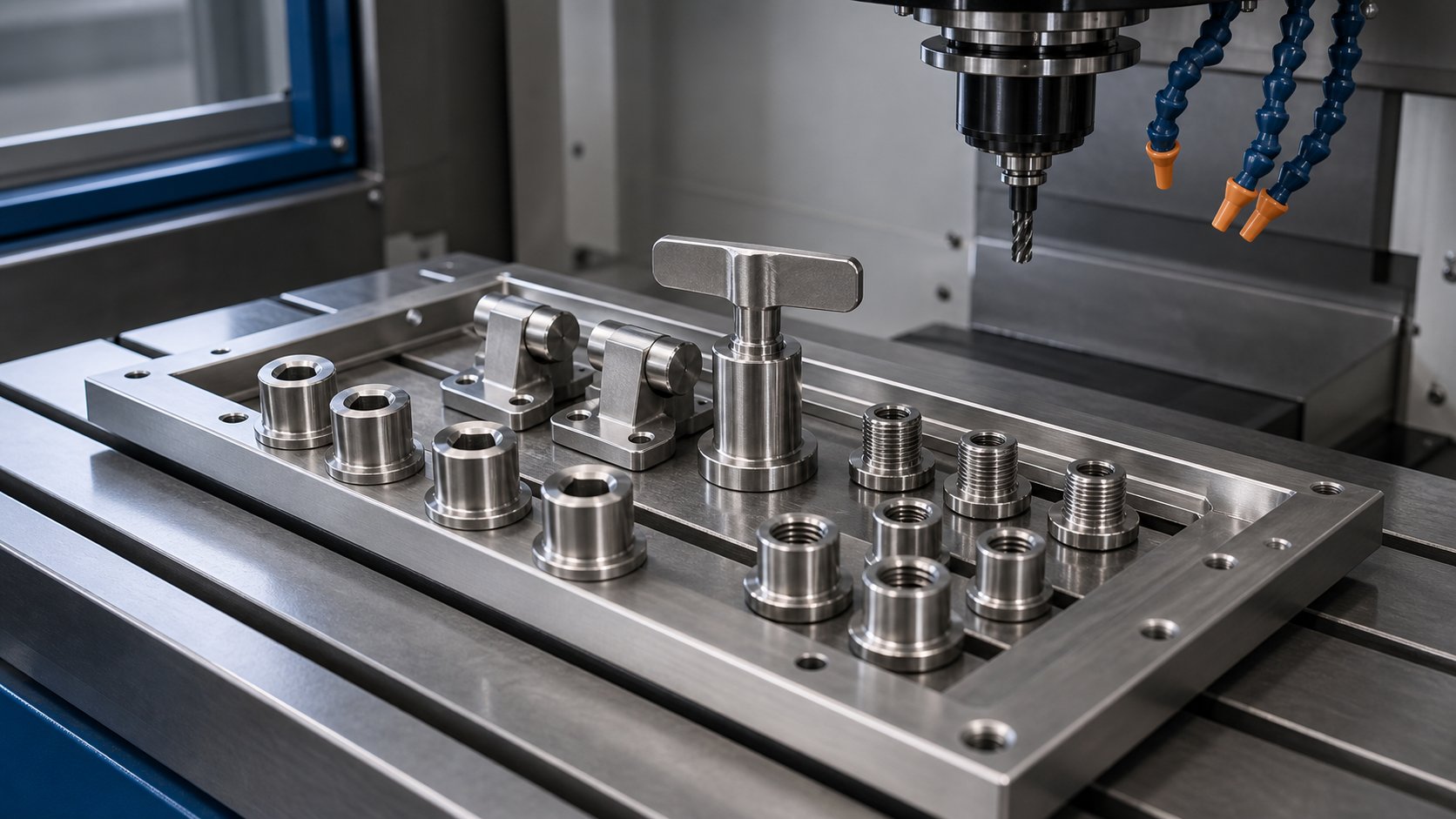
CNC machining is useful for lifting key sockets, threaded inserts, hinge parts, fastener details, and precision hardware. For some custom components, precision investment casting can also be used before machining to create strong, complex stainless steel parts.
Surface Finishing
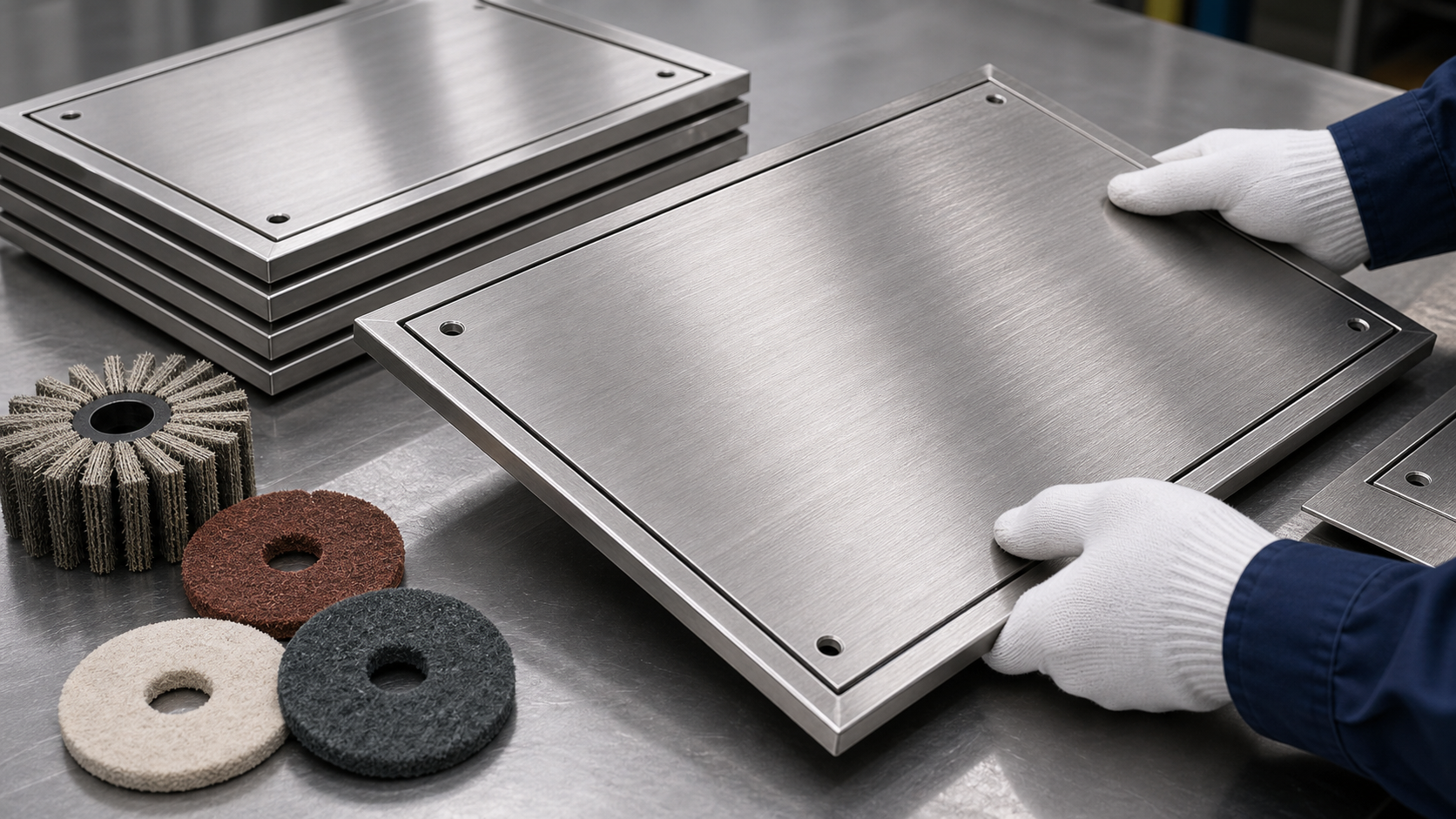
Surface finishing may include brushing, polishing, bead blasting, passivation, pickling, and cleaning. The correct finish depends on appearance requirements, traffic conditions, cleaning chemicals, and whether the product is used in hygienic or public environments.
Surface Finish Options
| Finish | Appearance | Advantages | Common Use |
|---|---|---|---|
| Brushed satin | Directional grain, low glare | Premium appearance and better scratch hiding | Hotels, malls, public interiors |
| Polished | Bright reflective surface | Decorative and easy visual inspection | Visible architectural covers |
| Bead blasted | Uniform matte texture | Soft modern appearance and reduced reflection | Commercial buildings and utility areas |
| Anti-slip patterned | Raised or textured surface | Improves traction in wet or high-traffic areas | Kitchens, industrial floors, service corridors |
| Pickled and passivated | Clean industrial finish | Improves corrosion resistance after welding | Food processing, hospitals, industrial facilities |
Commercial Applications
| Application | Design Priorities | Common Specification Choices |
|---|---|---|
| Shopping malls | Flush appearance, pedestrian safety, easy maintenance | Tile infill or recessed covers with brushed stainless frame |
| Hotels | Premium finish, quiet fit, concealed access | Tile infill covers, satin finish, precise frame alignment |
| Hospitals | Hygiene, corrosion resistance, cleaning compatibility | 316 stainless steel, smooth surfaces, sealed designs where needed |
| Airports | High traffic, cleaning machines, long service life | Load-rated covers, anti-rattle fit, durable surface finish |
| Food processing | Wash-down resistance, hygiene, drainage coordination | 316 stainless steel, passivated welds, gasket or drainage detail |
| Industrial facilities | Heavy load, utility access, deformation control | Reinforced covers, thicker plate, engineered anchoring |
Installation Considerations
Installation planning should begin before production. Frame height, floor build-up, tile thickness, clear opening, chamber dimensions, waterproofing, gasket compression, and lifting clearance all need coordination. Long-term performance depends on both manufacturing quality and site execution.
- Confirm finished floor level and access cover frame height before ordering.
- Check tile or stone thickness for recessed and tile infill covers.
- Use proper support under the frame to prevent rocking or edge deformation.
- Protect the cover during construction to avoid cement, grout, or abrasive damage.
- Confirm lifting tools, opening direction, and maintenance clearance.
- For sealed covers, inspect gasket compression and bolt tightening sequence.
Quality Control and Material Traceability
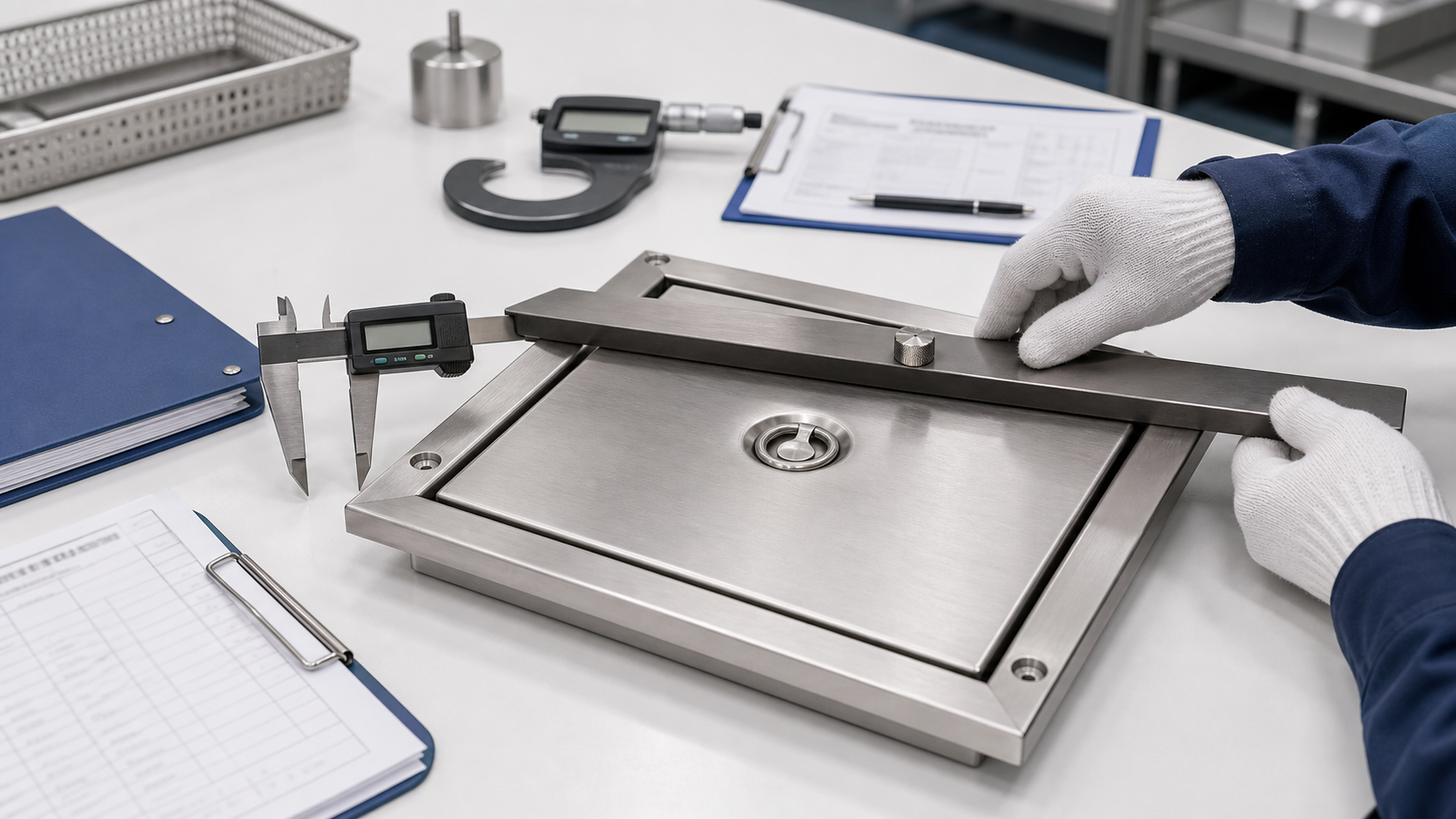
For distributors and OEM buyers, inspection requirements should be defined before mass production. AODSON can support quality control through material review, dimensional checks, flatness inspection, weld review, surface finish checks, trial assembly, and packaging inspection.
| Inspection Item | What to Check | Why It Matters |
|---|---|---|
| Material grade | 304, 316, or duplex certificate and batch traceability | Prevents early corrosion and specification disputes |
| Dimensions | Frame size, clear opening, tray depth, plate thickness | Ensures installation compatibility |
| Flatness and fit | Cover rocking, frame squareness, panel clearance | Improves safety, noise control, and appearance |
| Welding | Weld bead, distortion, heat tint, sealing areas | Protects strength, corrosion resistance, and visual quality |
| Surface finish | Grain direction, scratches, burrs, passivation | Improves appearance, cleanability, and user safety |
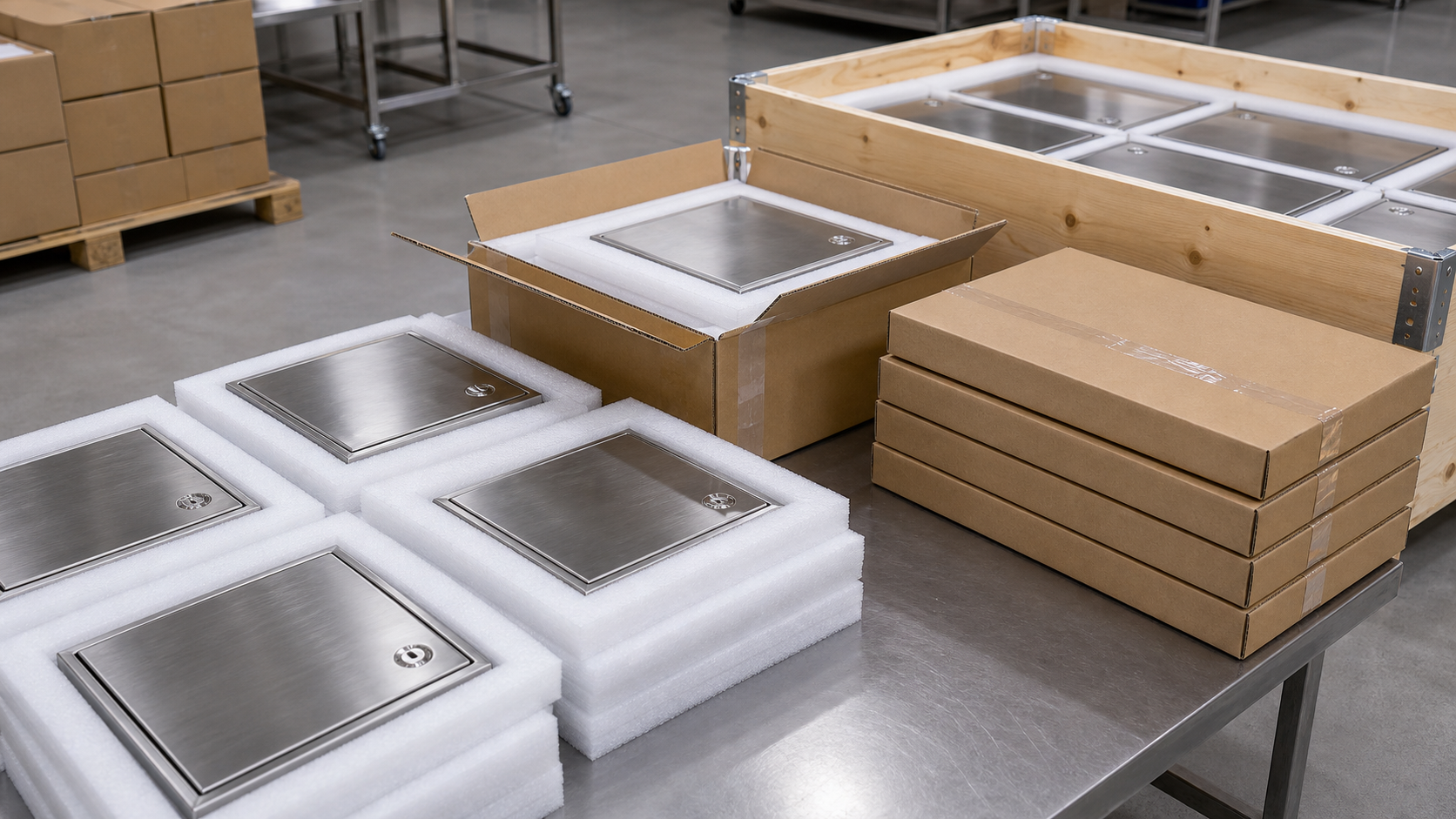
| Packaging | Foam protection, carton strength, crate support, labeling | Prevents transit damage and installation delays |
OEM Custom Manufacturing with AODSON
AODSON manufactures custom stainless steel components for commercial, architectural, and industrial projects. For stainless steel access covers, we can support OEM customers from drawing review and material selection to laser cutting, sheet metal fabrication, TIG welding, CNC machining, surface finishing, inspection, and export packing.
- Custom stainless steel access covers for commercial and industrial projects.
- Manufacturing support for architectural hardware, service access products, and stainless steel fabricated parts.
- Material options including 304, 316, and project-specific stainless steel grades.
- Process support including laser cutting, fabrication, welding, polishing, machining, and casting-related hardware.
- Quality documentation and inspection for repeat OEM production.
- Export packaging and communication for distributors, contractors, and branded product programs.
Frequently Asked Questions
What is the difference between a recessed access cover and a tile infill access cover?
A recessed access cover has a tray that can accept floor finish material. A tile infill access cover is a common type of recessed cover designed specifically to hold tile or stone so the cover blends into the surrounding floor.
Is 304 stainless steel suitable for commercial access covers?
304 stainless steel is suitable for many indoor commercial areas with moderate corrosion exposure. For wet, coastal, hospital, or food processing environments, 316 stainless steel is often the better choice.
When should I choose a gas-tight access cover?
Choose a gas-tight access cover when odor, gas, water splash, or dust control is required. Gasket quality, frame flatness, bolt spacing, and correct installation are essential for sealing performance.
How do I select the right load class?
Start with the actual traffic condition: pedestrians, carts, cleaning machines, pallet trucks, or heavier equipment. The cover thickness, reinforcement, frame support, and anchoring should be reviewed together.
Can stainless steel access covers be customized?
Yes. Size, clear opening, tray depth, material grade, finish, lifting method, hinge design, gasket, bolt pattern, and packaging can be customized for OEM and project requirements.
What surface finish is best for public commercial floors?
Brushed satin stainless steel is common because it looks professional and hides light scratches better than mirror polishing. Wet or high-traffic floors may also need anti-slip surface design.
Why does frame flatness matter?
Frame flatness affects whether the cover sits flush, avoids rocking, reduces noise, and maintains a safe walking surface. Poor flatness can create trip hazards and maintenance complaints.
Do access covers need material certificates?
For commercial, industrial, hospital, food, or export projects, material certificates are strongly recommended. They help verify stainless steel grade and support traceability across production batches.
Can AODSON manufacture from customer drawings?
Yes. AODSON can review drawings, recommend manufacturable details, confirm material and finish options, and produce stainless steel access covers for OEM customers and project buyers.
What information should I send for a quotation?
Please send drawings or sketches, outside dimensions, clear opening, load requirement, material grade, surface finish, sealing requirement, quantity, packaging expectations, and project environment. You can start through the request a quote page or contact AODSON directly.
Conclusion
Stainless steel access covers are small compared with the overall building, but they have a large effect on safety, maintenance, hygiene, and long-term project quality. The right specification should balance load class, material grade, clear opening, sealing, slip resistance, finish, installation detail, and quality documentation.
For OEM buyers, distributors, contractors, and commercial project teams, AODSON can help turn stainless steel access cover requirements into manufacturable, inspected, and export-ready products.