Local Service, Global Capabilities.
Local Service, Global Capabilities.
Guides to stainless steel architectural hardware, materials, finishes, installation and OEM manufacturing.
2026-08-17
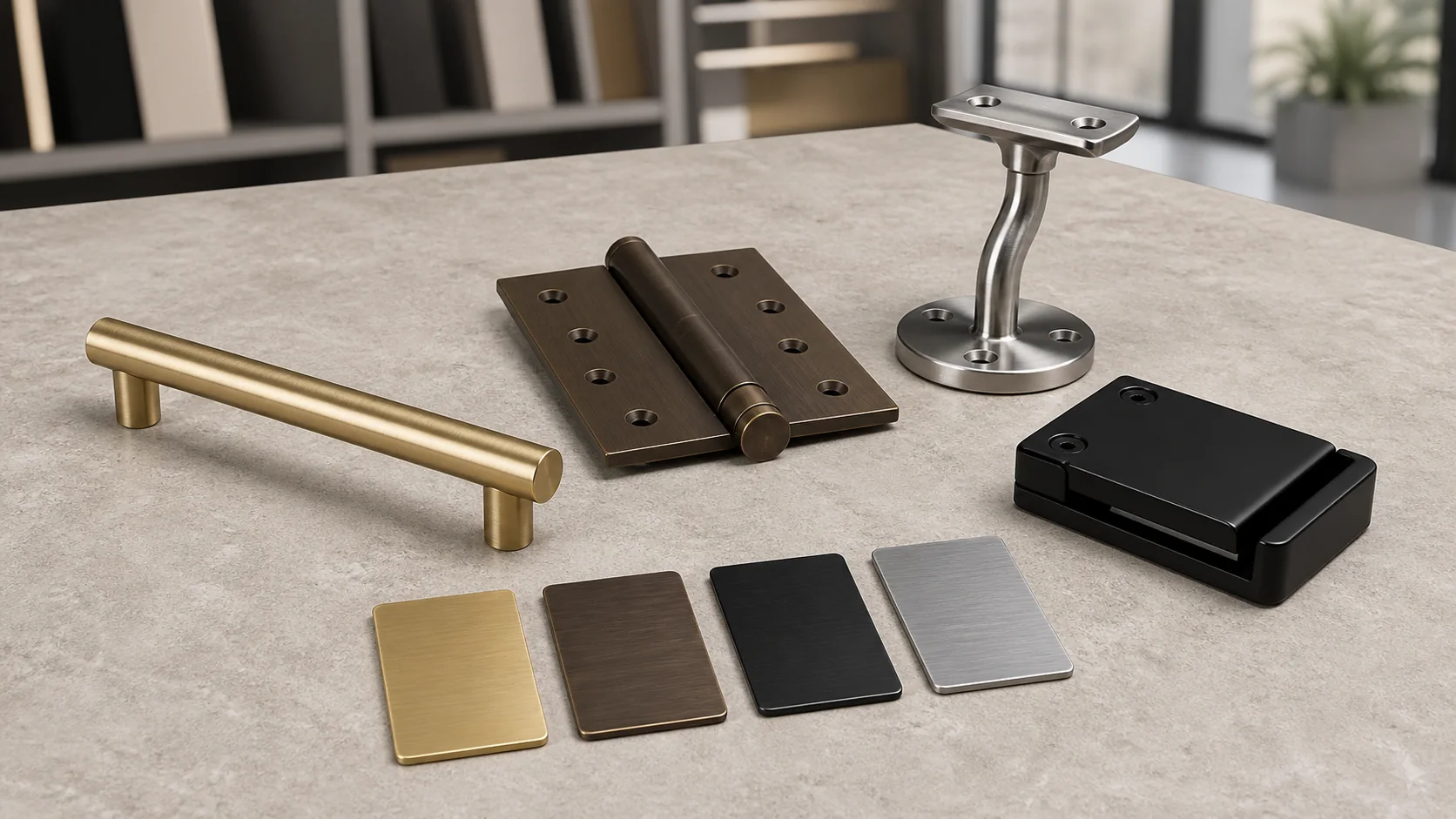
A buyer and designer guide to PVD colors, stainless steel substrates, surface preparation, wear limits, quality checks and RFQ requirements.
2026-08-17
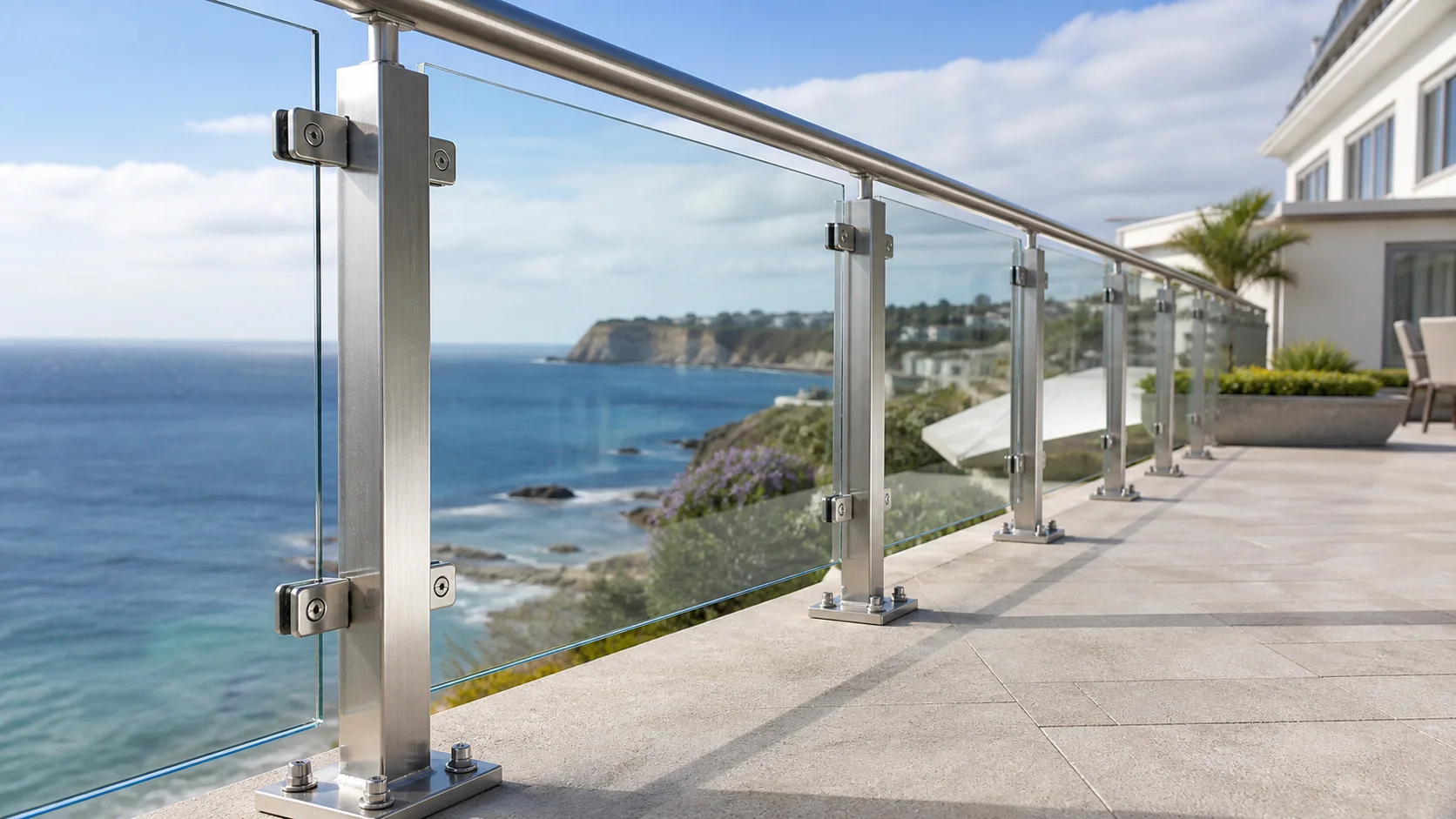
A practical specification guide to preventing tea staining on stainless steel railings, glass fittings and architectural hardware in coastal environments.
2026-08-14
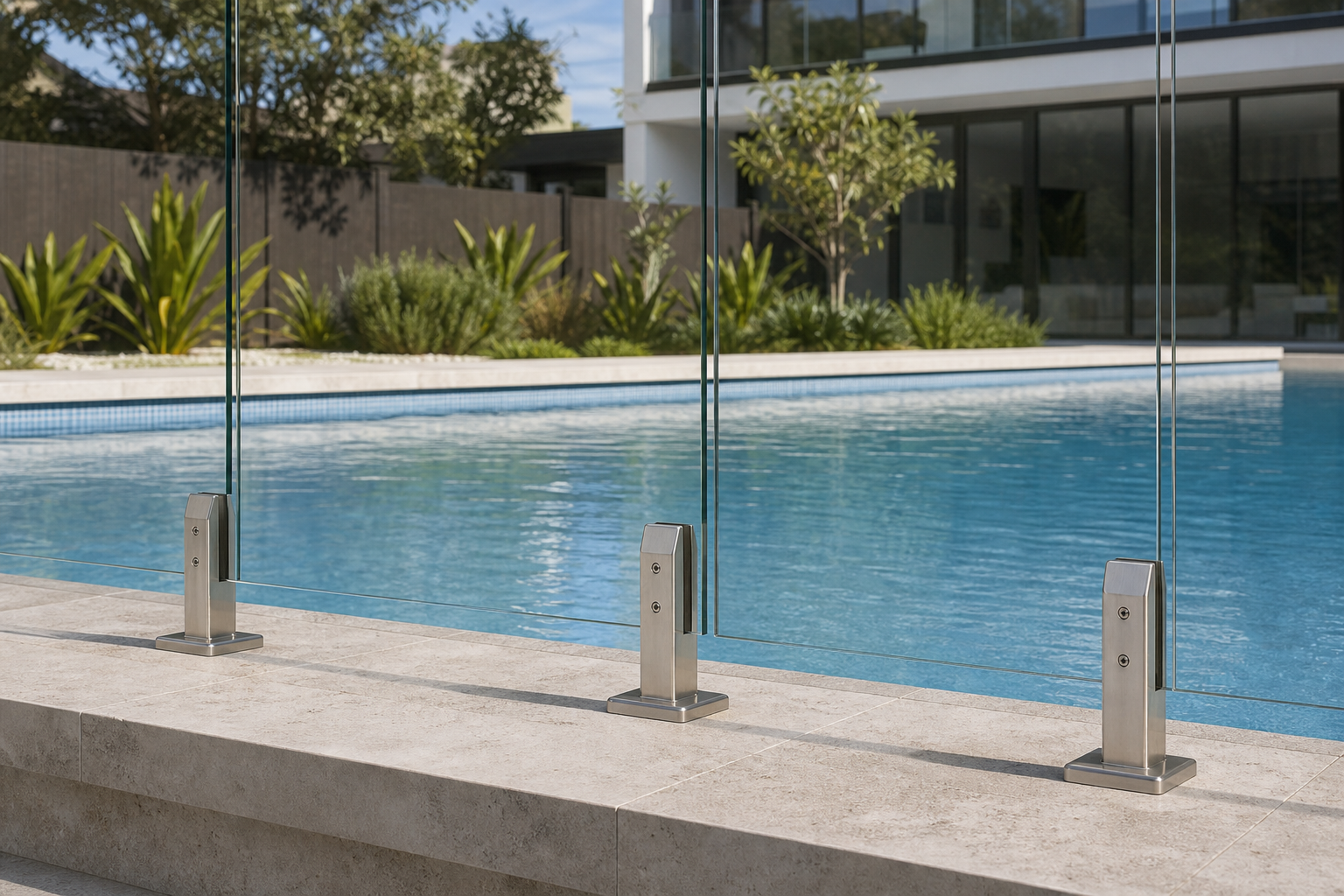
A practical buyer guide to glass thickness, mounting, 316 stainless steel, finishes, drainage, inspection and RFQ details for pool-fence glass spigots.
2026-08-13
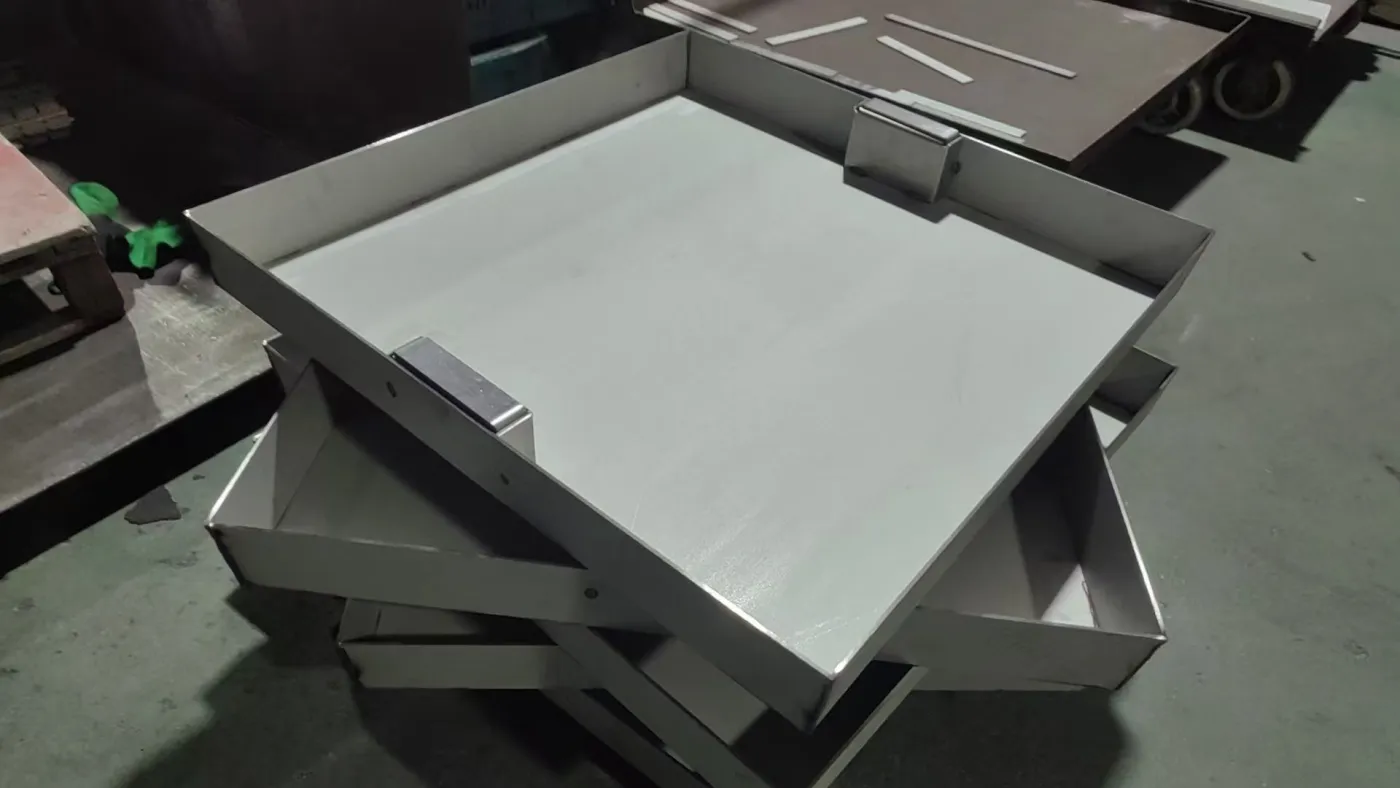
Learn how to specify multi-leaf stainless steel access covers for large utility openings, including leaf layout, removable beams, loads, sealing and installation details.
2026-08-13
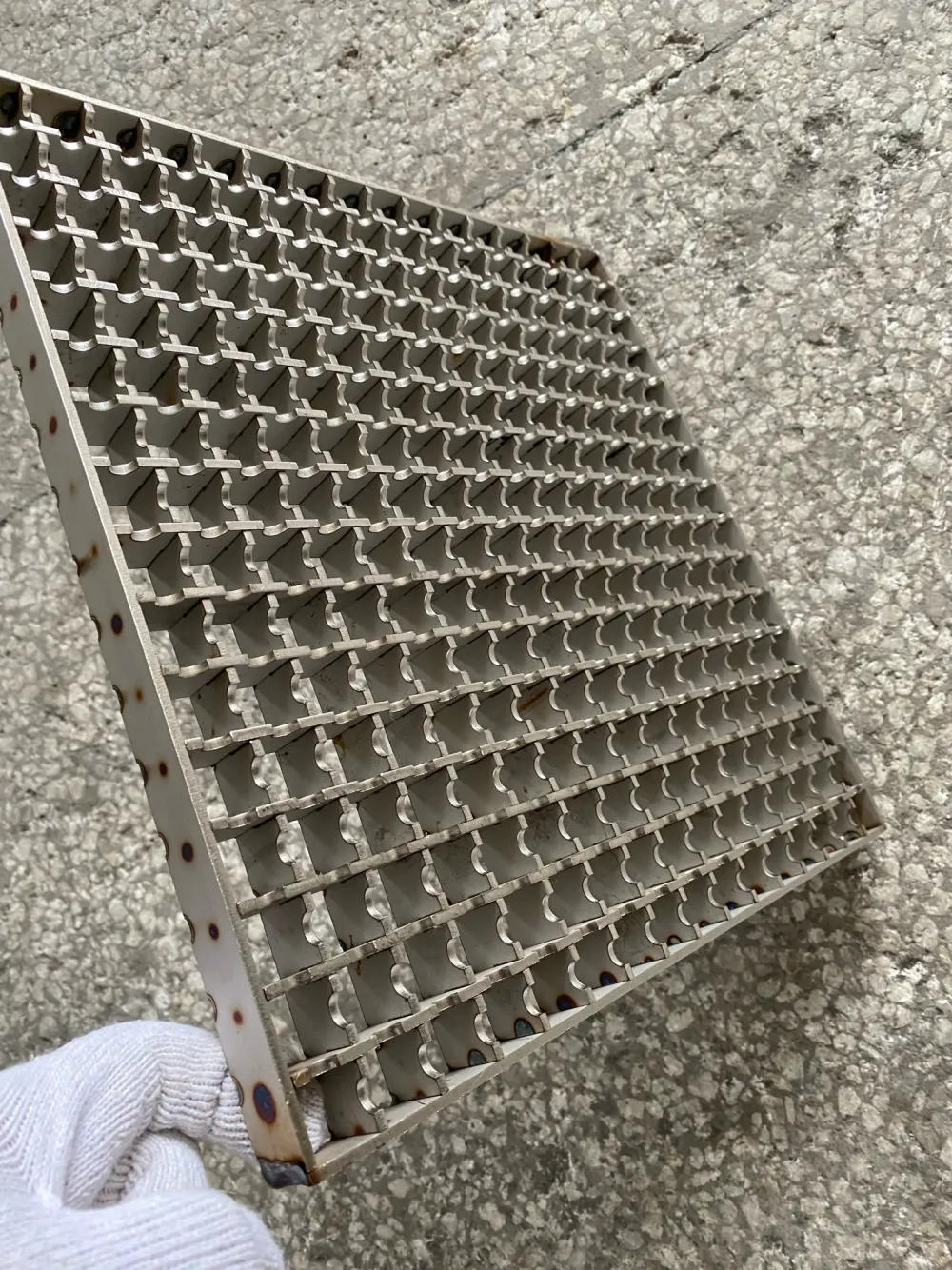
A practical specification guide to heel-proof stainless steel drain grates, covering slot width, orientation, open area, support span, load, material and maintenance.
2026-07-04
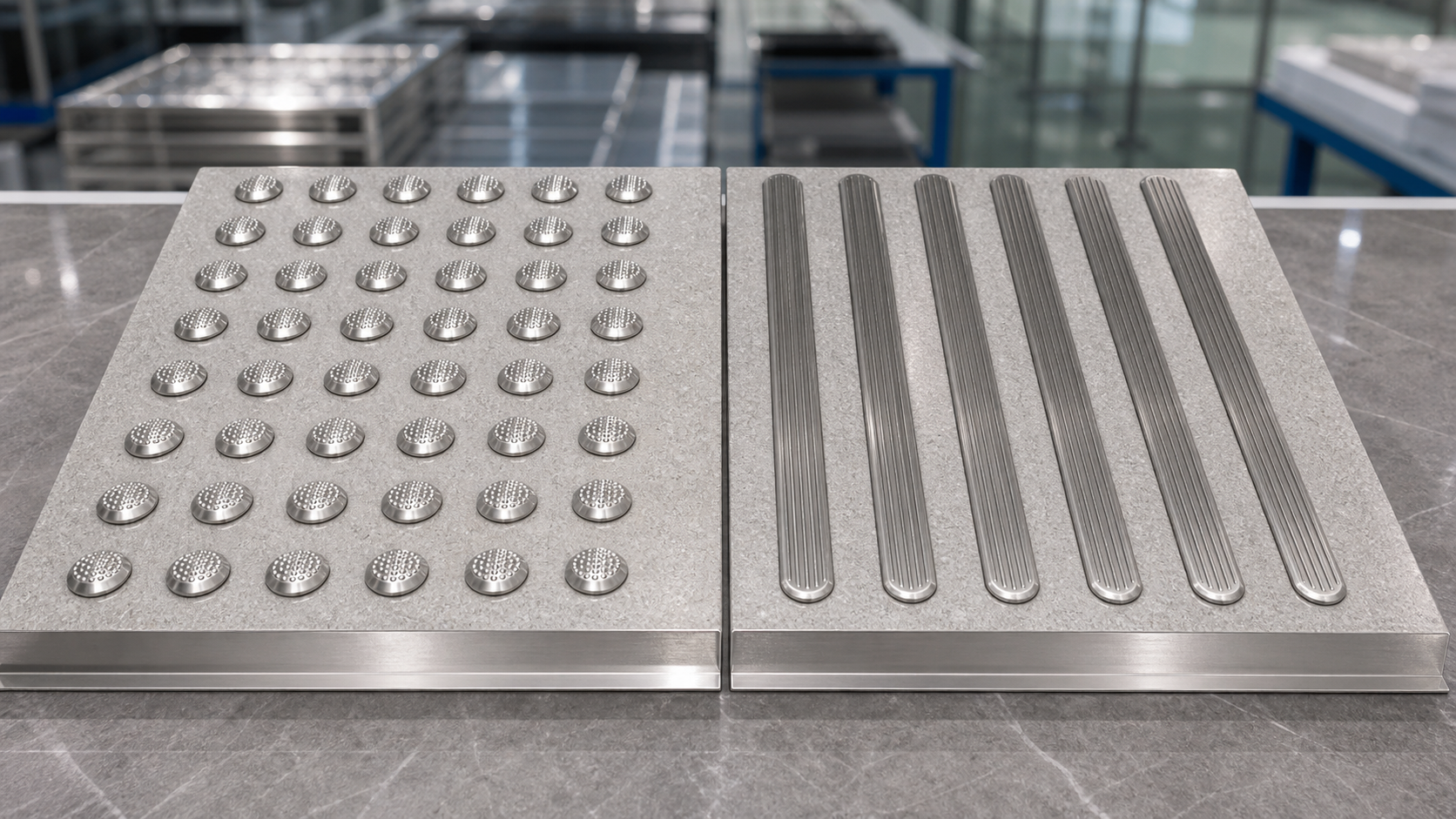
Compare tactile studs vs tactile strips for accessibility projects, including materials, installation, performance, applications, and OEM buying tips.
2026-07-04
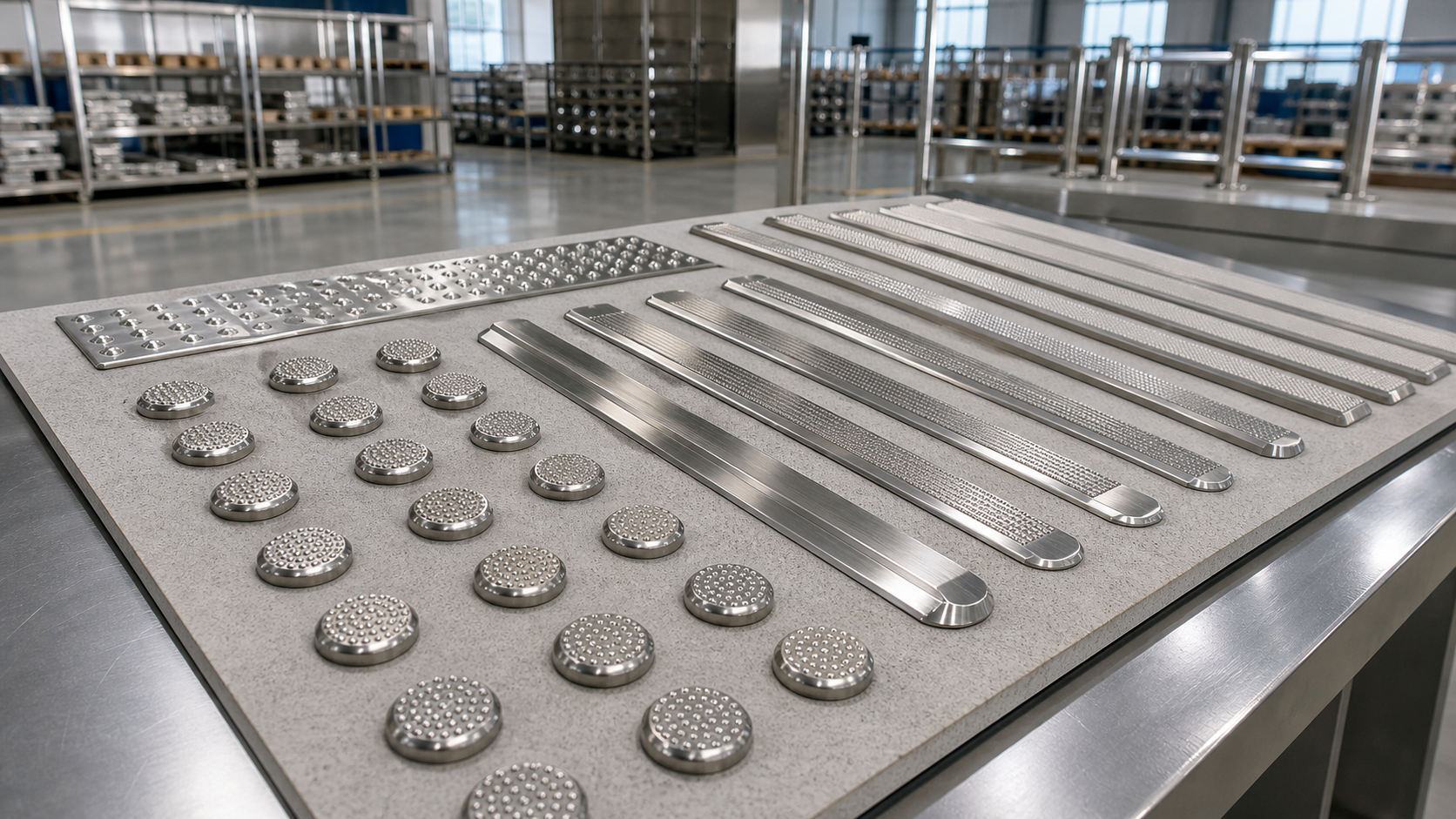
Explore stainless steel tactile indicator types, materials, installation methods, accessibility design, quality checks, and OEM manufacturing tips worldwide.
2026-07-04
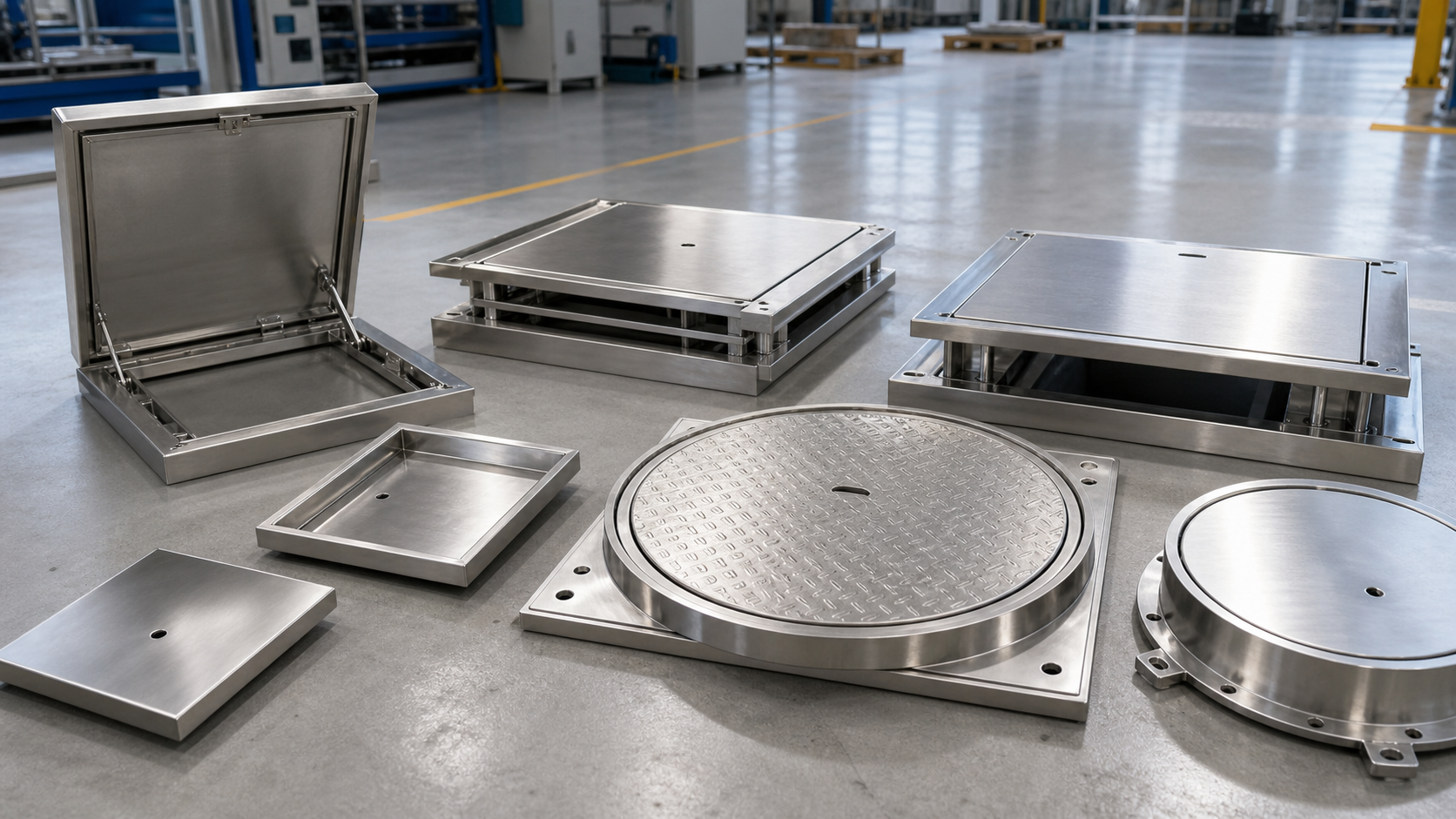
Compare stainless steel manhole cover types, 304/316/2205 materials, load classes, finishes, applications, installation, and OEM tips for global buyers.
2026-07-04
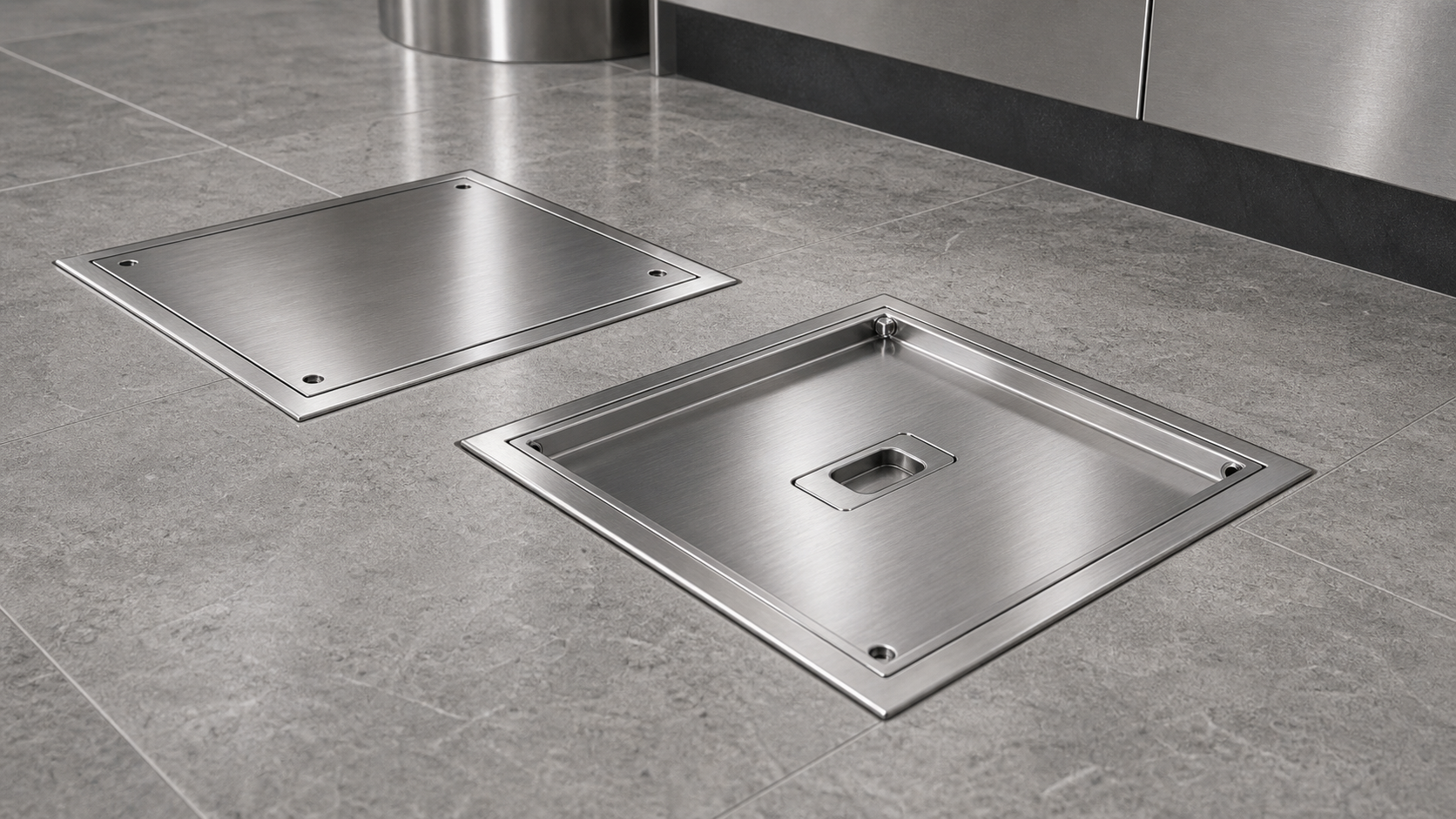
Last updated: July 4, 2026Author: AODSON Engineering Team Choosing stainless steel access covers for a commercial project is not only a matter of matching size and appearance. Architects, engineers, contractors, distributors, facility managers, and OEM buyers must also evaluate load class, material grade, clear opening, slip resistance, sealing, drainage, installation method, surface finish, and quality traceability. A well-specified access cover protects underground utilities and service points while keeping the finished floor safe and maintainable. A poorly specified cover can create water ingress, noise, rocking, corrosion, trip hazards, installation delays, or premature replacement costs. This guide explains how to select stainless steel access covers for commercial and industrial projects, and how AODSON supports OEM custom manufacturing from drawing review to export packaging. Table of Contents What Is a Stainless Steel Access Cover? Types of Access Covers Key Selection Factors Material Selection Manufacturing Process Surface Finish Options Commercial Applications Installation Considerations Quality Control and Traceability OEM Custom Manufacturing with AODSON Frequently Asked Questions What Is a Stainless Steel Access Cover? A stainless steel access cover is a removable or openable cover installed over a floor, wall, utility chamber, service duct, inspection point, drainage connection, or equipment access zone. It allows maintenance teams to reach concealed systems while keeping the surrounding area safe, clean, and visually integrated. In commercial and industrial projects, stainless steel access covers are commonly used in shopping malls, hotels, hospitals, airports, food processing plants, public buildings, clean utility rooms, production areas, and infrastructure facilities. Compared with painted steel or plastic covers, stainless steel offers stronger corrosion resistance, better hygiene, higher finish quality, and longer service life when correctly specified. Types of Access Covers Type Best For Key Advantages Specification Notes Recessed access covers Stone, tile, terrazzo, and architectural floors Allows floor finish infill and discreet appearance Confirm infill depth,…
2026-07-04
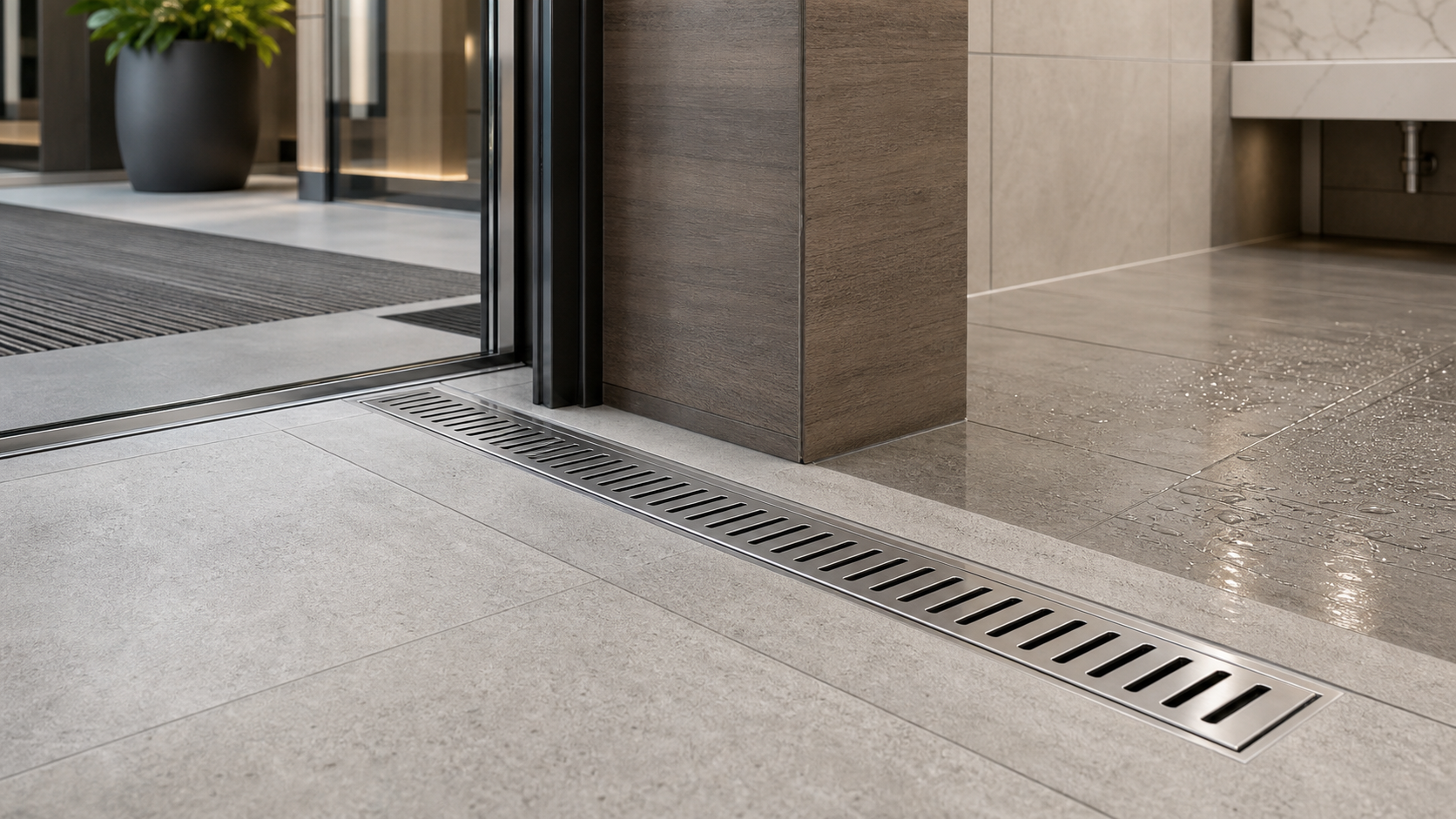
Last updated: July 4, 2026Author: AODSON Engineering Team Stainless steel linear drain systems are used wherever water must be removed quickly, safely, and cleanly from a floor area. Compared with point drains, a linear drain creates a long collection line that can simplify floor slope design, improve appearance, and support higher drainage capacity across commercial, hospitality, public infrastructure, and industrial environments. For architects, contractors, distributors, engineers, and OEM buyers, the best linear drain is not defined by appearance alone. Material grade, channel geometry, outlet design, grate structure, welding quality, load requirement, surface finish, installation method, and quality traceability all affect long-term performance. This guide explains how stainless steel linear drains are designed, manufactured, specified, and sourced. Table of Contents What Is a Stainless Steel Linear Drain System? Main Components Types of Linear Drain Systems Material Selection Manufacturing Process Surface Finish Options Load Classes and Drainage Standards Typical Applications Installation Considerations Quality Control and Traceability Why Choose AODSON Frequently Asked Questions What Is a Stainless Steel Linear Drain System? A stainless steel linear drain system is a long, narrow drainage assembly installed flush with the finished floor. It collects water along a channel and directs it to one or more outlets. The system normally includes a drain channel, grating or cover, outlet, end caps, leveling supports, and sometimes waterproofing flanges or anchoring features. Linear drains are common in commercial bathrooms, hotel showers, kitchens, swimming pool areas, balconies, terraces, food processing zones, industrial workshops, and public infrastructure. Their main advantages are efficient water capture, easier cleaning, a cleaner architectural line, and flexible placement along walls, thresholds, equipment rows, or traffic paths. Main Components Drain Channel The drain channel is the body of the system. It must hold water without deformation, guide flow toward the outlet, and resist corrosion from cleaning chemicals, moisture,…