




Architectural hardware looks simple when it is installed: a clean glass clamp, a railing connector, a door pull, a hinge, a bracket or a custom stainless fitting. In reality, every visible edge, threaded hole, polished surface and assembled interface is the result of a controlled manufacturing chain.
For engineers, contractors, importers and OEM buyers, understanding that chain is useful. It explains why two parts that look similar can perform very differently, why material grade matters, why a drawing review can prevent installation problems, and why surface finishing and inspection are not decorative afterthoughts.
AODSON manufactures stainless steel architectural hardware through an integrated process that can include engineering review, precision investment casting, CNC machining, welding, polishing, passivation, inspection and export packaging. This article explains the process from raw material to finished product.
What Is Architectural Hardware?
Architectural hardware is the group of metal components used to connect, support, operate, protect or finish building systems. It may be visible to the end user, hidden inside an assembly, or used as a structural interface between glass, doors, railings, stone, walls and metal frames.
Common stainless steel architectural hardware includes glass clamps, standoff fittings, railing supports, handrail brackets, door handles, hinges, brackets, anchors, canopy fittings, balustrade connectors, facade fasteners and custom project hardware. These parts often combine structural performance with a finished appearance, so manufacturing must balance strength, corrosion resistance, dimensional accuracy and surface quality.
For a broader product view, see AODSON’s architectural hardware capabilities and the related article Top 10 Stainless Steel Architectural Hardware Products Used in Commercial Buildings.
Common Stainless Steel Grades: 304, 316 and Duplex 2205
Material selection is the first major technical decision. The correct grade depends on the installation environment, load requirement, finish, maintenance expectations and cost target.
| Grade | Typical Use | Strengths | Limitations |
|---|---|---|---|
| 304 stainless steel | Indoor hardware, dry interiors, general commercial projects | Good corrosion resistance, strong availability, cost-effective | Not the best option for marine, poolside or chloride-rich environments |
| 316 stainless steel | Outdoor railings, coastal buildings, humid areas, premium exposed hardware | Better chloride resistance due to molybdenum, reliable for many architectural applications | Higher cost than 304 and still requires proper finishing and maintenance |
| Duplex 2205 | High-load or severe-corrosion fittings, demanding coastal and industrial projects | Higher strength and excellent corrosion resistance | More demanding to cast, machine and weld; must be specified carefully |
Buyers comparing grades can also review AODSON’s article 304 vs 316 Stainless Steel Architectural Hardware: Which Is Better?. For severe environments, material certificates and heat traceability should be part of the quality plan.
Product Design and Engineering Review
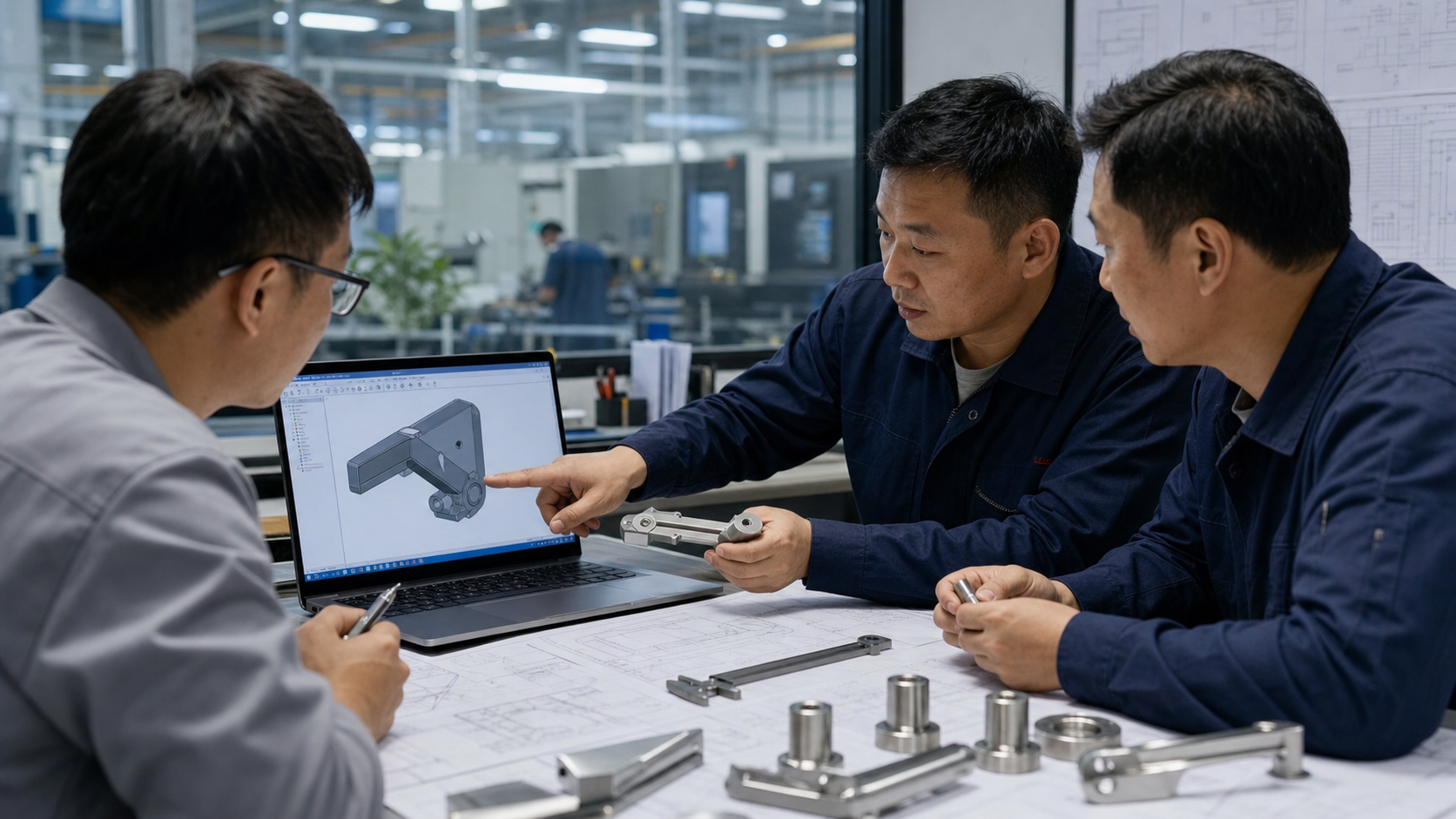
Architectural hardware normally begins with a drawing, a 3D file, a sample, a project specification or a requested modification of an existing part. Before production, AODSON reviews the design for function, manufacturability and inspection feasibility.
The review usually covers wall thickness, casting radii, shrinkage allowance, machining stock, hole positions, thread depth, weld access, visible surfaces, polishing direction, assembly clearance and packaging risks. This step is especially important for custom OEM parts because a small change in the model can reduce tooling cost, shorten machining time or prevent installation misalignment.
Good design-for-manufacturing does not weaken the design intent. It translates architectural requirements into production instructions that a foundry, machining shop, finishing team and inspection department can all follow.
Investment Casting Process
Investment casting is one of the most important processes for stainless steel architectural hardware. It is suitable for parts with curved forms, integrated bosses, complex brackets, decorative contours, or shapes that would be inefficient to machine entirely from bar stock.
A typical investment casting workflow includes tooling, wax injection, wax pattern inspection, tree assembly, ceramic shell building, dewaxing, preheating, stainless steel melting and pouring, shell removal, cutting, grinding, heat treatment when required and initial inspection.
The goal is not only to create a near-net-shape part. The goal is to create a consistent blank that leaves the correct machining allowance and enough surface quality for the specified finish. For more background, see Stainless Steel Casting Design Guide for Engineers and Investment Casting vs Sand Casting.
CNC Precision Machining
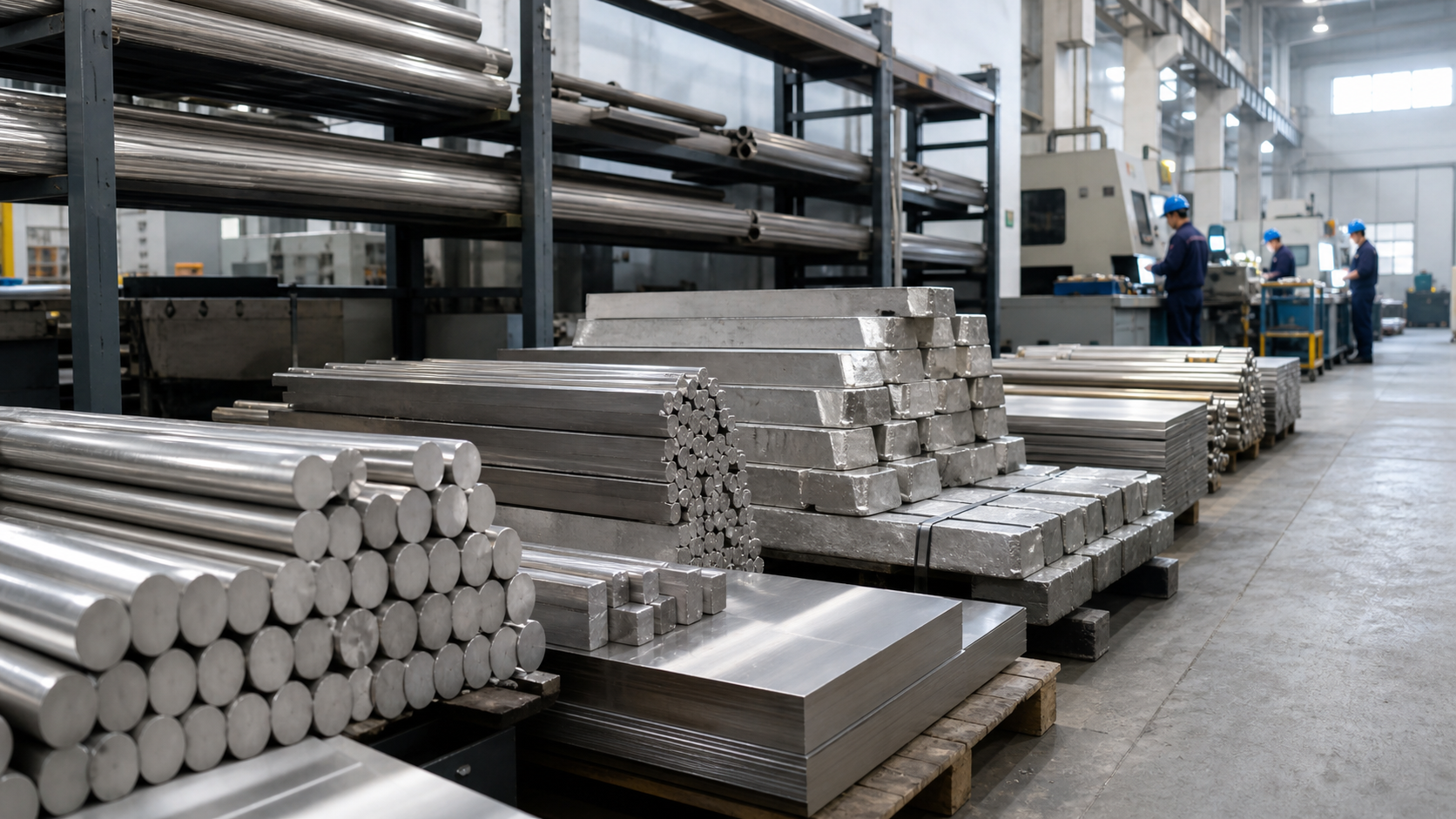
After casting, many architectural hardware parts require CNC machining. Machining is used for dimensions that control installation: threaded holes, countersinks, pin bores, bearing areas, flat mounting faces, grooves, slots and mating surfaces.
Machining plans should define datum points clearly. If the casting surface is used as a reference without proper control, hole positions can drift. AODSON combines fixtures, tool selection, in-process inspection and final checks to control repeatability.
Some parts are machined completely from stainless steel bar or plate when the geometry is simple or the tolerance requirement is very tight. Others are cast first and machined only where accuracy is critical. The best route depends on geometry, quantity and performance requirements. AODSON’s CNC machining service supports both approaches.
Welding and Assembly
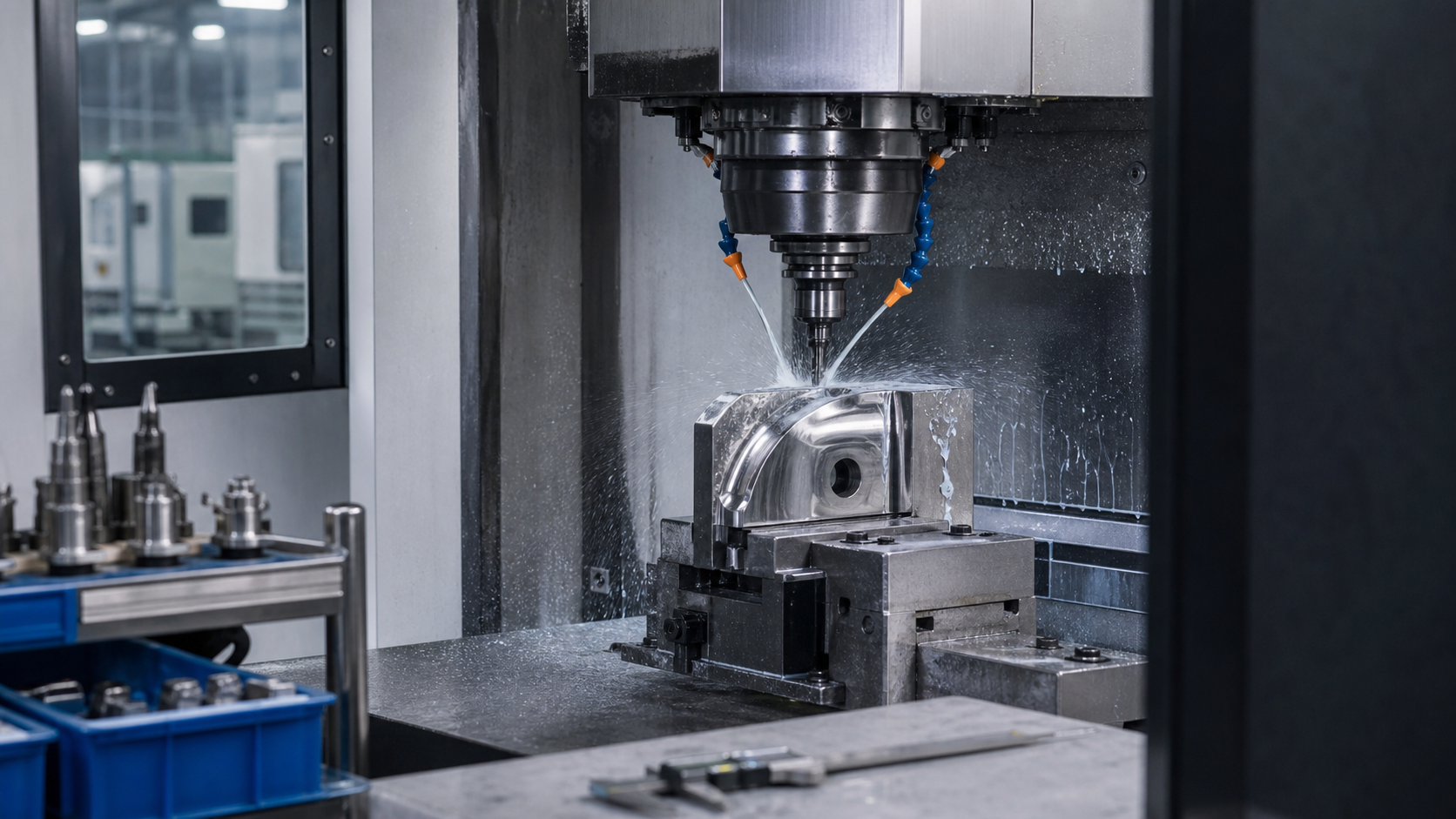
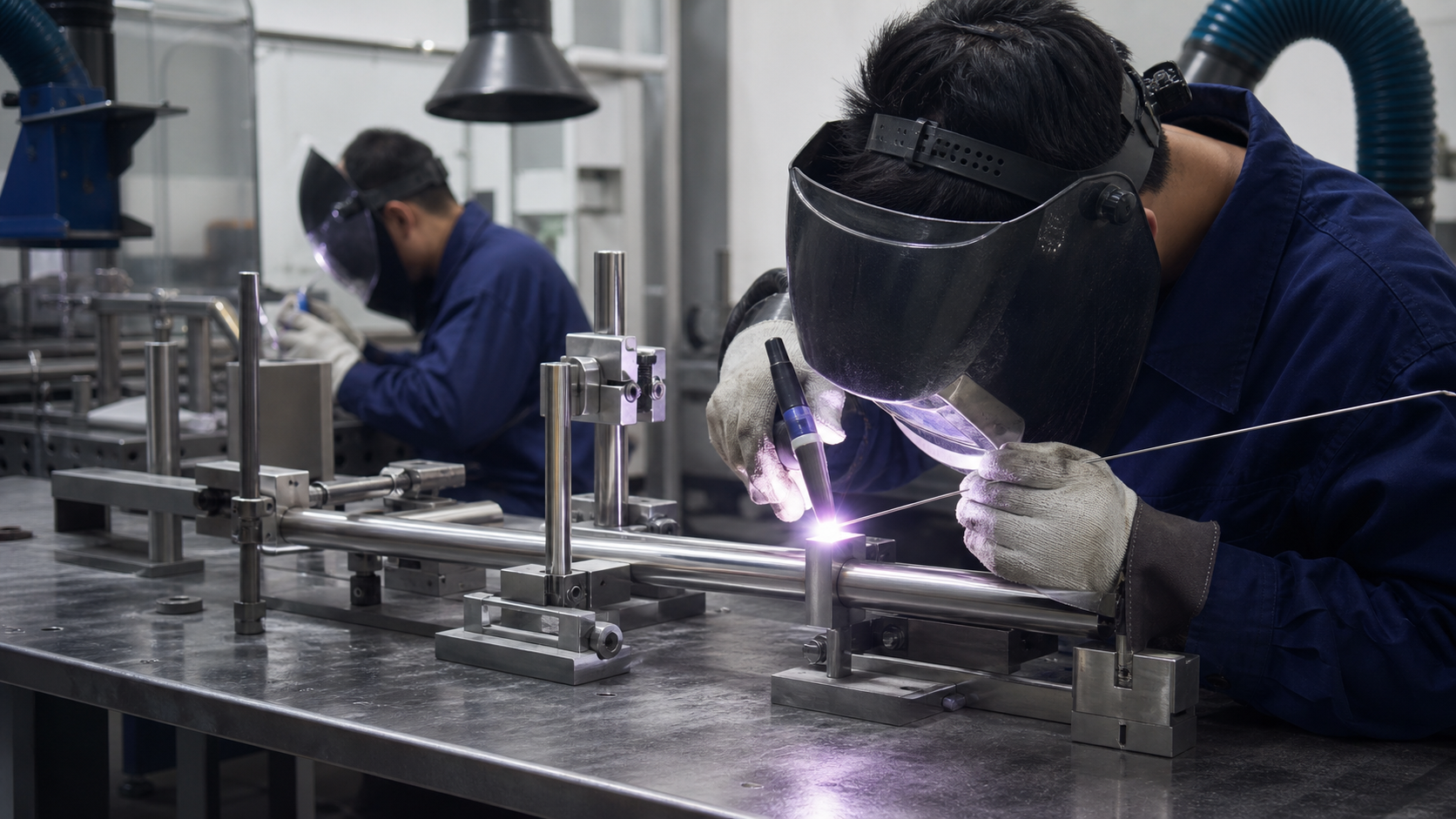
Many architectural components are assembled from multiple stainless parts. Welding may be used for handrail supports, brackets, frames, anchors, custom bases or special project fittings.
For stainless architectural hardware, welding quality is both structural and visual. Joint fit-up, fixture control, shielding gas, heat input, distortion control and post-weld cleaning all affect the final part. Weld discoloration should be removed where corrosion resistance and appearance matter. Critical assemblies may also require dimensional inspection after welding because heat can pull the part out of tolerance.
Surface Finishing
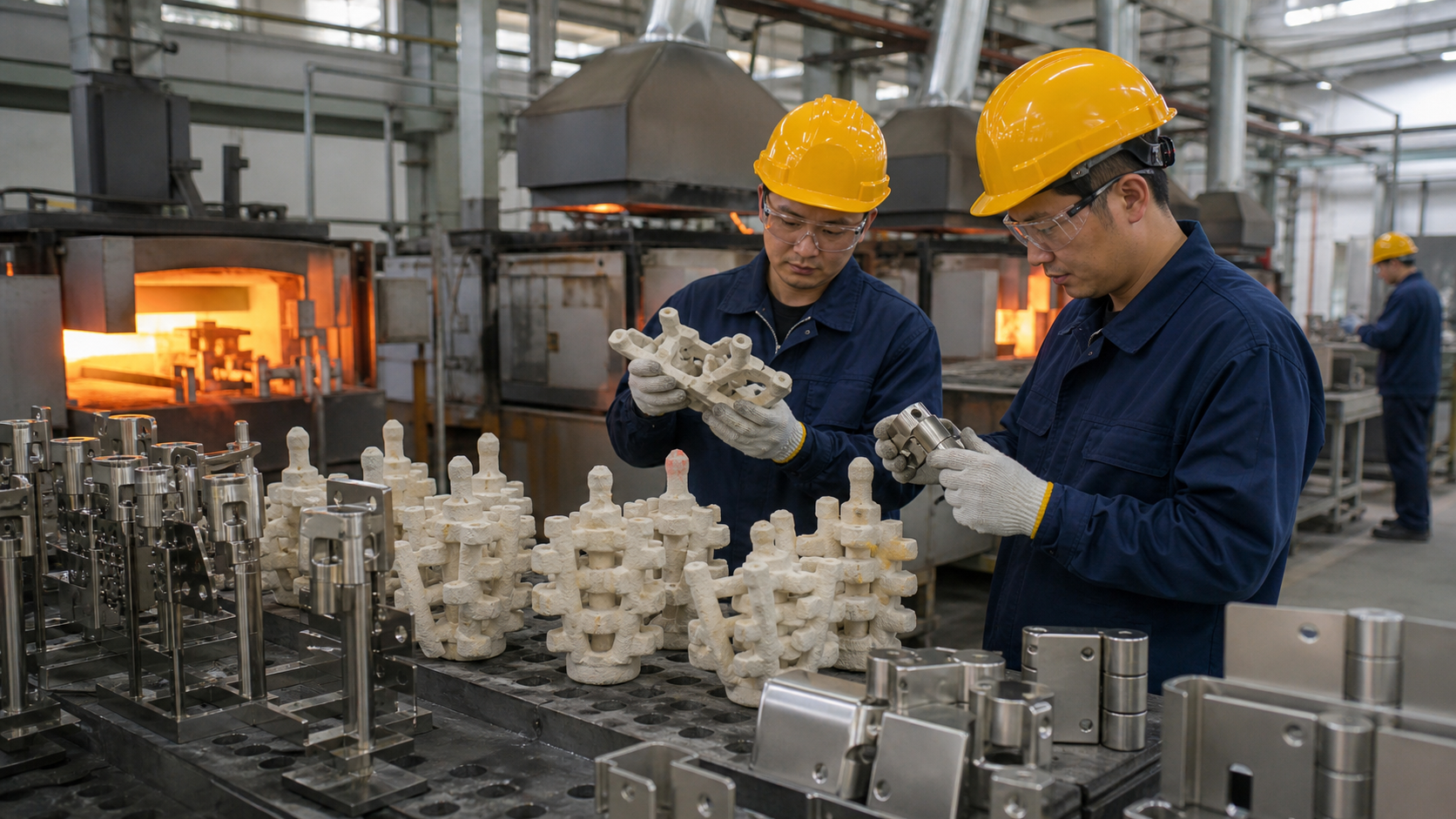
Surface finishing is one of the most visible steps in architectural hardware manufacturing. It also influences corrosion performance because roughness, contamination, embedded iron and unclean weld areas can become corrosion initiation points.
Mirror Polish
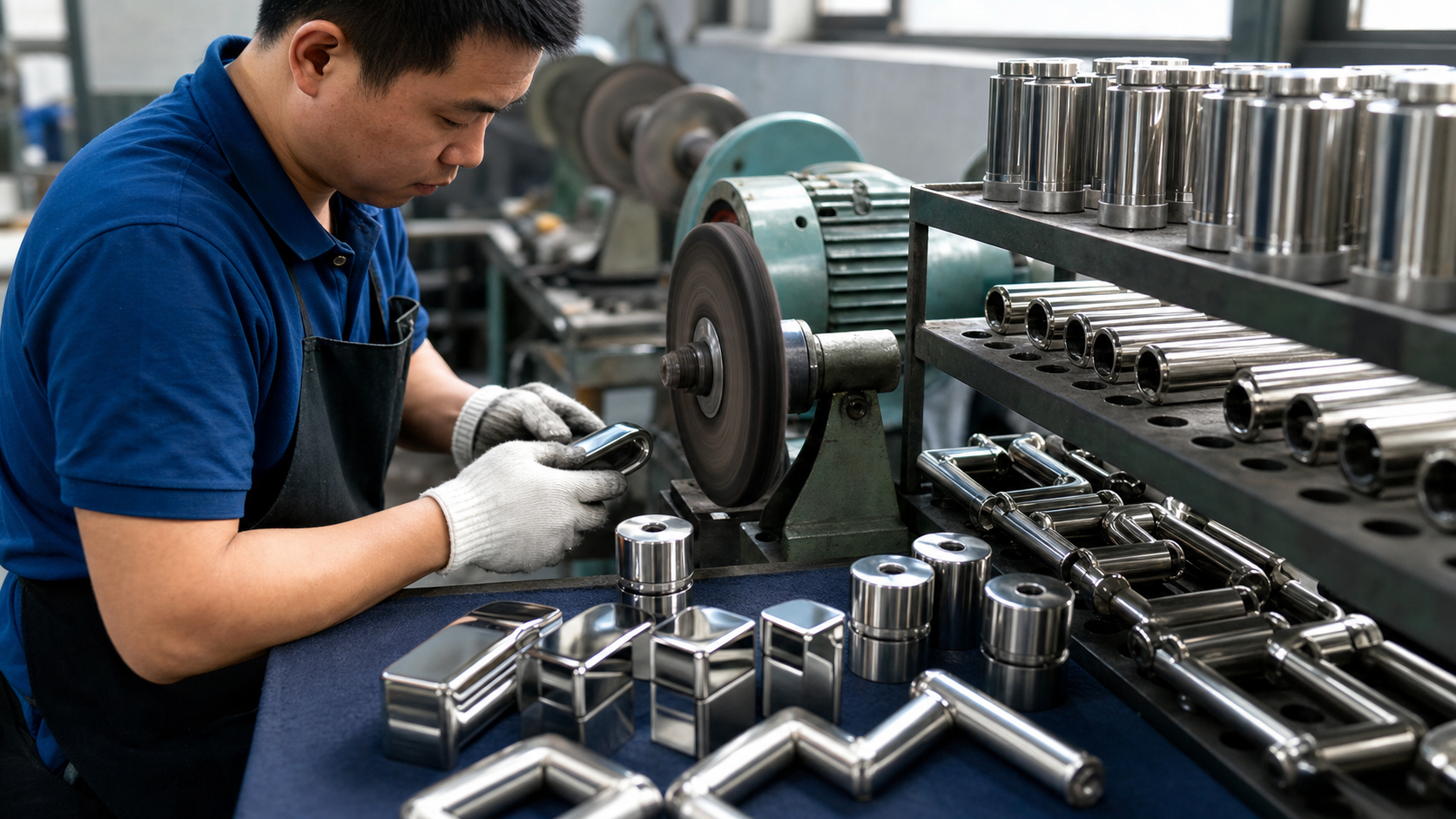
Mirror polish uses progressive grinding and buffing to create a highly reflective surface. It is common for premium door handles, decorative glass fittings and high-end visible hardware. The process requires careful control because waves, over-polished edges and remaining scratches are easy to see.
Satin Finish
Satin finish creates a controlled directional grain. It is popular for commercial buildings because it looks refined and hides minor handling marks better than mirror surfaces. Consistent grain direction is important across matched assemblies.
Electropolishing
Electropolishing removes a thin surface layer electrochemically, smoothing microscopic peaks and improving cleanability. It is useful when both appearance and corrosion resistance are important, though it must be matched to the alloy and geometry.
Passivation
Passivation removes free iron contamination and supports formation of the chromium-rich passive layer. It does not replace mechanical polishing, but it is often used after machining, welding or finishing when corrosion resistance is a priority.
| Finish | Appearance | Best For | Key Control Point |
|---|---|---|---|
| Mirror polish | Highly reflective | Premium decorative hardware | Scratch removal and flatness of reflected surface |
| Satin finish | Linear brushed grain | Commercial railings, handles and exposed fittings | Consistent grain direction and roughness |
| Electropolishing | Bright, smooth surface | Cleanable or corrosion-sensitive components | Uniform processing and correct chemistry |
| Passivation | Usually little visual change | Machined, welded or exposed stainless parts | Removal of contamination and proper rinsing |
Quality Inspection
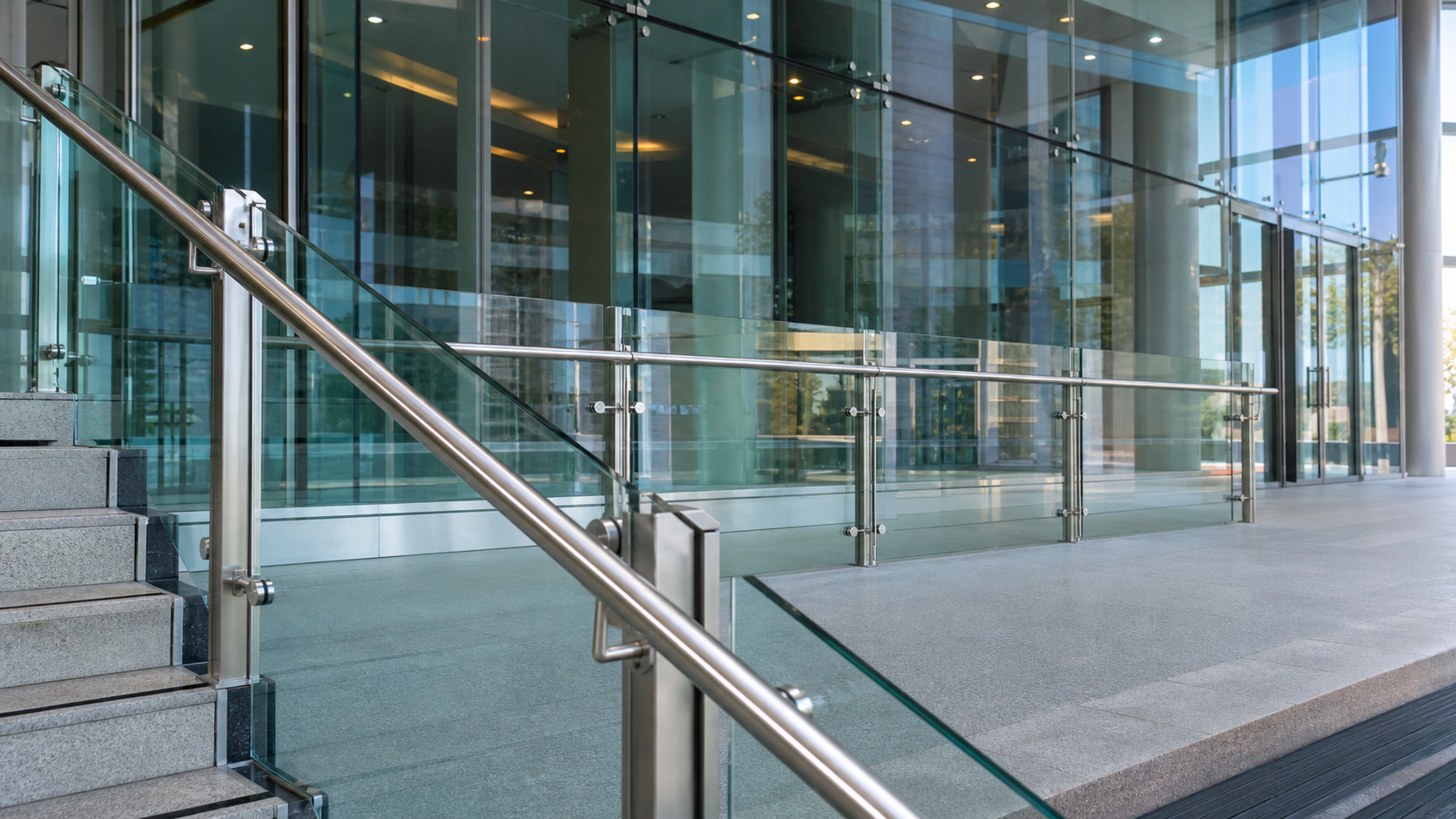
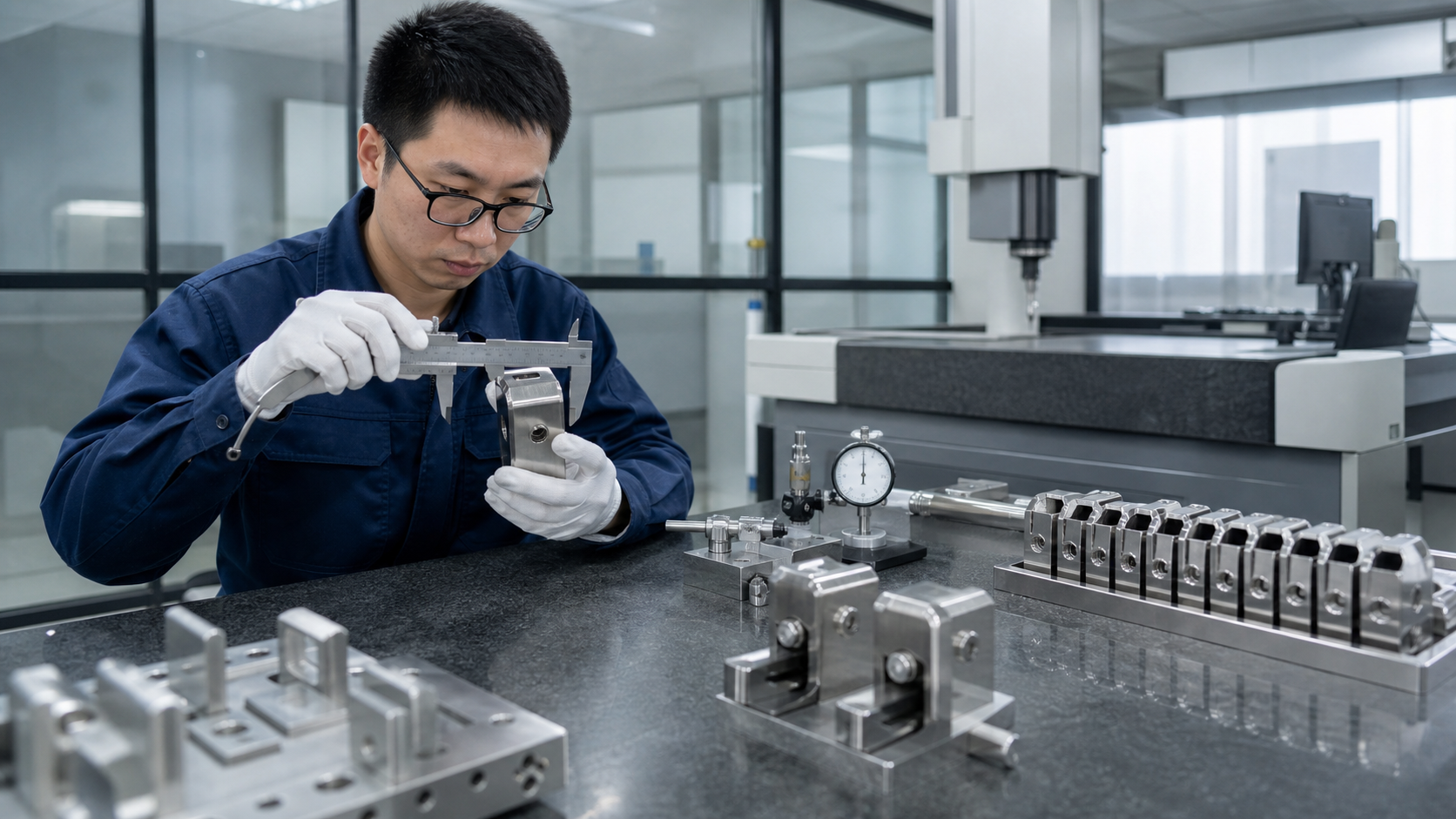
Quality control should be built into every step, not left to final inspection only. AODSON’s quality control process can include incoming material verification, wax or casting checks, in-process machining inspection, welding inspection, finish review and final packing inspection.
| Inspection Stage | What Is Checked | Why It Matters |
|---|---|---|
| Material incoming | Grade, certificate, heat number, purchased components | Confirms traceability and correct corrosion resistance |
| Casting inspection | Surface defects, major dimensions, shrinkage, machining allowance | Prevents defective blanks from entering machining |
| Machining inspection | Hole positions, threads, datum surfaces, fit with mating parts | Controls installation accuracy and assembly performance |
| Finish inspection | Polish level, grain direction, scratches, discoloration, contamination | Protects appearance and corrosion performance |
| Final inspection | Quantity, labeling, packaging, documents, sample retention if required | Reduces export shipment risk and customer receiving issues |
Packaging and Export Preparation
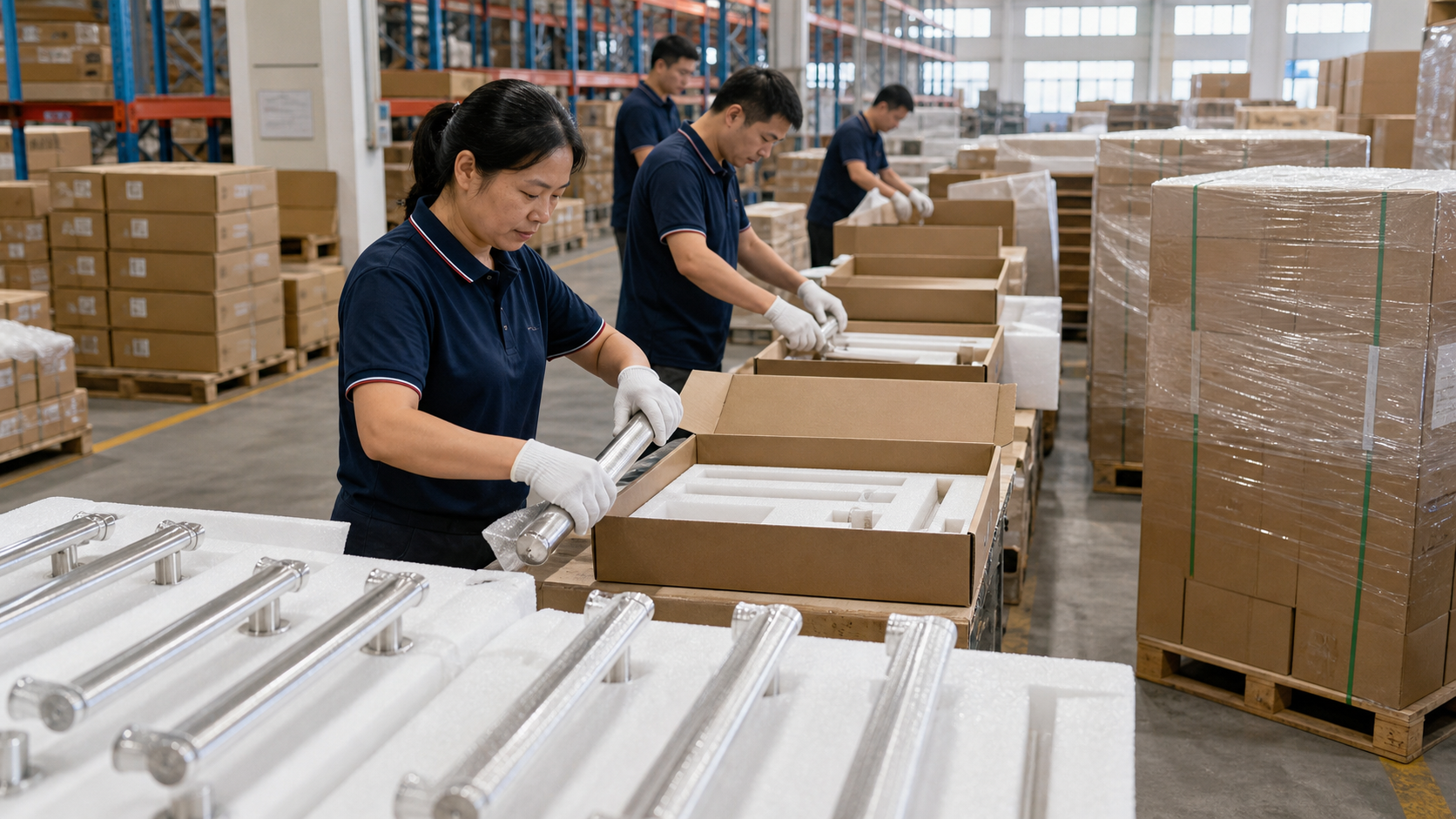
Packaging is part of manufacturing quality. A polished stainless steel component can be dimensionally perfect and still become unacceptable if it is scratched during transport. Export packaging should protect surfaces, separate parts, prevent abrasion and support carton or crate strength.
Typical packaging may include protective film, foam sleeves, dividers, individual bags, inner cartons, reinforced outer cartons, pallets or wooden crates. The correct method depends on part weight, finish, order quantity and shipping route.
Typical Architectural Hardware Products
| Product Type | Common Process Route | Typical Application |
|---|---|---|
| Glass clamps and standoff fittings | Investment casting + CNC machining + polishing | Glass railings, partitions and facade systems |
| Handrail brackets | Casting or fabrication + machining + satin finish | Staircases, corridors and commercial railings |
| Door pulls and handles | Machining, tube fabrication or casting + mirror/satin polish | Hotels, office buildings and public entrances |
| Hinges and pivot fittings | Casting or machining + precision boring + assembly | Doors, gates and access panels |
| Custom brackets and supports | OEM engineering + casting/welding/machining | Project-specific facade, canopy and structural interfaces |
Why the Manufacturing Process Matters
The manufacturing process determines more than price. It affects installation time, service life, surface durability, safety margin, batch consistency and replacement compatibility. A poorly controlled part can create hidden costs through misaligned holes, unstable threads, inconsistent polishing, corrosion complaints or site rework.
| Process Choice | When It Works Well | Risk If Poorly Controlled |
|---|---|---|
| Investment casting | Complex shapes, integrated features, medium to high repeatability | Porosity, shrinkage, excessive machining allowance or surface defects |
| CNC machining | Precise holes, threads and mating faces | Wrong datum strategy, burrs, tool marks or tolerance drift |
| Welding | Assemblies, brackets, frames and custom structures | Distortion, discoloration, weak joints or poor fit-up |
| Polishing and passivation | Visible premium surfaces and corrosion-sensitive parts | Scratches, inconsistent grain, embedded contamination or premature rust staining |
| Inspection and packaging | Export orders and project-based batches | Receiving disputes, missing parts, damaged finishes or installation delays |
How AODSON Manufactures Custom Architectural Hardware
AODSON supports custom stainless steel architectural hardware as an OEM manufacturing partner. The workflow can begin with drawings, 3D models, samples or a performance requirement. The team then reviews material, geometry, process route, tooling, machining, finish, inspection method and packaging before production.
For parts suitable for casting, AODSON can use investment casting to form the near-net blank, then machine critical features and finish the visible surfaces. For simpler or tighter-tolerance parts, CNC machining from solid stock may be more practical. For assemblies, welding and fixture-controlled fabrication may be combined with machined or cast components.
The objective is a finished component that works on site, matches the customer’s appearance standard and can be repeated across production batches. To discuss a project, send drawings, samples or specifications through Request a Quote or Contact AODSON.
Frequently Asked Questions
What materials are most commonly used for architectural hardware?
304, 316 and duplex 2205 stainless steel are common. 304 is used for general applications, 316 is preferred for many outdoor or coastal projects, and duplex 2205 is used when higher strength and corrosion resistance are required.
Why is investment casting used for architectural hardware?
Investment casting forms complex stainless steel shapes efficiently while keeping good surface quality and repeatability. It is useful for clamps, brackets, hinges, connectors and custom fittings.
When is CNC machining required after casting?
CNC machining is required for accurate holes, threads, flat mounting faces, slots, bearing seats and any feature that must meet a tighter tolerance than casting alone can provide.
What is the difference between satin and mirror polish?
Satin finish has a controlled brushed grain, while mirror polish is highly reflective. Satin is practical for many commercial buildings; mirror polish is often chosen for premium decorative hardware.
Does passivation replace polishing?
No. Polishing controls appearance and surface roughness. Passivation removes contamination and improves the passive layer after fabrication, machining or welding.
Can AODSON manufacture custom OEM architectural hardware?
Yes. AODSON can support OEM projects from drawings, 3D files or samples, including casting, CNC machining, welding, finishing, quality inspection and export packaging.
What tolerances are possible for stainless steel hardware?
Tolerances depend on the process and geometry. Cast dimensions follow casting capability, while CNC-machined features can be held much tighter. Critical tolerances should be reviewed during DFM.
How is quality controlled before export?
Quality control may include material certificate checks, dimensional inspection, thread checks, fit checks, surface inspection, corrosion-related checks and final packaging inspection.
What information should buyers provide for a quotation?
Send drawings, 3D files if available, material grade, finish requirement, tolerance notes, application environment, annual volume and packaging or certification requirements.
How should stainless architectural hardware be packaged?
Polished parts should be individually protected and separated with film, foam, sleeves, dividers or trays, then packed in strong cartons or crates for international transport.
Conclusion
Stainless steel architectural hardware is manufactured through a sequence of technical decisions. Material selection, engineering review, investment casting, CNC machining, welding, finishing, inspection and packaging all influence how the finished product performs in a building.
For buyers and project teams, the best results come from involving the manufacturer early, defining the installation environment clearly and confirming the critical dimensions, finish and inspection requirements before production. AODSON helps OEM customers turn stainless steel hardware designs into finished, export-ready components with controlled process planning and practical manufacturing experience.
Need custom stainless steel architectural hardware? Share your drawings, samples or project requirements with AODSON through Request a Quote or Contact.