



Precision casting, also known as investment casting or lost-wax casting, is a metal forming process used to produce parts with accurate dimensions, clean surfaces, and complex shapes that are difficult to make by ordinary machining or sand casting. It is widely used for stainless steel, carbon steel, alloy steel, aluminum, brass, and other metals.
The main value of precision casting is simple: it allows manufacturers to turn an exact pattern into a near-net-shape metal component. That means less machining, less material waste, and better consistency from part to part.
How Precision Casting Works
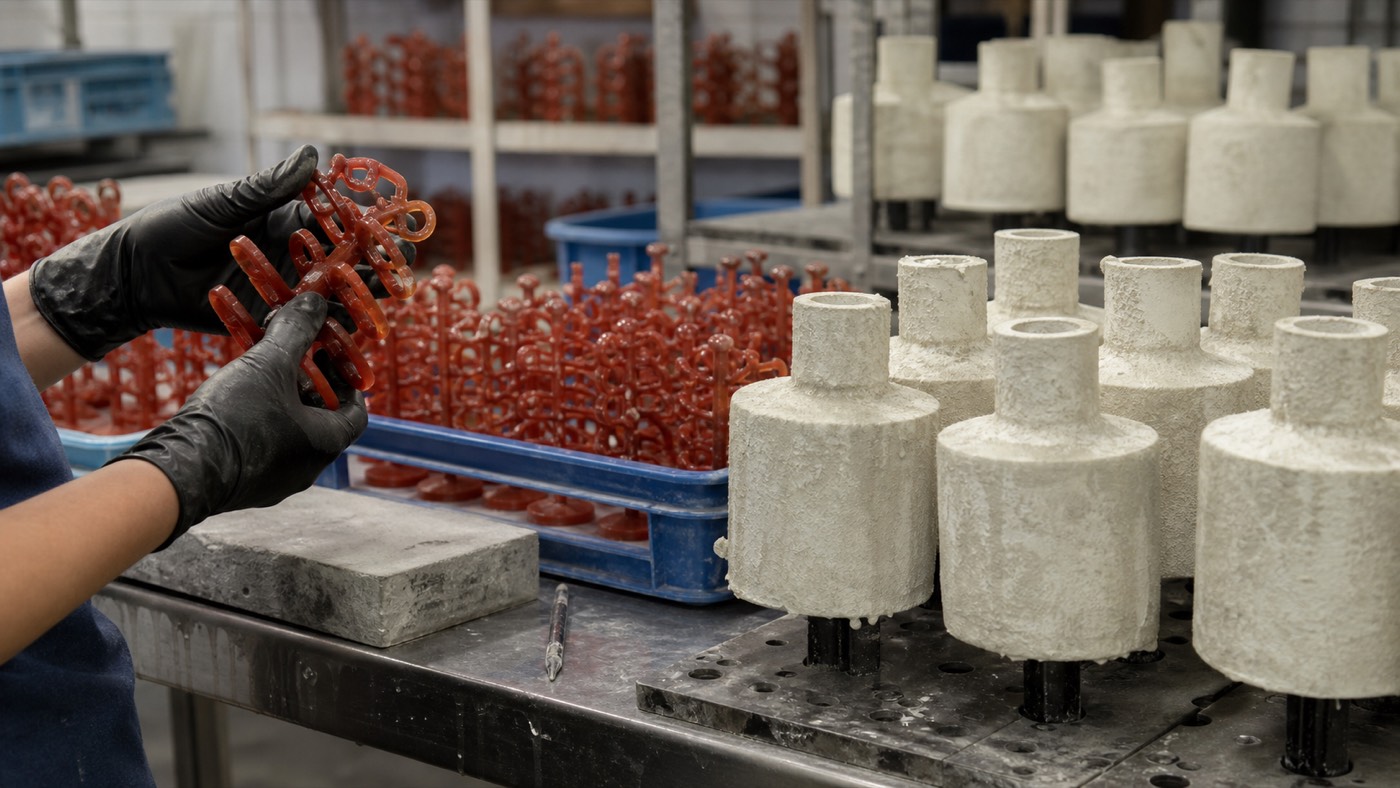
The process starts with a wax pattern. This wax pattern has the same shape as the final casting. Several wax patterns are often connected to a central runner system to form a wax tree. The tree is then dipped into ceramic slurry and coated with fine refractory material. After several layers are built up and dried, the ceramic shell becomes strong enough to hold molten metal.
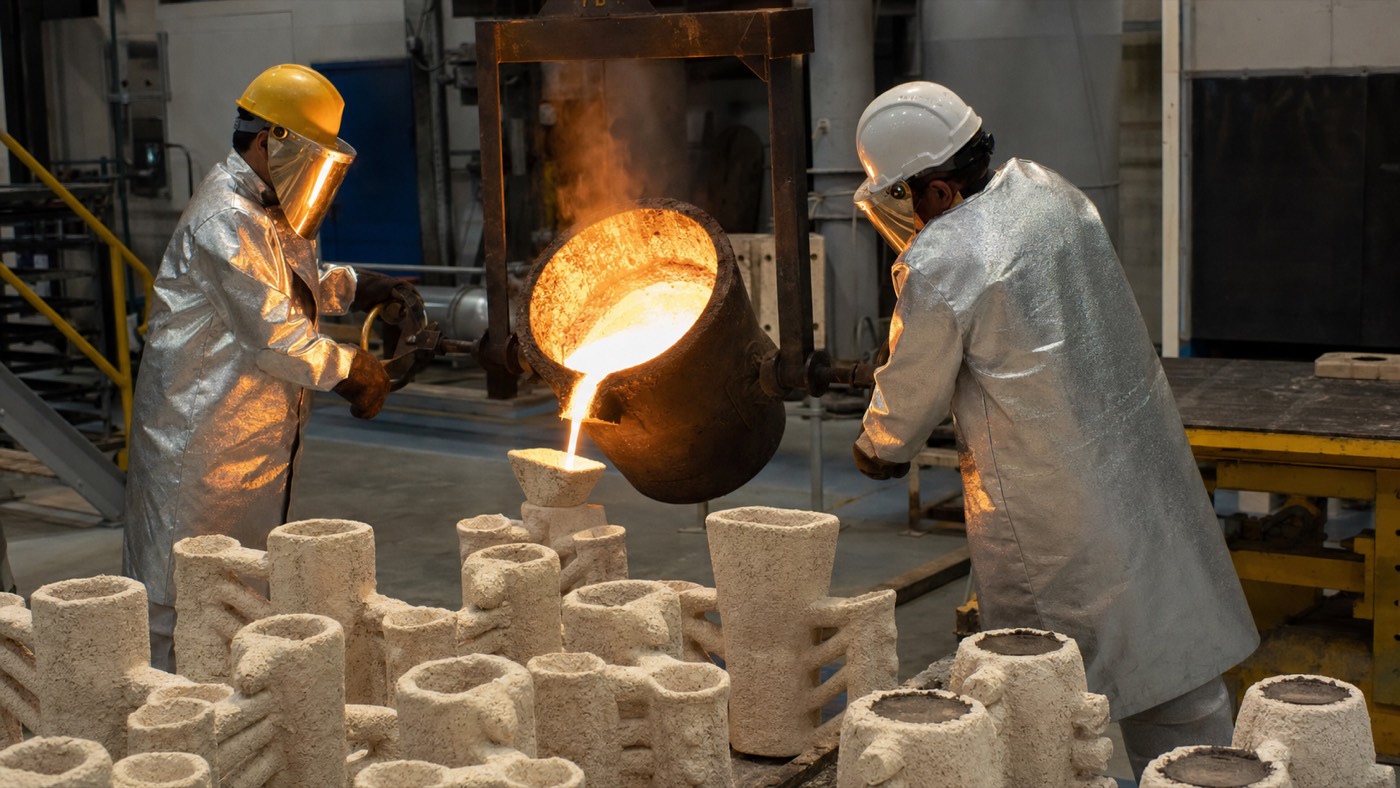
Next, the wax is melted out of the ceramic shell. This is why the process is often called lost-wax casting. The empty ceramic cavity is heated, and molten metal is poured into it. After cooling, the ceramic shell is removed, the individual castings are cut from the tree, and each part is cleaned, heat treated, machined, and inspected as required.
Why Manufacturers Use Precision Casting
Precision casting is chosen when a part needs a good balance of shape complexity, dimensional accuracy, and reliable mechanical performance. Compared with many other casting methods, it can produce thinner walls, finer details, and smoother surfaces. It is especially useful for parts with internal shapes, curved profiles, ribs, bosses, holes, and other features that would be costly to machine from solid material.
For buyers, the advantage is not only the shape. A well-controlled precision casting process can reduce secondary machining time, improve repeatability, and support stable production for small, medium, or large batches.
Common Materials
Precision casting can be used with a wide range of materials. Stainless steel is common for parts that need corrosion resistance, strength, and clean appearance. Carbon steel and low-alloy steel are often used when toughness and cost control are important. Heat-resistant alloys, aluminum alloys, copper alloys, and tool steels can also be cast depending on the working environment and performance requirements.
Typical Applications
Because the process is flexible, precision casting parts are found in many industries, including machinery, pumps and valves, automotive, marine hardware, food equipment, construction machinery, energy equipment, medical devices, and aerospace-related components. Examples include valve bodies, impellers, brackets, housings, levers, hinges, fittings, gear-related parts, and custom stainless steel components.
Quality Control Matters
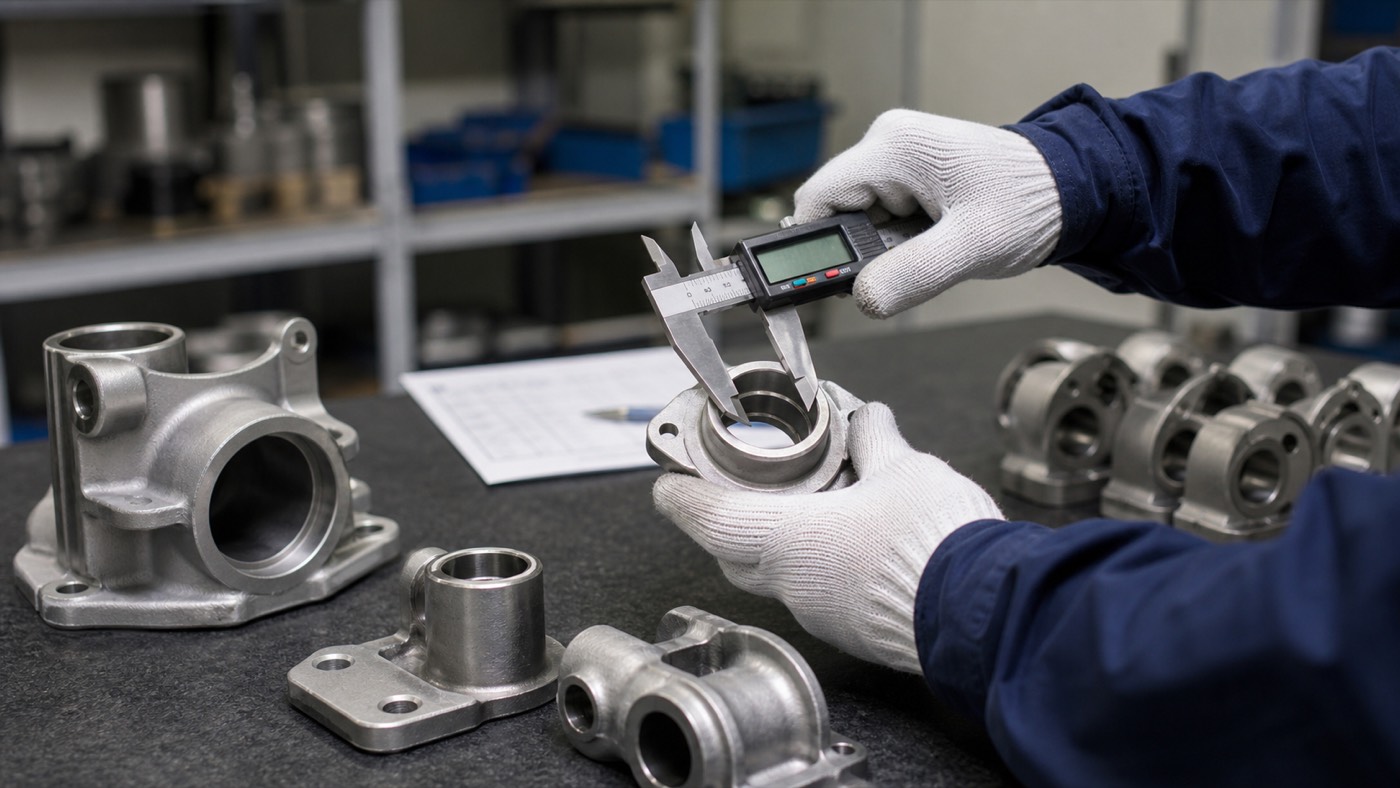
Good precision casting depends on more than pouring metal into a mold. Pattern accuracy, shell strength, melting temperature, pouring control, heat treatment, machining allowance, and inspection all affect the final result. Dimensional checks, surface inspection, material verification, hardness testing, and non-destructive testing may be used according to the part and customer requirements.
Precision Casting vs. Machining
Machining is excellent for tight tolerances and simple shapes, but it can be expensive when a component has a complex profile or requires a large amount of material removal. Precision casting creates the basic geometry first, then machining can be applied only to critical surfaces. This combination often gives a better balance of cost, accuracy, and performance.
Final Thoughts
Precision casting is a practical manufacturing method for producing detailed, durable, and repeatable metal parts. When the material, tooling, casting process, and quality control are properly managed, it can deliver strong components with reliable dimensions and a professional surface finish.
For custom metal parts, the best results usually come from early communication between the customer and the casting supplier. Drawings, material grades, tolerance requirements, surface finish expectations, and application details all help determine the most suitable casting and machining plan.