




Choosing an investment casting foundry is rarely a simple price comparison. Most buyers receive several quotations that look similar on the surface: material grade, unit price, tooling cost, and lead time. The difficult part is judging what sits behind those numbers.
A casting may look easy on a drawing and still become difficult in production because of shrinkage, wall thickness variation, machining allowance, alloy behavior, or inspection requirements. A supplier may quote quickly but miss a pressure test requirement. Another may understand the casting but outsource machining to a shop that does not control datum location. These details are where purchasing risk usually begins.
For OEM buyers, mechanical engineers, and industrial equipment manufacturers, the right foundry should reduce uncertainty before production starts. It should review the drawing carefully, ask practical questions, explain process limits, and control the work from wax pattern to final inspection. This guide explains how to evaluate a foundry before placing an order, especially for stainless steel, duplex stainless, heat-resistant steel, nickel alloy, and other precision industrial castings.
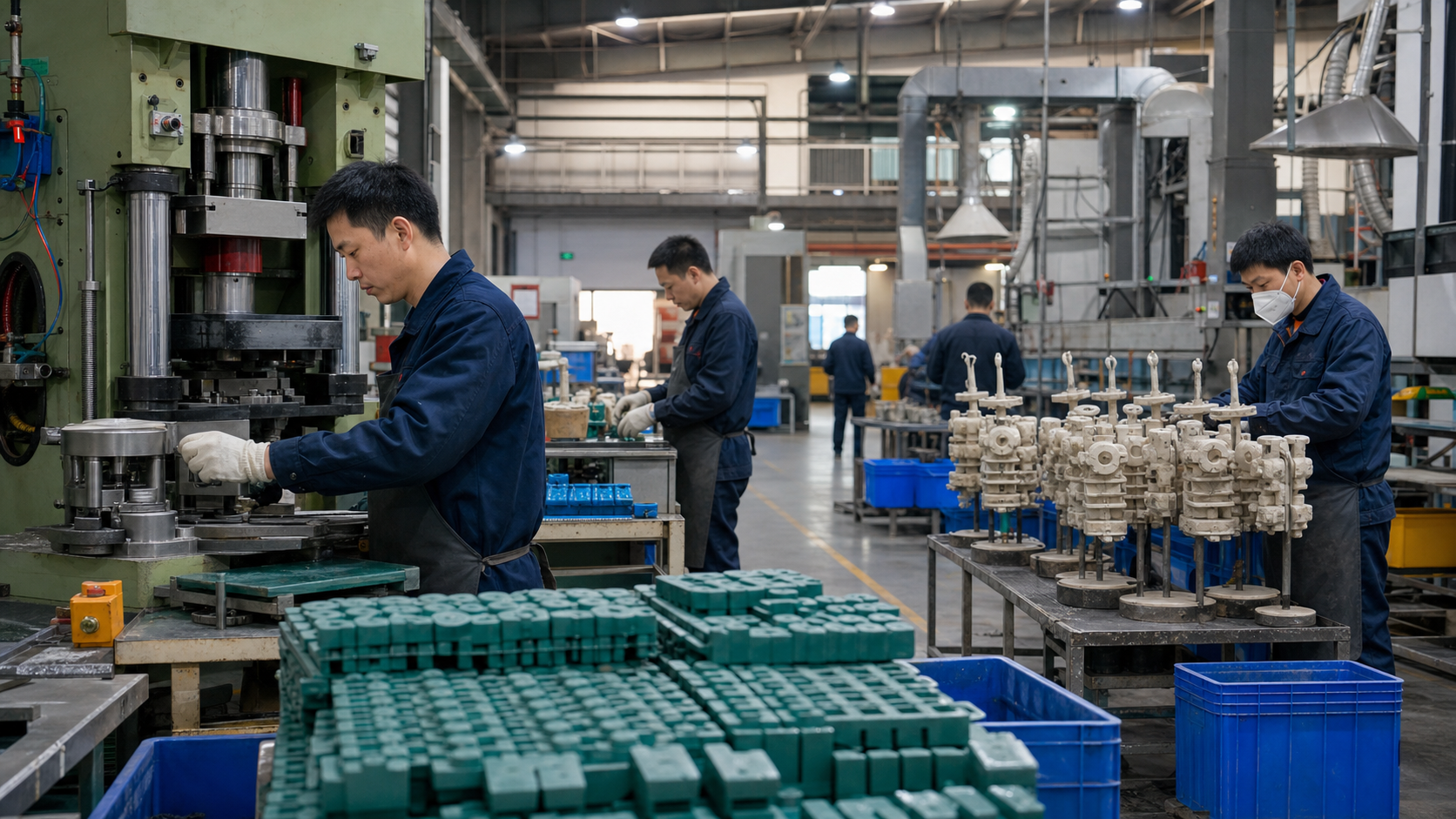
Why Choosing the Right Foundry Matters
Investment casting is often selected because it can produce complex shapes, better surface finish, and tighter dimensional control than many sand casting or fabrication routes. That does not mean every foundry can make the same part equally well. The real difference appears after tooling is built, samples are inspected, and repeat orders begin.
A poor supplier choice usually affects four areas:
- Cost: The lowest casting price can become expensive if machining scrap, rework, air freight, or field failure is added later.
- Lead time: A foundry without stable shell making, melting, heat treatment, or machining capacity may miss shipment dates even when the casting itself is simple.
- Quality: Dimensional drift, porosity, wrong material, poor threads, or inconsistent surface finish can interrupt assembly lines.
- Long-term cooperation: A good investment casting manufacturer learns your products and improves repeat orders. A weak one repeats the same problems every batch.
The best foundry is not always the one that says yes fastest. It is usually the one that finds the manufacturing risk before the purchase order is released.
For safety-related, pressure-retaining, marine, food equipment, pump, valve, and high-temperature applications, supplier selection has to be treated as part of engineering risk control. A casting is not only a purchased component. It is a process result.
Engineering Capability Comes First
Before discussing unit price, ask how the foundry reviews a drawing. A capable investment casting company will not only confirm the alloy and weight. It will look at casting feasibility, wall thickness, feeding direction, datum structure, machining allowance, tolerance level, surface finish, and inspection method.
Good engineering review usually includes:
- DFM review: Can the part be cast reliably, or should ribs, transitions, fillets, bosses, or wall sections be adjusted?
- Casting feasibility: Are there hot spots, isolated heavy sections, deep blind cavities, or areas likely to trap ceramic shell?
- Tolerance review: Which dimensions can be held as-cast, and which require machining?
- Material recommendation: Is the requested grade suitable for corrosion, temperature, strength, welding, and cost?
- Prototype capability: Can the foundry support samples, small batches, machining trials, and inspection reports before volume production?
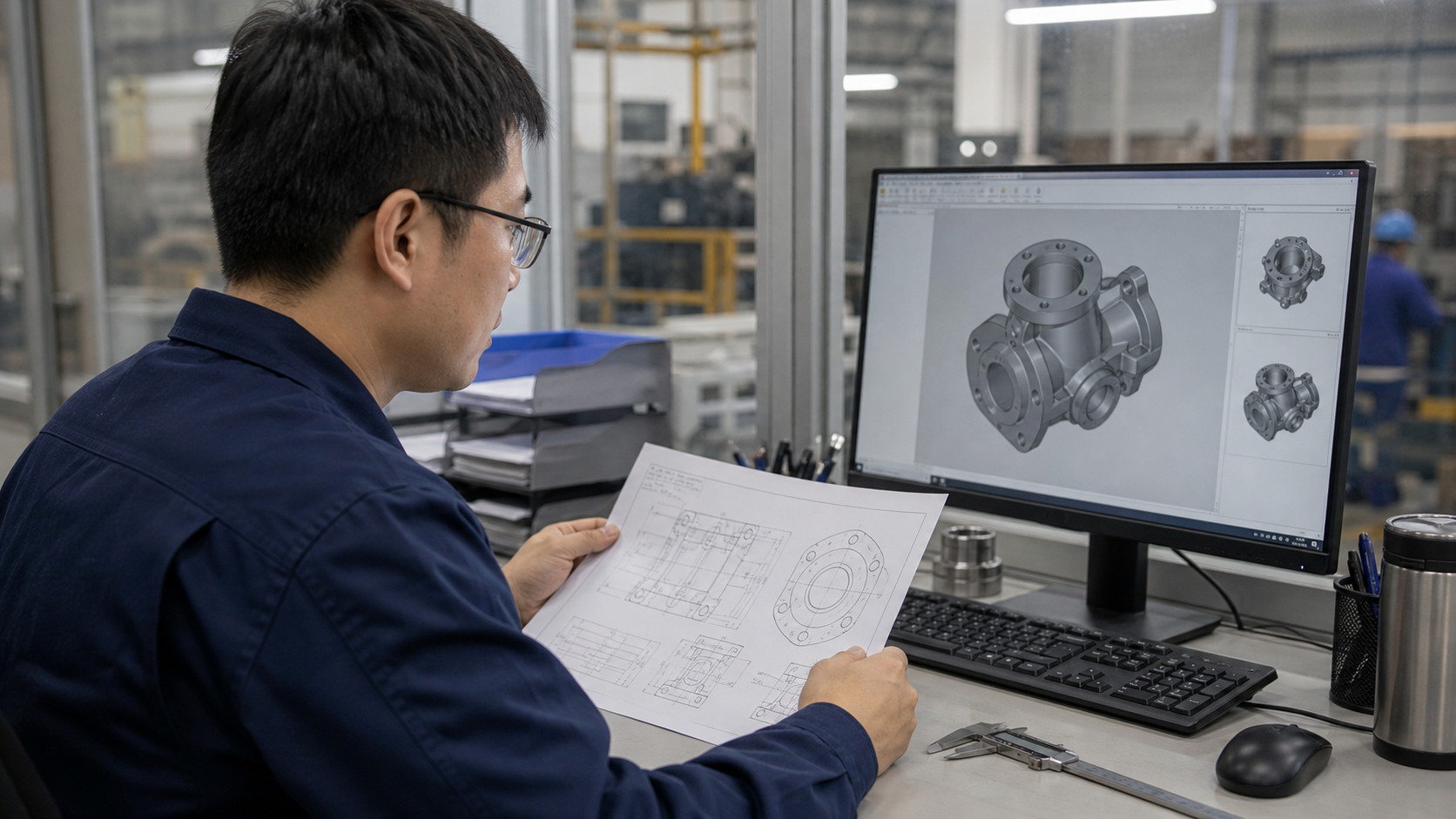
Here is a common example. A buyer sends a bracket drawing with several thin ribs connected to a heavy mounting boss. The drawing is technically correct, but the geometry creates uneven cooling. A foundry with real experience may suggest adding radius transitions, adjusting the rib layout, or machining the mounting face after casting. A quote-only supplier may ignore the issue, produce samples, and then blame “casting variation” when the boss area shows shrinkage or the ribs warp.
Another example is a pump or valve component. The buyer may mark several sealing dimensions as tight tolerances. A practical foundry will separate casting dimensions from machined sealing surfaces and define datum references for CNC. This avoids a situation where a casting passes visual inspection but fails assembly because the machined features do not relate correctly to the casting body.
If the project is a new OEM investment casting, ask for a short DFM note with the quotation. It does not need to be a long report. Even a one-page review showing key risks, proposed machining allowances, and open questions tells you a lot about the supplier’s engineering depth. For broader development work, pages such as OEM Manufacturing can help frame the type of supplier capability needed beyond casting alone.
Evaluate Material Experience
Many foundries list long material menus. A list is useful, but it is not proof of experience. What matters is whether the foundry understands how the alloy behaves during melting, pouring, heat treatment, machining, inspection, and service.
For stainless steel investment casting and corrosion-resistant parts, buyers often see grades such as:
- 304: General corrosion resistance, common for machinery, food-related equipment, and industrial fittings.
- 316 and 316L: Better resistance in chloride or marine environments; 316L is often selected where welding or lower carbon content matters.
- CF8 and CF8M: Cast equivalents commonly associated with 304 and 316-type stainless casting applications.
- 2205: Duplex stainless steel with higher strength and better chloride stress corrosion resistance than common austenitic stainless steels.
- 2507: Super duplex stainless for demanding corrosion and strength requirements.
- 310S: Heat-resistant stainless for elevated temperature applications.
- Nickel alloys: Used where corrosion, heat, or chemical resistance exceeds standard stainless capability.
- Inconel and Hastelloy: Selected for severe high-temperature or aggressive chemical service, but they require careful melting and process control.
The important question is not “Can you cast 316?” Most foundries will say yes. Better questions are: How do you verify chemistry? Do you control ferrite where required? What heat treatment is used? What surface finish is typical after passivation or polishing? How does the alloy machine after casting? What test certificates can be supplied?
| Buyer Question | Weak Answer | Stronger Answer |
|---|---|---|
| Can you make CF8M? | Yes, we make stainless steel. | Yes. We verify chemistry by spectrometer, provide heat number traceability, and can supply EN10204 3.1 when required. |
| Can you cast 2205? | We can try. | We have made duplex castings before and will confirm heat treatment, PMI, mechanical tests, and corrosion-related requirements before quotation. |
| Can you make Inconel? | Yes, any alloy is possible. | We need to review grade, service temperature, tolerance, minimum wall, quantity, and testing first because pouring and machining cost are much different from stainless steel. |
Material experience also affects cost. A supplier who understands alloy behavior may prevent over-specification. For example, some parts are quoted in 316 when 304 may be suitable. Other parts are specified in ordinary stainless when duplex stainless or nickel alloy is necessary. The foundry should not redesign your product, but it should be able to discuss the trade-offs honestly.
Inspect Their Manufacturing Process
Investment casting is sometimes called lost wax casting because the wax pattern is removed before metal pouring. A professional lost wax casting supplier should be able to explain each step clearly and show how the process is controlled.
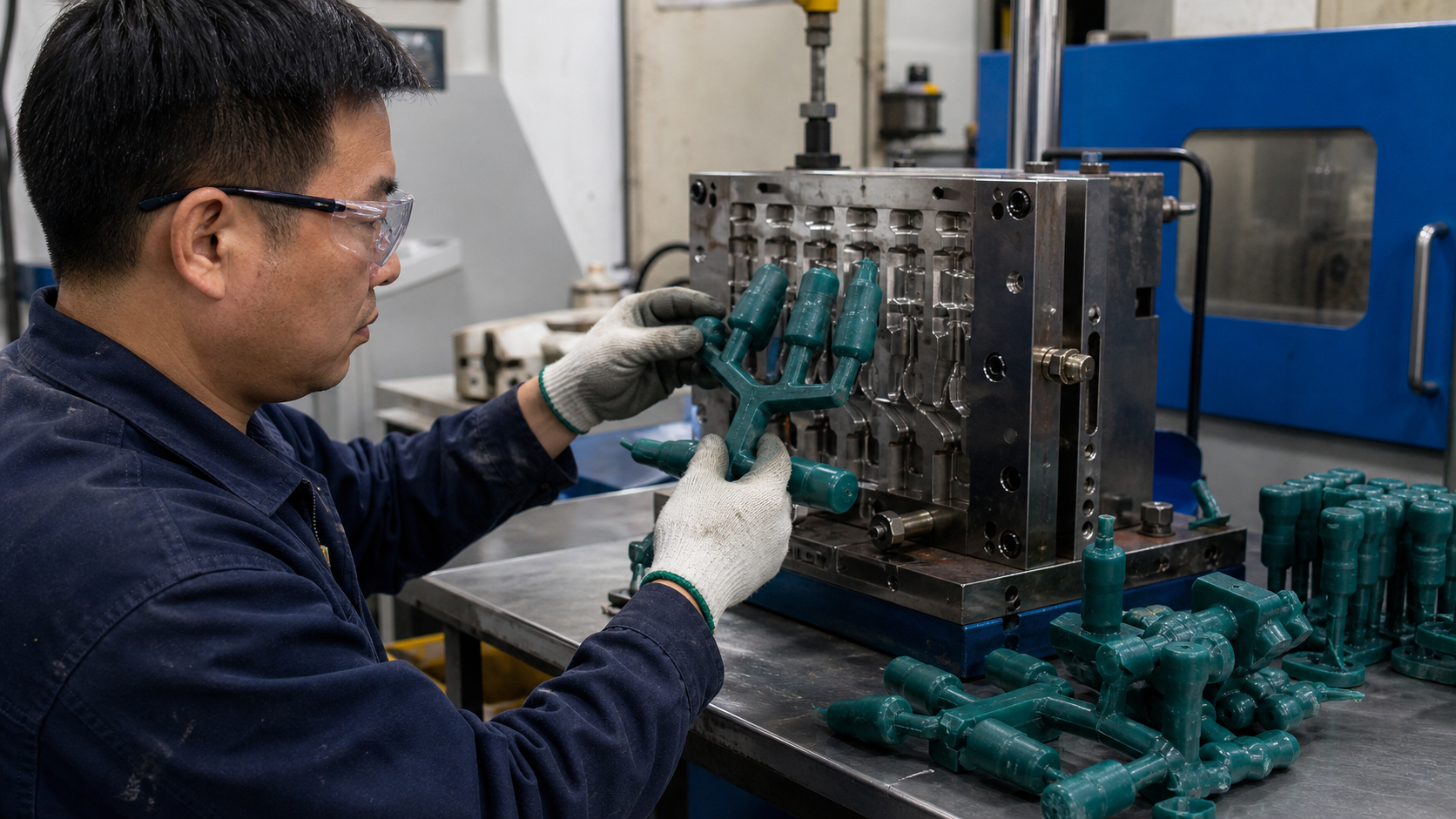
Wax Injection
Wax patterns must be consistent because every casting begins from the wax. Check whether the foundry controls wax temperature, injection pressure, die condition, shrinkage allowance, and pattern inspection. Small variation in wax can become dimensional variation after casting.
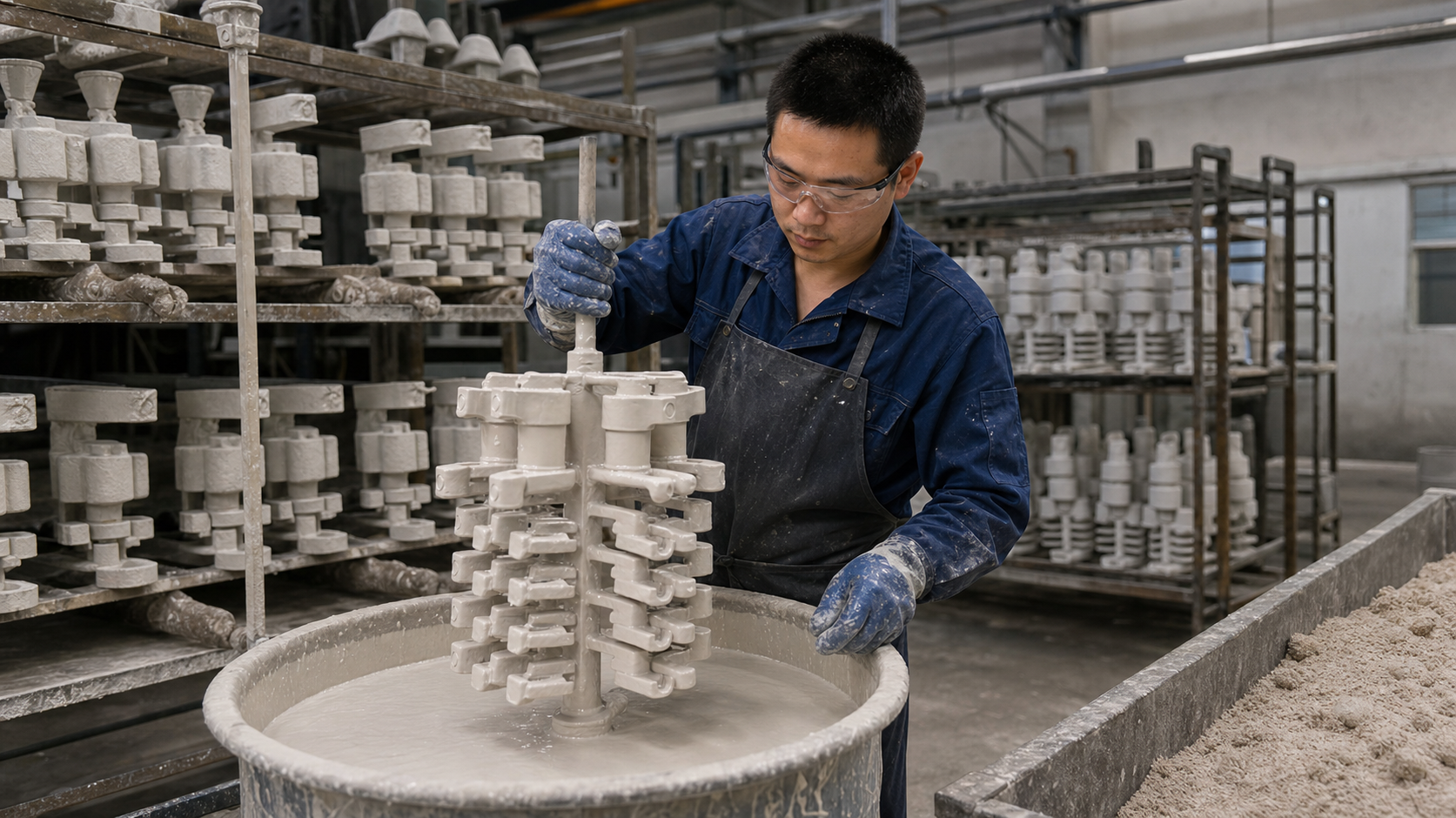
Shell Building
Ceramic shell quality affects surface finish, dimensional stability, and casting defects. Ask how many shell layers are used, how drying is controlled, and whether humidity and temperature are monitored. Thin, complex parts and heavy-section parts do not always need the same shell practice.
Dewaxing and Pouring
Dewaxing removes the wax pattern and leaves the ceramic cavity. Poor dewaxing can crack shells or leave residue. Pouring then requires the correct melt practice, temperature control, gating design, and shell preheat. These choices influence shrinkage, misrun, oxide inclusions, and surface condition.
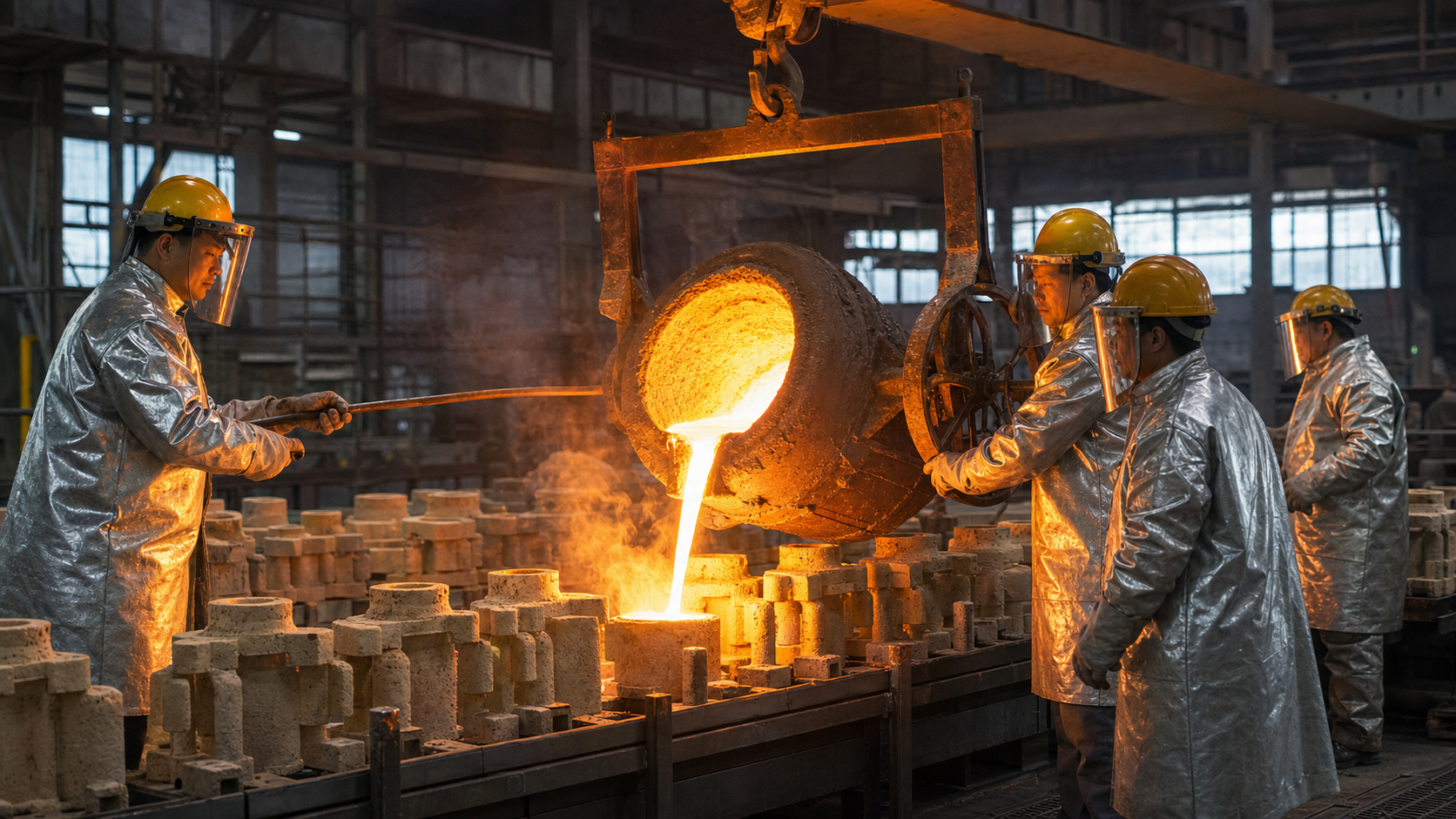
Heat Treatment, Machining, Inspection, and Packaging
After knock-out and cut-off, castings may require heat treatment, blasting, grinding, machining, passivation, polishing, coating, or other surface finishing. Packaging should also be part of process control. Machined sealing faces, threads, and polished surfaces can be damaged in transit if the packaging is treated as an afterthought.
A practical factory tour, even by video, should show the real process flow. You do not need a perfect showroom. You need evidence that work is organized, operators understand the process, and the foundry can separate materials, batches, and inspection status.
Quality Control Is More Than ISO Certificates
ISO certification is helpful, but it does not inspect your parts. Quality depends on the checks built into the production route and whether records can be traced back to each heat and batch.
For industrial custom investment castings, ask which inspections are standard and which require special arrangement. Common controls include:
- PMI: Positive material identification to confirm alloy on finished or semi-finished parts.
- Spectrometer: Chemical composition check during melting or for heat verification.
- CMM: Coordinate measurement for critical dimensions and datum relationships.
- Hardness testing: Useful after heat treatment or for material confirmation.
- Pressure test: Important for valve bodies, pump parts, manifolds, and sealed components.
- Surface inspection: Visual check for cracks, sand inclusion, pits, laps, and unacceptable grinding marks.
- Material traceability: Heat number, batch number, and inspection records linked to shipment.
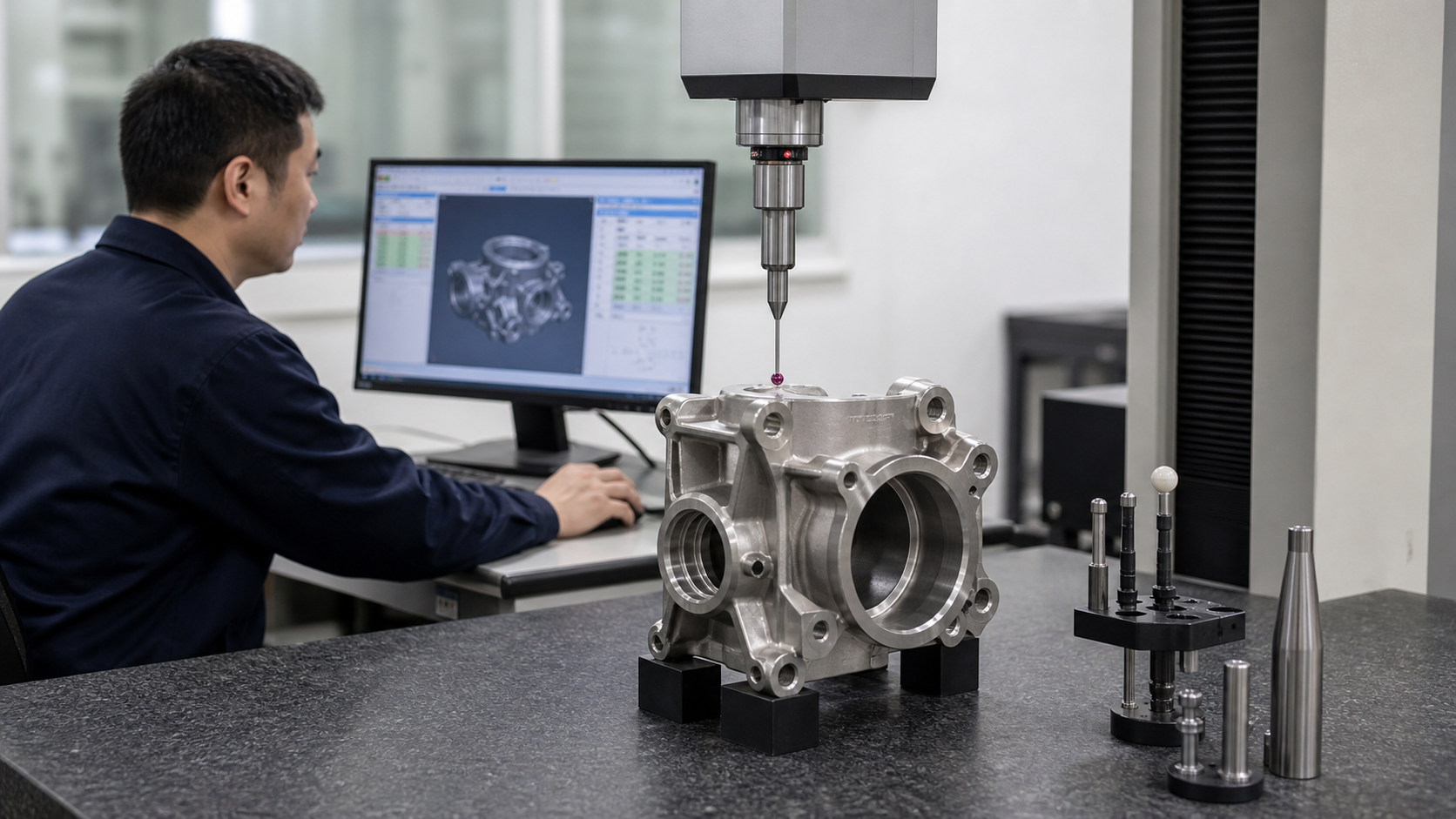
A good quality team will also clarify acceptance standards. For example, cosmetic surface requirements for visible equipment parts are different from hidden pump internals. A small casting pore may be acceptable in a non-critical surface but unacceptable near a sealing area or pressure boundary. If the drawing does not define this clearly, the foundry should ask before production.
For supplier qualification, review the factory’s quality control capability and ask for sample reports. Do not only ask whether they “have CMM.” Ask whether they can measure your part, your datum scheme, and your required report format.
Machining Capability
Many investment castings are not finished after casting. Mounting holes, sealing faces, threads, bearing seats, shafts, slots, and datum surfaces often require machining. This is why a foundry with in-house CNC capability is usually easier to manage than a foundry that only supplies raw castings.
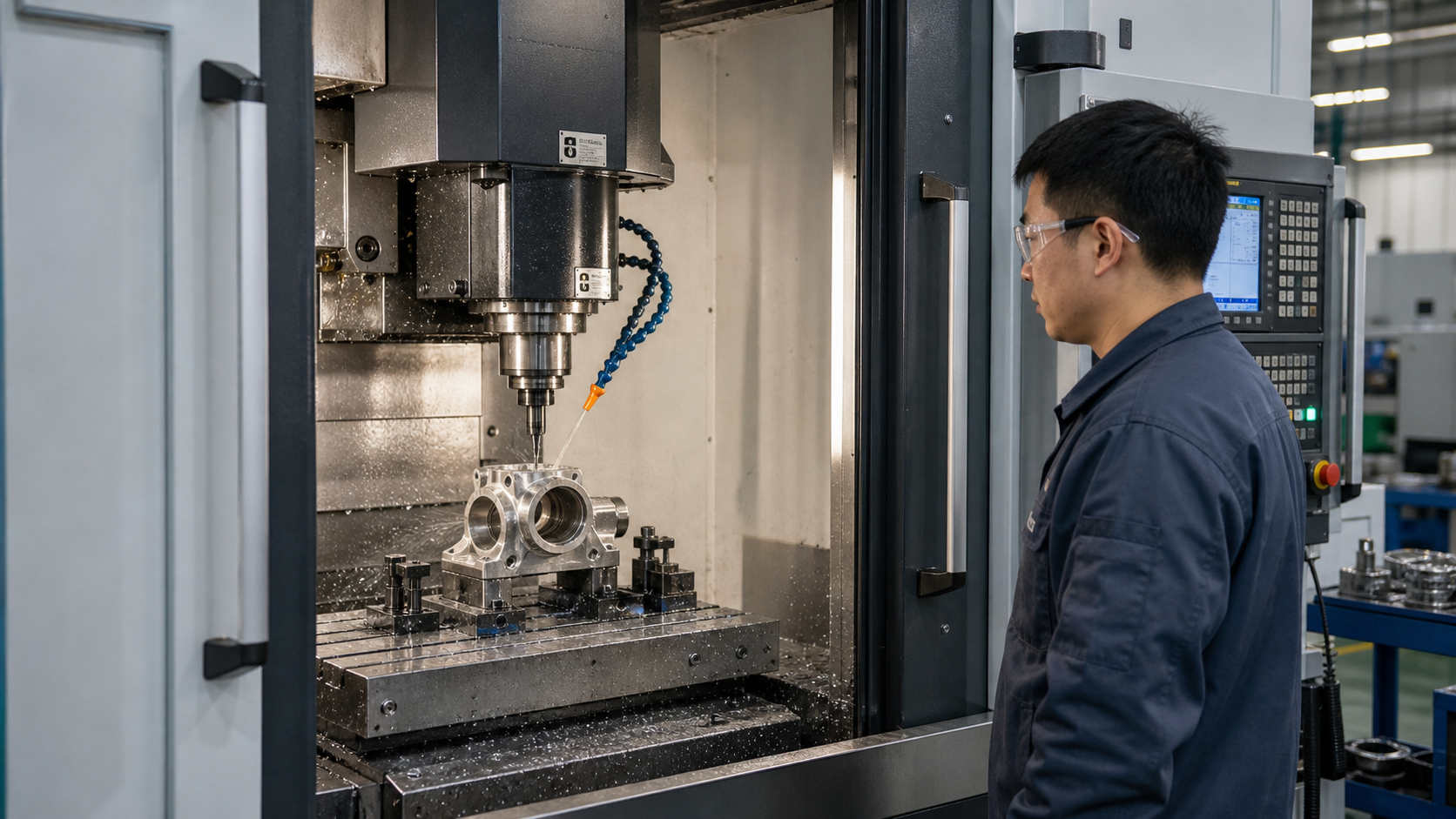
The benefit is not only convenience. It is technical control. The foundry can design machining allowance based on actual casting variation, fixture the part according to casting datum, and adjust the process after sample inspection. When casting and machining are handled by separate suppliers, responsibility can become unclear. The foundry blames machining. The machine shop blames casting. The buyer gets stuck in the middle.
Useful machining capabilities include:
- 3-axis machining: Common for faces, pockets, simple holes, and general milling.
- 4-axis machining: Useful for parts needing multiple sides machined with better positional relationship.
- 5-axis machining: Helpful for complex geometry, angled features, impellers, and difficult fixture setups.
- Turning: Required for shafts, bushings, round bodies, threaded rings, and rotational features.
- Milling: Needed for flatness, slots, profiles, and mounting faces.
- Thread machining: Critical for assembled industrial parts, especially where thread depth, perpendicularity, or sealing is important.
For projects with tight machining needs, send both the casting drawing and the finished machining drawing. If only the final drawing is available, ask the supplier to identify which surfaces will be cast and which will be machined. For related capability, review CNC machining services and confirm fixture planning during the sample stage.
Questions Every Buyer Should Ask Before Placing an Order
A good RFQ should make risk visible. The following questions help separate a true manufacturing partner from a supplier who only replies with a price.
Buyer Checklist
- Can you provide DFM comments before tooling?
- Can you confirm which dimensions will be as-cast and which require machining?
- Can you provide PPAP if the project requires it?
- Can you supply EN10204 3.1 material certificates?
- Can you perform PMI on finished parts?
- What inspection equipment will be used for this part?
- Can you provide CMM reports for critical dimensions?
- What is your normal lead time for tooling, samples, and production?
- How do you control material traceability by heat and batch?
- Do you handle CNC machining in-house or outsource it?
- What surface finishing options are available after machining?
- How do you pack machined or polished parts to prevent damage?
- What information do you need from us before quoting accurately?
- Have you made similar parts for pumps, valves, machinery, marine equipment, or industrial assemblies?
The answers should be specific. If every answer is “yes, no problem,” ask for examples. A serious supplier will explain conditions, limits, and what needs to be confirmed. That is a good sign, not a problem.
Common Mistakes Buyers Make
Most purchasing problems in investment casting begin before production. They often come from unclear requirements, rushed sampling, or treating casting like a catalog item.
- Choosing only by unit price: A cheaper casting can cost more after machining scrap and delayed delivery.
- Sending incomplete drawings: Missing tolerances, material standards, heat treatment, surface finish, or inspection notes create different assumptions between buyer and supplier.
- Ignoring machining datum: A casting can be dimensionally acceptable but difficult to machine if datum planning is poor.
- Over-specifying tolerances: Tight tolerances on non-critical as-cast surfaces increase cost without improving function.
- Under-specifying critical surfaces: Sealing faces, pressure areas, and assembly interfaces need clear requirements.
- Not confirming material certificates: For stainless, duplex, heat-resistant, and nickel alloys, traceability should be discussed before production.
- Skipping prototype review: Samples should be used to confirm both casting and machining process, not only appearance.
- Not defining surface acceptance: Cosmetic expectations must be described with photos, standards, or approved samples.
- Changing drawings after tooling without review: Small geometry changes can affect wax die, gating, shell, and machining fixtures.
- Assuming all foundries are equal: Process knowledge, alloy experience, inspection discipline, and communication vary widely.
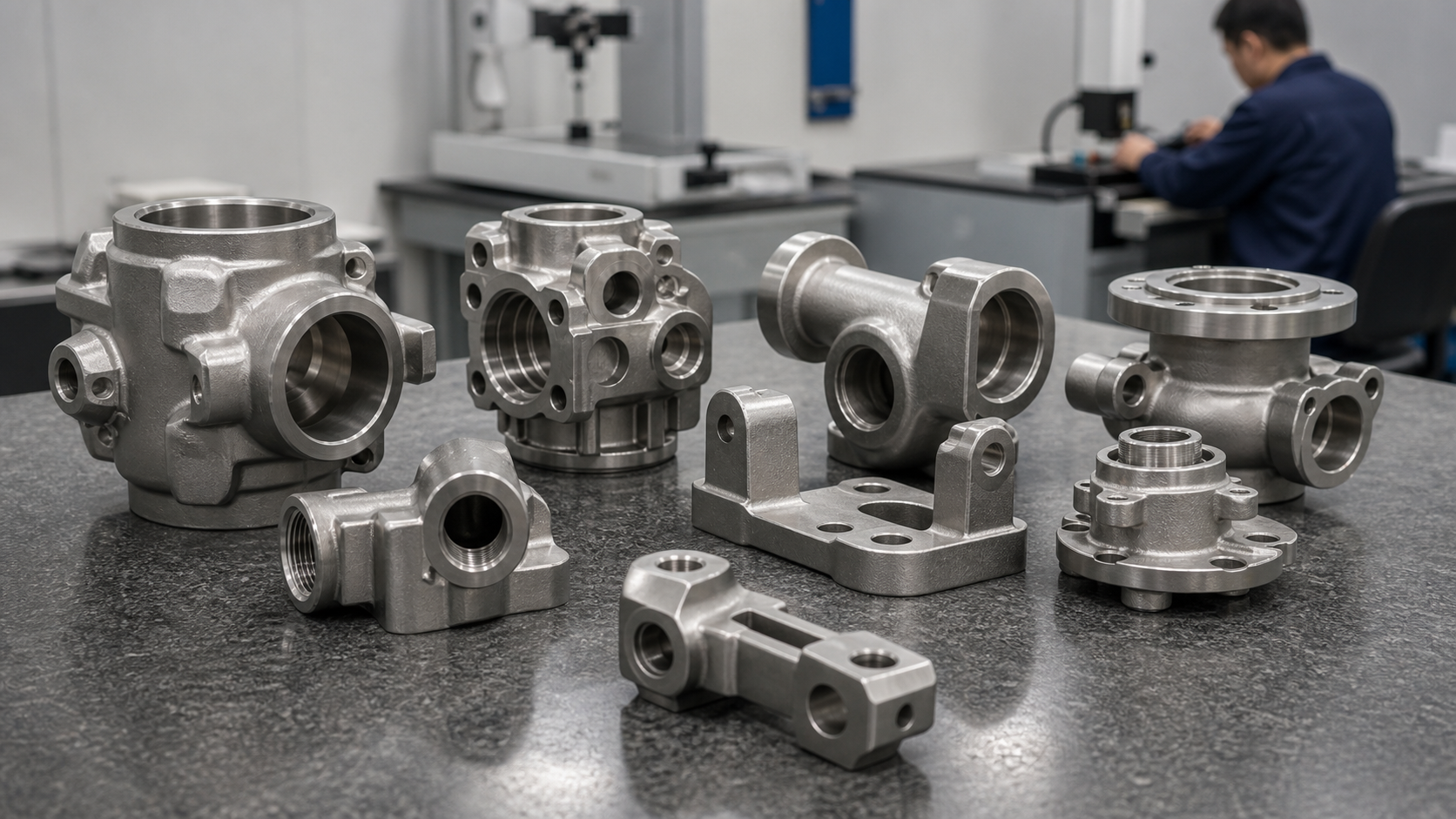
One useful habit is to classify requirements into three groups: functional, manufacturing, and cosmetic. Functional requirements include strength, sealing, assembly, corrosion resistance, and temperature. Manufacturing requirements include tolerance, machining allowance, and inspection method. Cosmetic requirements include surface finish, visible defects, polishing, and packaging. When these are separated clearly, quotation and sample approval become much smoother.
Why Long-Term Partnership Matters
Investment casting projects improve with accumulated knowledge. The first order teaches the foundry about your drawing habits, assembly concerns, inspection preferences, packaging needs, and approval process. A supplier that records and uses this knowledge can improve stability over time.
Long-term cooperation is especially valuable for repeat OEM parts, product families, and industrial assemblies. Once the foundry understands the function of the part, it can give better feedback on drawing changes, cost reduction, machining sequence, material substitution, and delivery planning. This does not mean accepting poor performance because of history. It means choosing a supplier that treats history as manufacturing data.
For buyers handling related product lines such as fasteners, pump parts, machinery components, valve parts, or coffee machine parts, a stable supplier can also help standardize materials, finishes, packaging, and inspection documents across multiple components.
The right foundry should be willing to discuss problems directly. Casting defects, machining difficulties, and schedule pressure can happen in real production. The difference is whether the supplier hides them late or reports them early with a corrective plan. For long-term industrial sourcing, that honesty has real value.
FAQ
What is the most important factor when choosing an investment casting foundry?
Engineering capability is usually the first factor. A foundry that can review manufacturability, tolerance, material, machining, and inspection requirements before tooling will reduce risk throughout the project.
Is ISO certification enough to qualify a foundry?
No. ISO certification is useful, but buyers should also check actual inspection equipment, material traceability, process control, sample reports, and experience with similar parts.
Should I choose a foundry with in-house CNC machining?
For machined castings, in-house CNC is often a strong advantage. It improves control over datum planning, machining allowance, schedule, and responsibility when problems occur.
What information should I send for an accurate quotation?
Send 2D drawings, 3D files, material grade, annual quantity, tolerance requirements, surface finish, heat treatment, inspection requirements, application, and any certificates needed.
Can investment casting hold tight tolerances without machining?
Some dimensions can be controlled well as-cast, but tight sealing, bearing, thread, and assembly dimensions usually require machining. The foundry should identify this during drawing review.
How do I verify stainless steel investment casting material?
Ask for spectrometer records, PMI where required, heat number traceability, and material certificates such as EN10204 3.1 if your project requires formal documentation.
What is the difference between a lost wax casting supplier and an investment casting manufacturer?
The terms often refer to the same process. The more important distinction is capability: engineering review, tooling, wax, shell, pouring, heat treatment, machining, inspection, and documentation.
When should PPAP be requested?
PPAP is common in automotive and some OEM supply chains. Request it when your customer or internal quality system requires formal production approval documents.
How long does a new custom investment casting project usually take?
Timing depends on tooling complexity, alloy, sample approval, machining, and testing. Many projects require separate time for tooling, first samples, inspection review, corrections, and production.
Can one foundry handle both prototypes and mass production?
Some can. Buyers should confirm prototype method, sample inspection, tooling strategy, and whether the process used for samples can transition reliably into production.
Need help evaluating your casting project?
Upload your drawings or specifications and our engineering team will review manufacturability, material selection and production feasibility before quotation.