




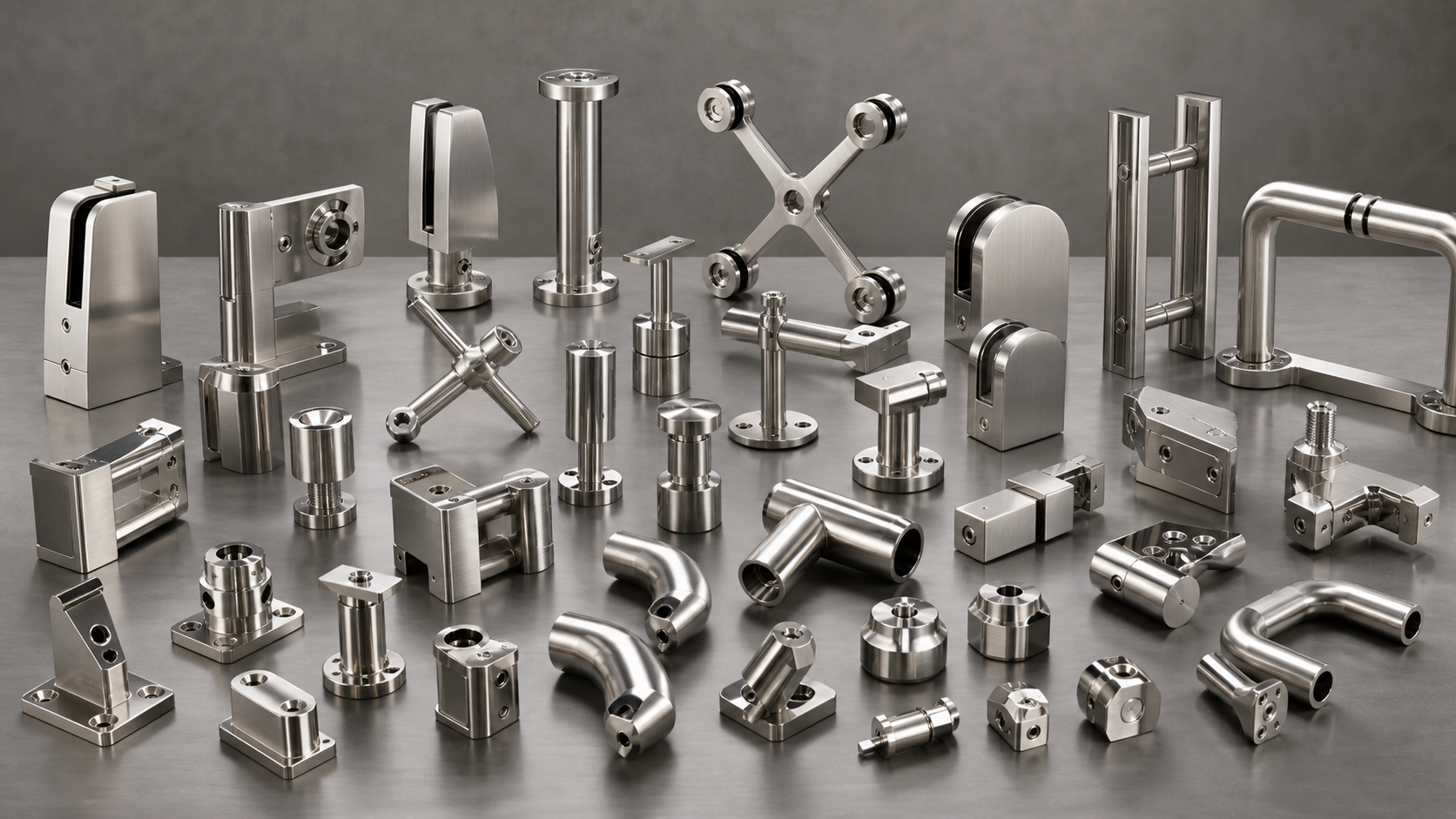
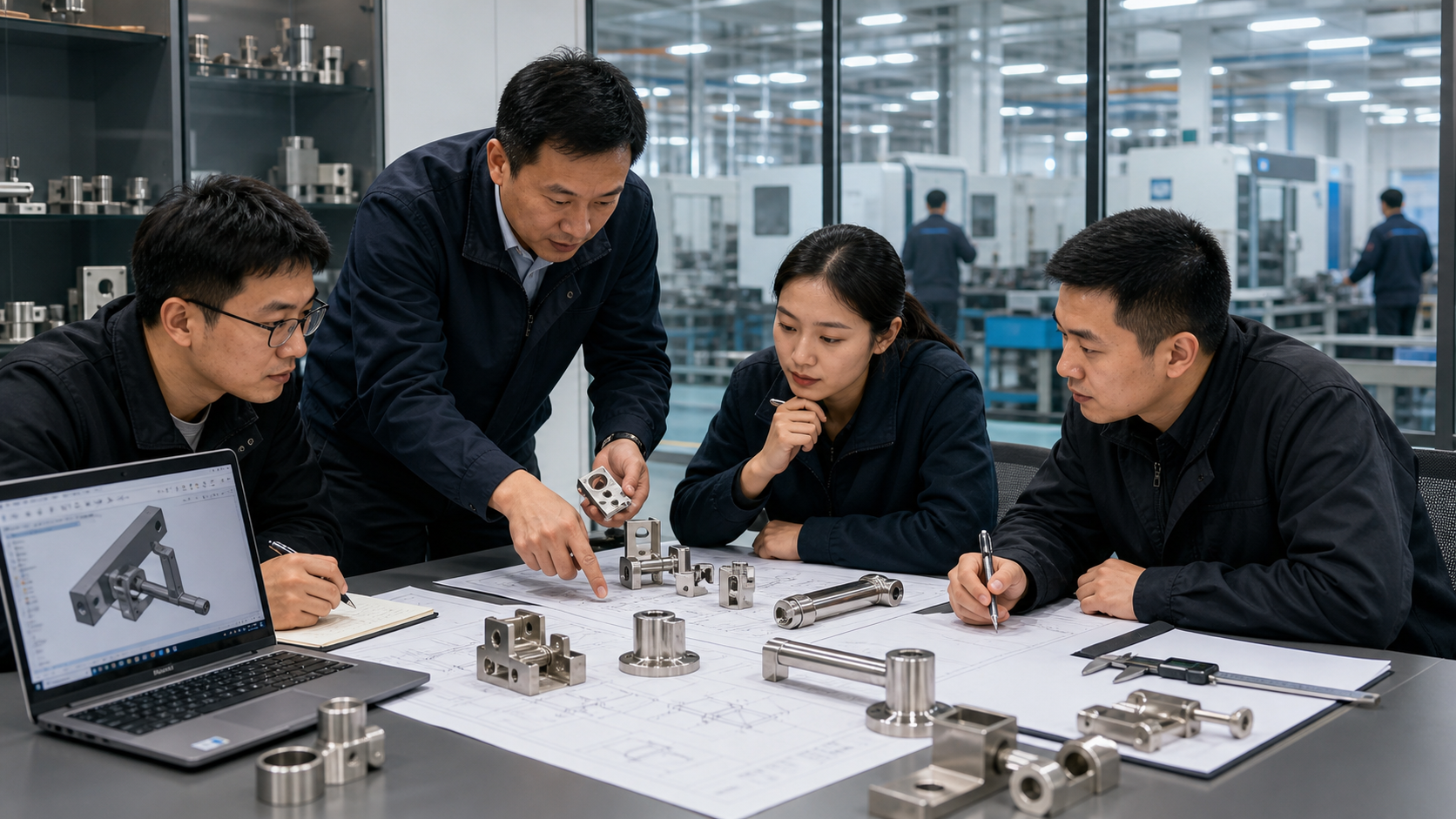
OEM manufacturing of custom architectural hardware turns a project requirement, drawing, sample or brand concept into a finished stainless steel component ready for installation. For architects and engineers, OEM production makes it possible to solve specific design and performance problems. For distributors and brand owners, it creates repeatable product families with controlled quality, finish and packaging.
AODSON supports OEM stainless steel architectural hardware through engineering review, design for manufacturability, precision investment casting, CNC machining, welding, surface finishing, inspection and export packaging. This article explains the OEM workflow and what buyers should prepare before starting a custom hardware project.
Author: AODSON Engineering Team
Last Updated: July 4, 2026
Table of Contents
- What Is OEM Manufacturing for Architectural Hardware?
- Benefits of OEM Manufacturing
- Typical Custom Architectural Hardware
- OEM Development Workflow
- Design for Manufacturability
- Material Selection
- Manufacturing Processes
- Quality Control and Traceability
- Packaging and Global Export
- FAQ
What Is OEM Manufacturing for Architectural Hardware?
OEM manufacturing means producing hardware according to a customer’s design, specification, sample or private-label requirement. In architectural hardware, this can include glass clamps, handrail fittings, spider fittings, brackets, base plates, door handles, balustrade connectors and custom stainless steel parts for building systems.
The goal is not only to make a part that looks correct. The part must fit the installation, meet corrosion and strength expectations, match the specified finish, pass inspection and arrive without damage. That requires engineering communication before production starts.
Benefits of OEM Manufacturing
OEM manufacturing gives buyers more control than purchasing off-the-shelf hardware. It allows the part geometry, material, finish, packaging and inspection standard to match the actual project or product line.
- Custom geometry for project-specific installation requirements.
- Material selection for indoor, outdoor, coastal or severe environments.
- Controlled finish samples for consistent batch appearance.
- Repeatable production for distributors, importers and brand owners.
- Packaging and labeling adapted for global export and customer receiving.
Typical Custom Architectural Hardware
| Hardware Type | Common Customization | Typical Manufacturing Route |
|---|---|---|
| Glass clamps | Shape, glass thickness, screw type, finish | Investment casting + CNC machining + polishing |
| Handrail fittings | Tube size, angle, connector style, finish | Casting, machining, welding and finishing |
| Spider fittings | Arm geometry, hole pattern, load requirement | Investment casting + CNC machining |
| Door handles | Length, profile, mounting method, surface finish | Casting, machining or fabrication + polishing |
| Brackets and base plates | Thickness, hole pattern, structural interface | CNC machining, casting or welded assembly |
| Custom connectors | Project-specific geometry and tolerance | DFM-based process selection |
For related product context, see AODSON’s architectural hardware capabilities, Stainless Steel Glass Clamps and Stainless Steel Handrail Fittings.
OEM Development Workflow
| Stage | Buyer Input | AODSON Output |
|---|---|---|
| Requirement review | Drawing, sample, use environment, target quantity | Initial feasibility and process suggestion |
| DFM review | Critical dimensions, finish, load or fit notes | Design improvement suggestions and manufacturing plan |
| Quotation | Material, quantity, inspection and packaging needs | Price, tooling notes, lead time and process scope |
| Sampling | Approval criteria and sample feedback | Prototype or pre-production sample |
| Production | Purchase order and approved standard | Controlled batch production |
| Inspection and export | Documentation and packing requirements | Inspection records, protected packaging and shipment prep |
Design for Manufacturability
DFM is the step where a custom design becomes manufacturable. For architectural hardware, DFM reviews wall thickness, radii, machining allowance, thread depth, hole positions, welding access, polishing direction, visible surfaces and inspection method. Good DFM preserves design intent while reducing production risk.
For casting-based projects, DFM may adjust draft, gates, shrinkage allowance and machining stock. For machined parts, it may improve datum strategy, tool access and tolerance clarity. For assemblies, it may define fixtures and weld sequence.
Material Selection: 304, 316 and Duplex 2205
| Material | Best Use | Advantages | Buyer Notes |
|---|---|---|---|
| 304 stainless steel | Indoor and mild environments | Cost-effective, available, good general corrosion resistance | Not ideal for chloride-rich outdoor sites |
| 316 stainless steel | Outdoor, humid and many coastal projects | Improved chloride resistance | Common for premium exposed architectural hardware |
| Duplex 2205 | High-strength or severe-corrosion projects | High strength and strong corrosion resistance | Requires careful casting, machining and welding control |
For more detail, read 304 vs 316 Stainless Steel Architectural Hardware and 316L vs 2205 Stainless Steel Castings.
Manufacturing Processes
Investment Casting
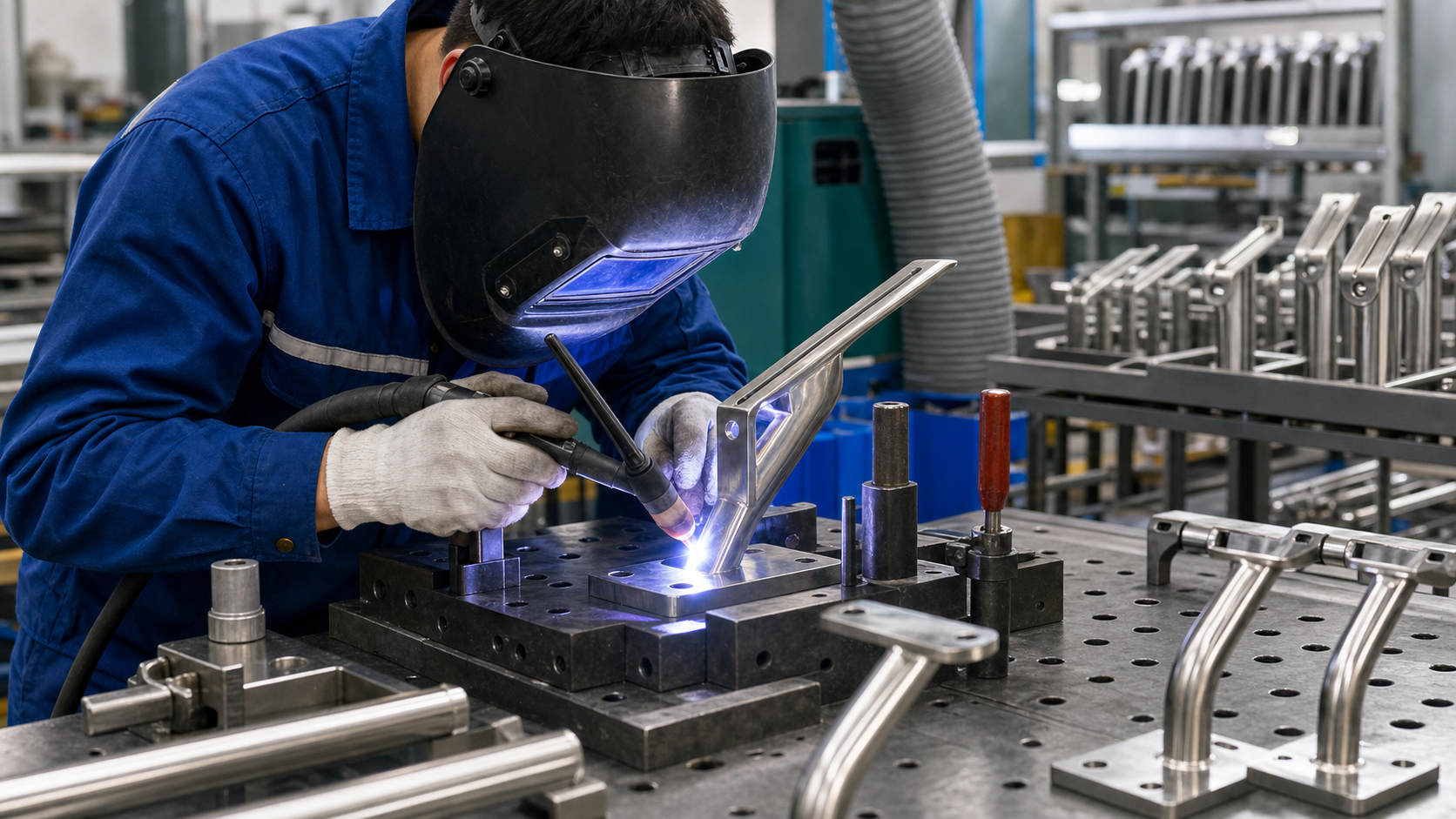
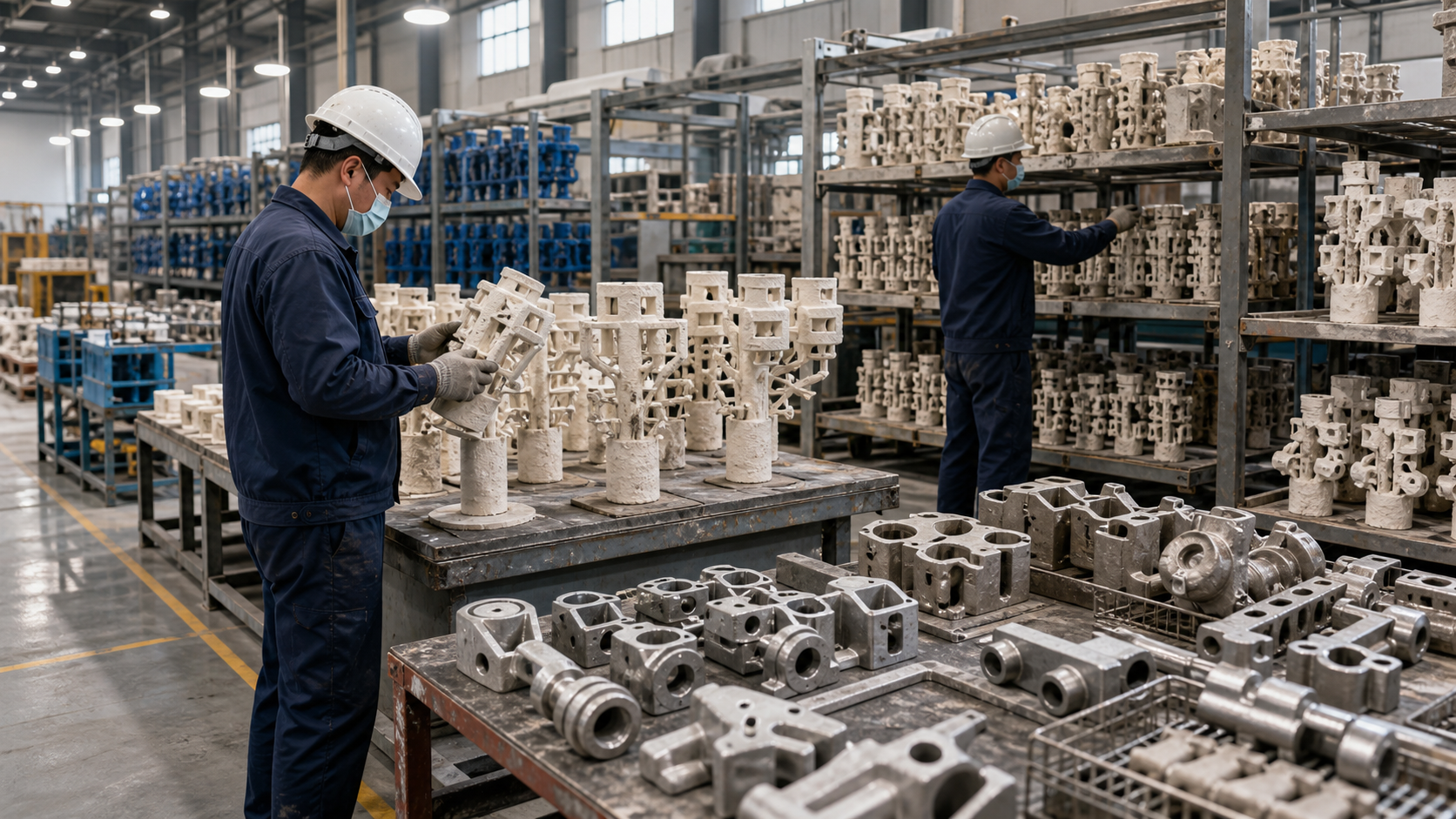
Investment casting is suitable for complex stainless steel shapes such as glass clamps, spider fittings, handrail connectors and custom brackets. It creates near-net blanks that can then be machined and finished. See Investment Casting for Architectural Hardware for a deeper process explanation.
CNC Machining
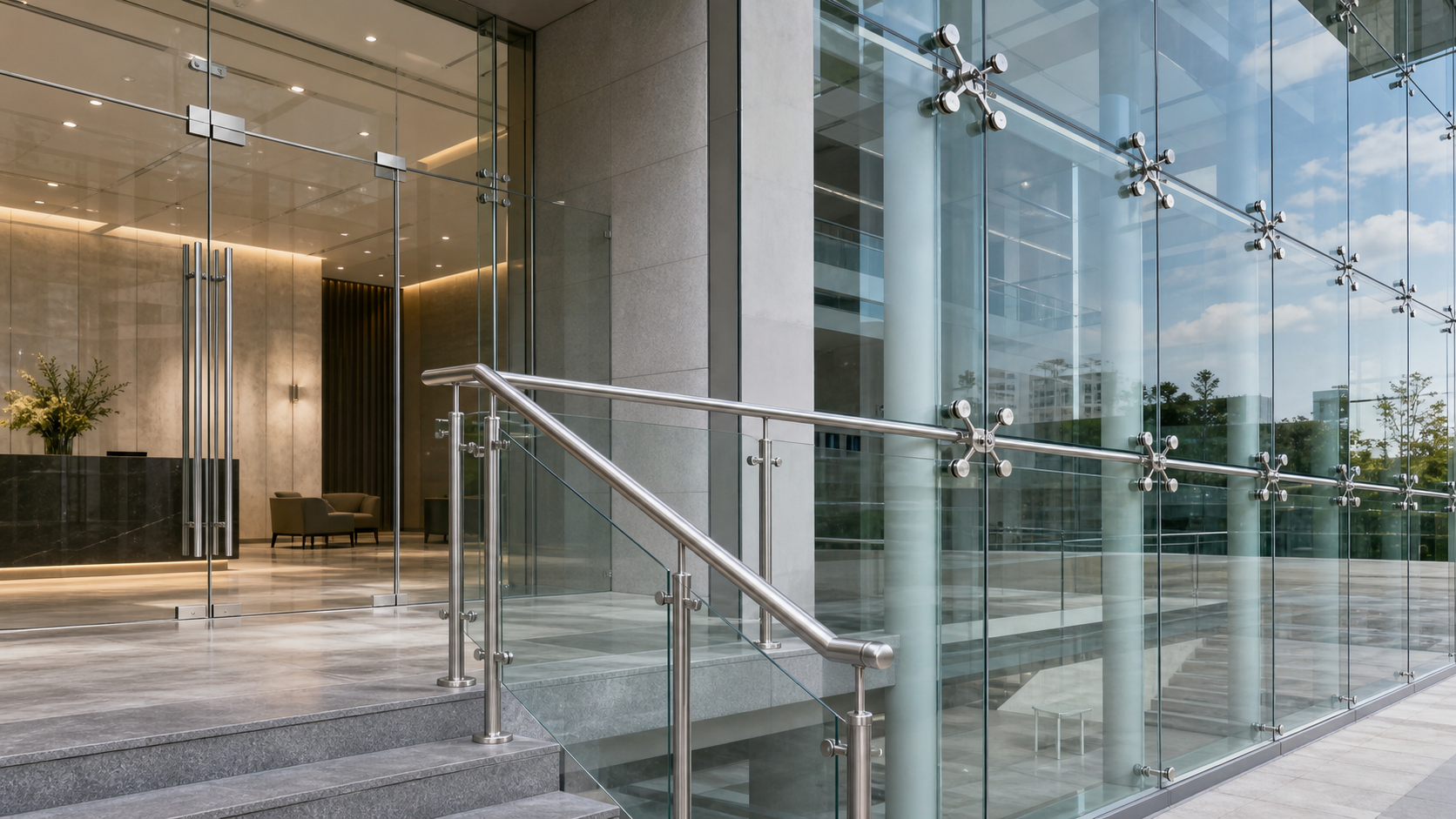
CNC machining is used for precision features that casting or fabrication cannot reliably hold alone. Holes, threads, flat faces, gasket seats and datum surfaces are typical machined features.
Welding and Assembly
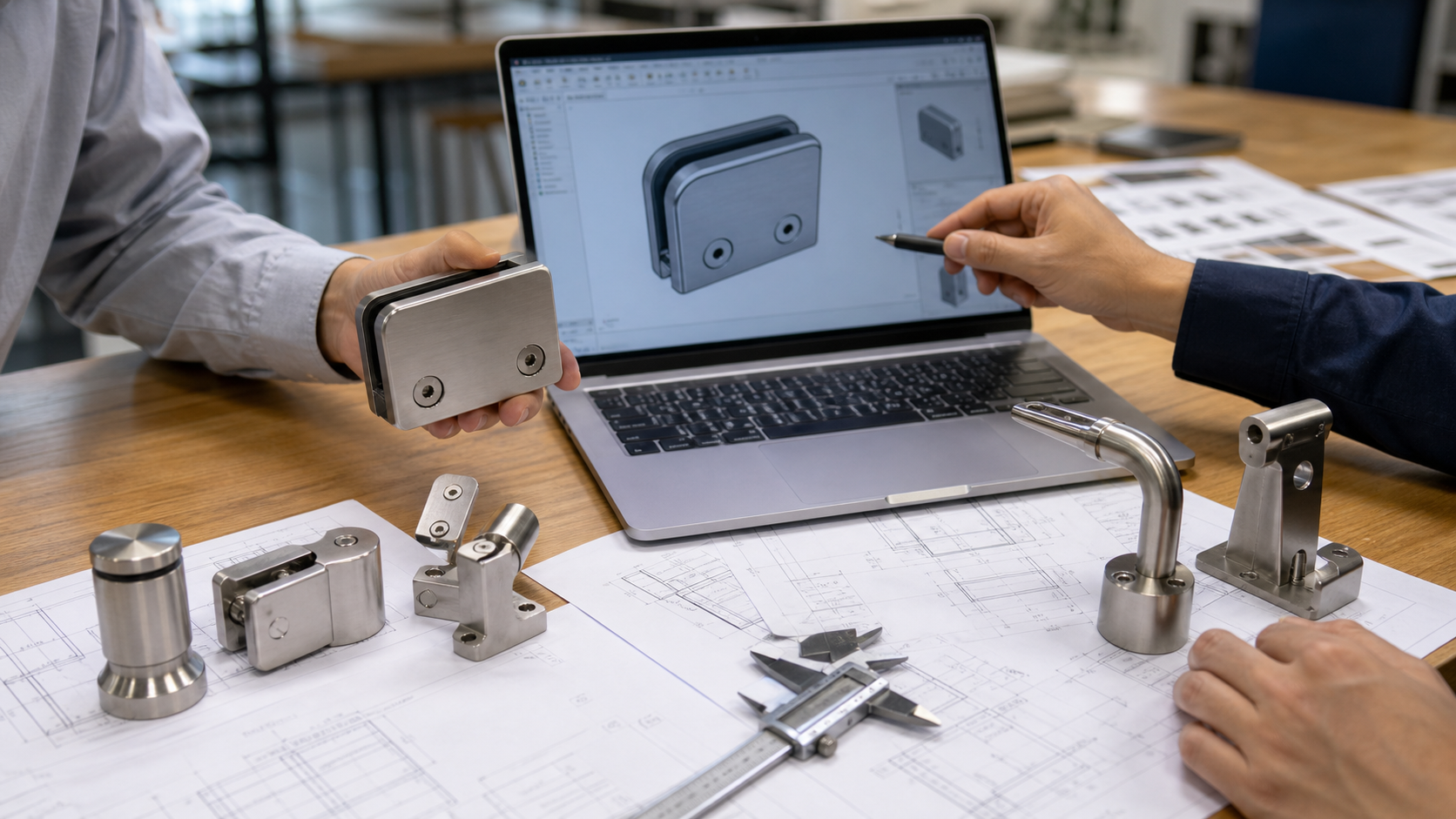
Welding is used for brackets, supports and custom assemblies. Good welding control considers joint fit-up, heat input, distortion, fixture design, post-weld cleaning and final dimensional inspection.
Surface Finishing
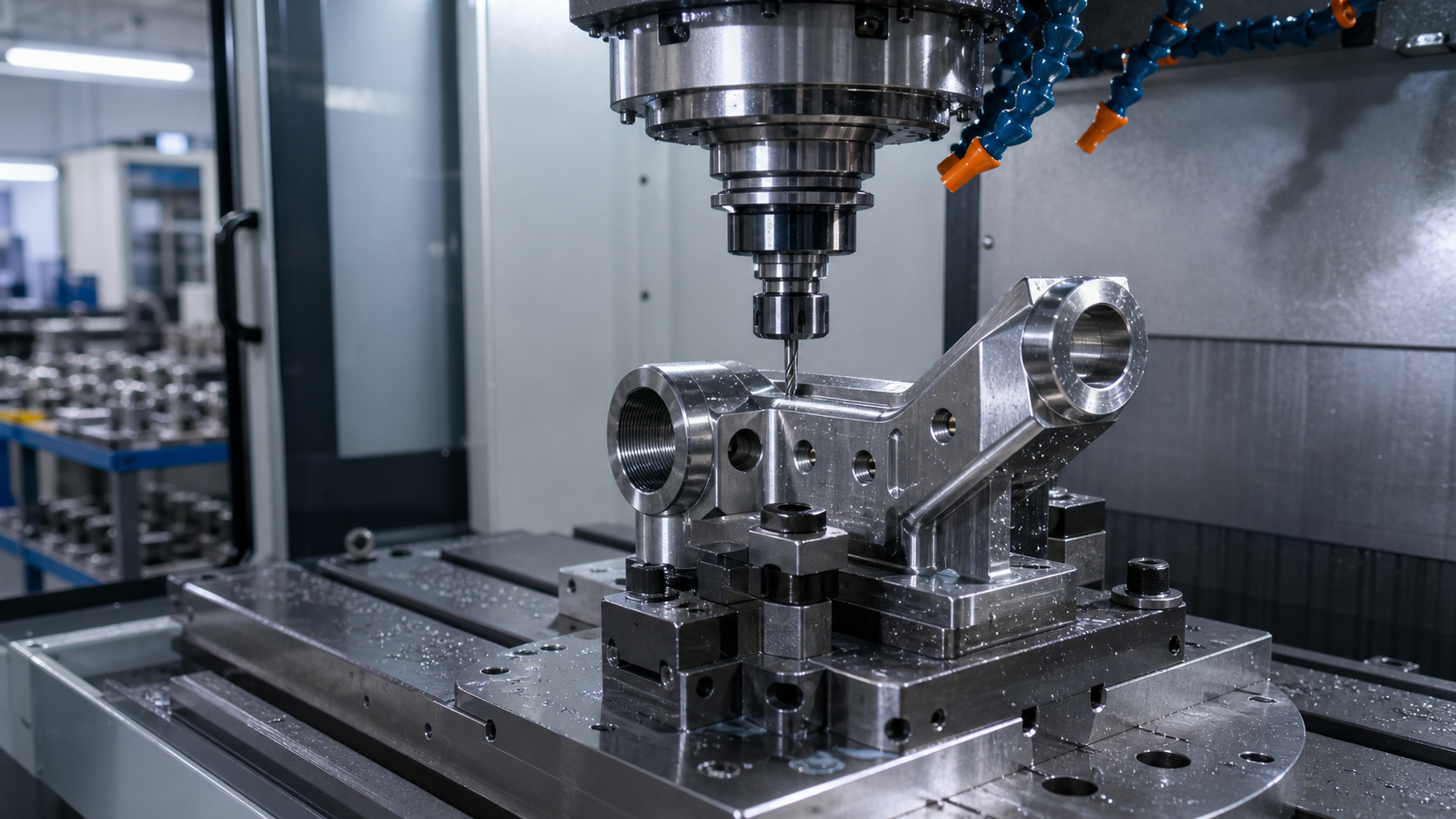
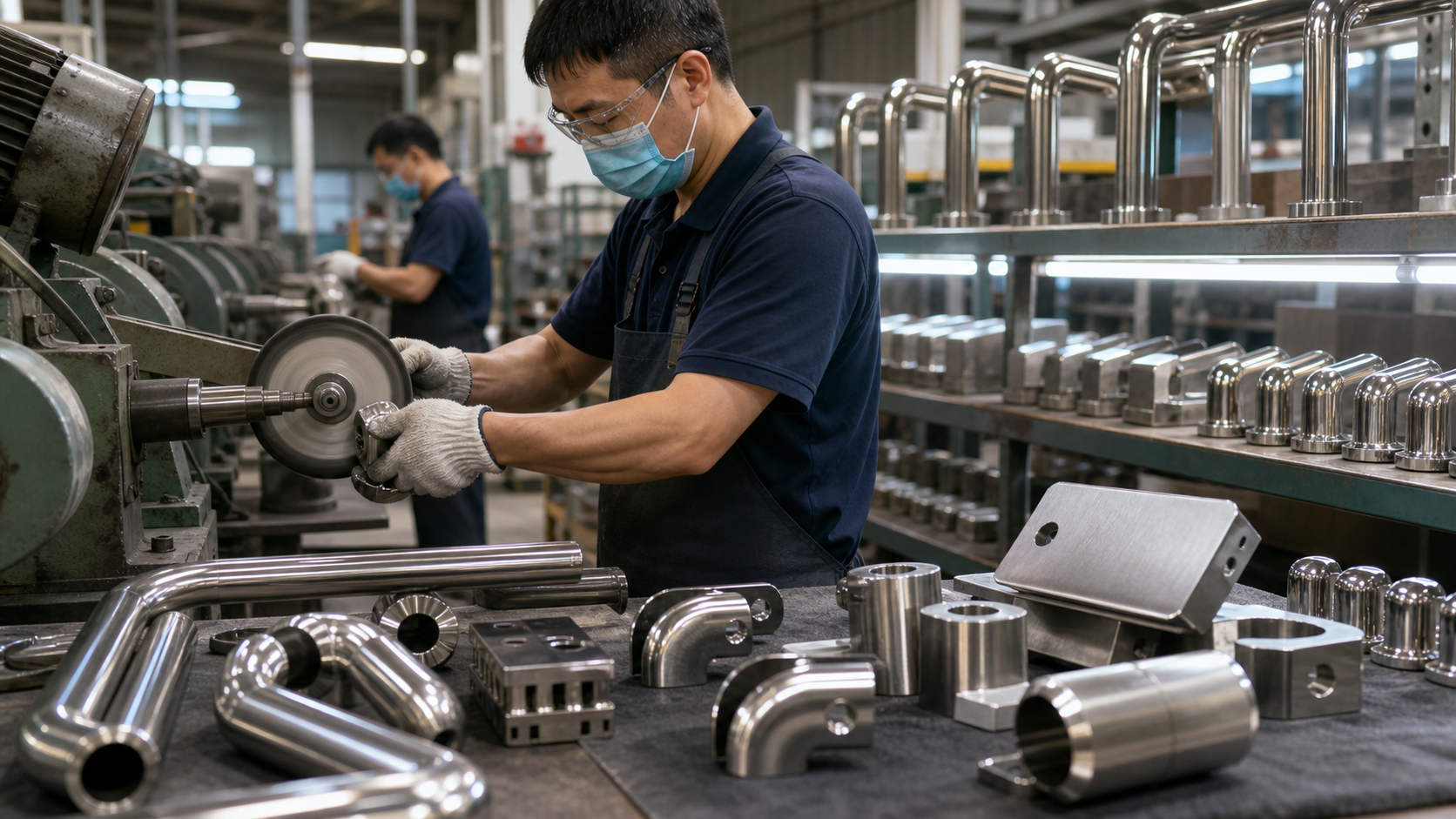
Finish options can include satin finish, mirror polish, passivation, electropolishing or coating preparation. Finish selection should be tied to application, maintenance and material grade. For comparison, see Mirror Polish vs Satin Finish.
| Method | Best For | Limitations | OEM Value |
|---|---|---|---|
| Investment casting | Complex shapes and repeatable stainless parts | Requires tooling and process control | Efficient for custom geometry and batch production |
| CNC machining | Precision holes, threads and mating faces | Can waste material on complex shapes | Critical for tolerances and installation fit |
| Welding/fabrication | Assemblies, frames and supports | Distortion and weld finishing must be managed | Flexible for larger custom structures |
| Surface finishing | Visible hardware and corrosion-related surfaces | Requires sample approval and inspection | Defines final appearance and user perception |
Quality Control and Material Traceability
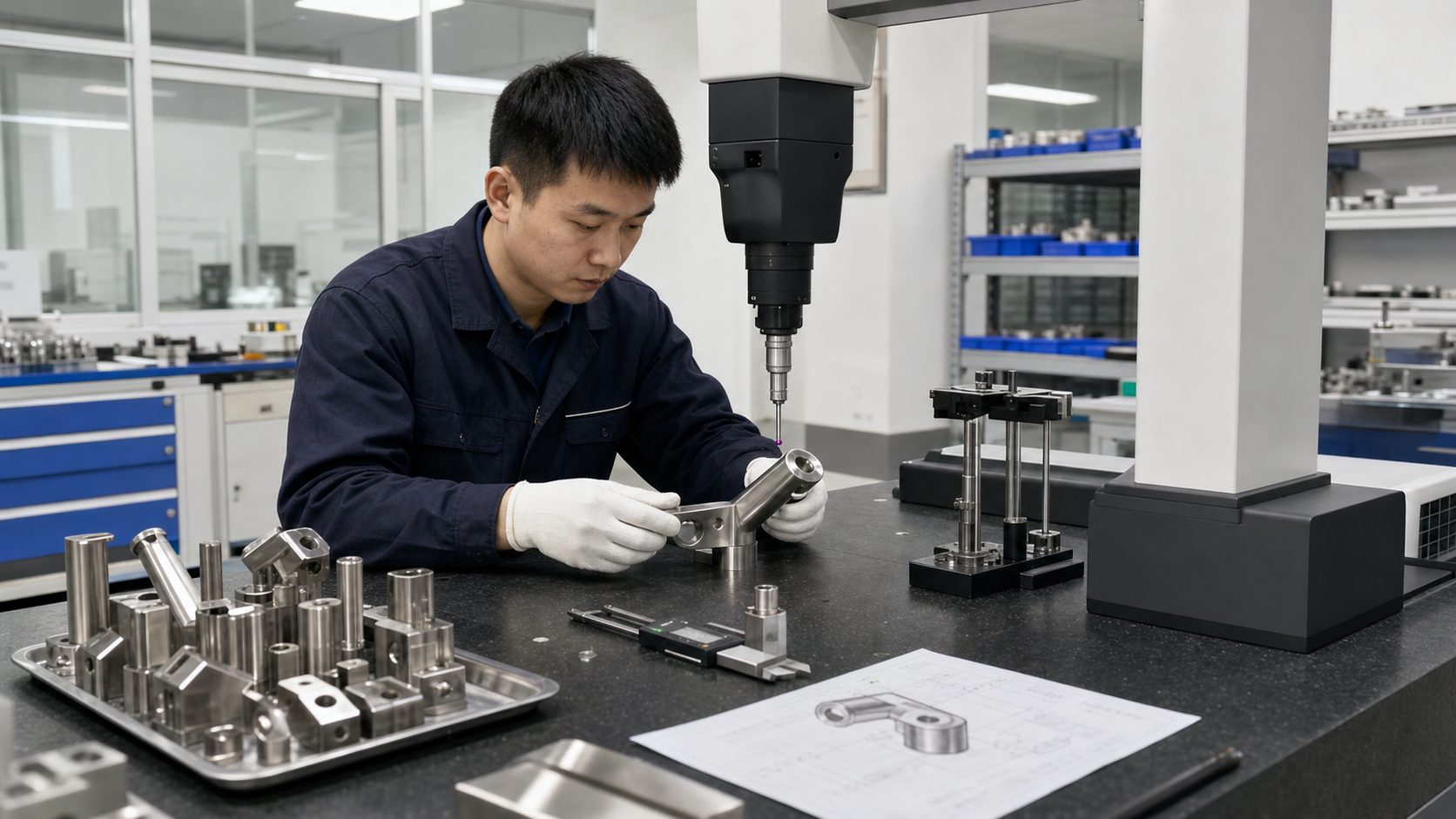
| Inspection Item | What to Check | Why It Matters |
|---|---|---|
| Material traceability | Grade, heat number, certificate | Confirms corrosion and strength basis |
| Dimensions | Critical holes, faces, thickness and angles | Controls installation fit and repeatability |
| Threads and assembly | Thread gauge, engagement, mating part fit | Prevents site assembly problems |
| Surface finish | Grain, polish level, scratches and contamination | Protects appearance and corrosion performance |
| Packaging | Protection, labels, carton strength and pallet plan | Reduces export shipping damage |
AODSON’s quality control process supports OEM production with inspection tied to drawings, samples and agreed acceptance criteria.
Packaging and Global Export
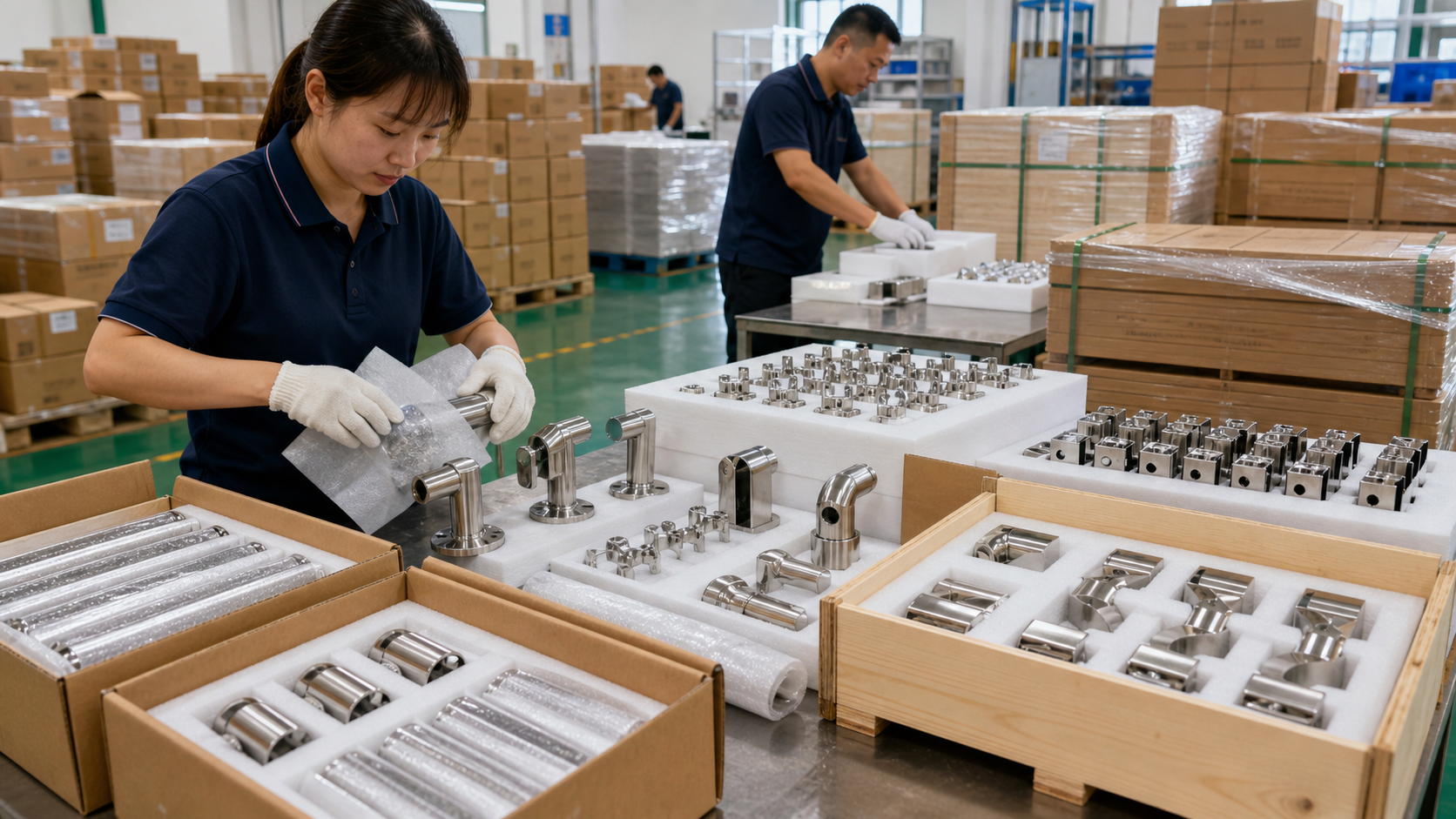
Export packaging is part of the product, especially for polished stainless steel hardware. Parts may need individual sleeves, foam inserts, dividers, protective film, reinforced cartons, pallets or wooden crates. Packaging should be designed around the finish, weight, quantity and receiving method.
Why Choose AODSON as Your OEM Partner
AODSON combines engineering communication, stainless steel manufacturing, investment casting, CNC machining, welding, surface finishing, quality inspection and export preparation. This integrated route helps OEM buyers reduce coordination risk and keep process responsibility clear.
For custom architectural hardware projects, AODSON can review drawings or samples, recommend a process route, produce samples, manage production and prepare export-ready packaging. To start, send drawings, 3D files, samples, material grade, finish requirement, quantity and application environment through Request a Quote or Contact AODSON.
Frequently Asked Questions
What is OEM manufacturing for architectural hardware?
It is custom production of architectural hardware based on drawings, samples, specifications or brand requirements, covering design review, manufacturing, finishing, inspection and packaging.
What custom architectural hardware can be manufactured by OEM?
Common OEM products include glass clamps, handrail fittings, spider fittings, door handles, brackets, base plates, balustrade connectors and project-specific stainless steel components.
What files are needed to start an OEM project?
Useful inputs include 2D drawings, 3D files, samples, material grade, finish requirement, application environment, annual quantity, tolerance notes and packaging requirements.
Why is DFM important for custom architectural hardware?
DFM helps optimize geometry, wall thickness, machining allowance, tooling, assembly, finishing and inspection before production, reducing cost and avoiding installation problems.
Which materials are common for OEM architectural hardware?
304 stainless steel, 316 stainless steel and duplex 2205 are common choices, depending on indoor or outdoor use, corrosion exposure, strength and cost.
When should investment casting be used?
Investment casting is useful for complex stainless steel shapes such as glass clamps, handrail connectors, spider fittings and custom brackets that would be inefficient to machine fully from solid stock.
Why is CNC machining still needed after casting?
CNC machining controls holes, threads, flat faces, gasket seats and mating interfaces that require tighter tolerances than casting alone can provide.
Can OEM hardware be mirror polished or satin finished?
Yes. OEM stainless steel architectural hardware can be satin finished, mirror polished, passivated, electropolished or prepared for coating depending on the project specification.
How is OEM hardware quality controlled?
Quality control can include material certificates, dimensional inspection, CMM checks, thread gauges, surface inspection, fit checks, assembly review and final packaging inspection.
Can AODSON export custom architectural hardware globally?
Yes. AODSON supports export packaging, batch traceability and manufacturing documentation for OEM customers, distributors and project buyers.
Conclusion
OEM manufacturing of custom architectural hardware is a structured process, not simply a request for a non-standard part. Successful projects define the application, material, finish, tolerances, inspection requirements and packaging expectations before production.
With engineering review, DFM support, investment casting, CNC machining, welding, surface finishing, inspection and export experience, AODSON helps OEM customers turn stainless steel hardware concepts into finished components for modern building projects.
Need OEM custom stainless steel architectural hardware? Send your drawings, samples or requirements through Request a Quote or Contact.
{“@context”:”https://schema.org”,”@type”:”FAQPage”,”mainEntity”:[{“@type”:”Question”,”name”:”What is OEM manufacturing for architectural hardware?”,”acceptedAnswer”:{“@type”:”Answer”,”text”:”It is the custom production of architectural hardware based on a buyer’s drawings, samples, specifications or brand requirements, covering design review, manufacturing, finishing, inspection and packaging.”}},{“@type”:”Question”,”name”:”What custom architectural hardware can be manufactured by OEM?”,”acceptedAnswer”:{“@type”:”Answer”,”text”:”Common OEM products include glass clamps, handrail fittings, spider fittings, door handles, brackets, base plates, balustrade connectors and project-specific stainless steel components.”}},{“@type”:”Question”,”name”:”What files are needed to start an OEM project?”,”acceptedAnswer”:{“@type”:”Answer”,”text”:”Useful inputs include 2D drawings, 3D files, samples, material grade, finish requirement, application environment, annual quantity, tolerance notes and packaging requirements.”}},{“@type”:”Question”,”name”:”Why is DFM important for custom architectural hardware?”,”acceptedAnswer”:{“@type”:”Answer”,”text”:”DFM helps optimize geometry, wall thickness, machining allowance, tooling, assembly, finishing and inspection before production, reducing cost and avoiding installation problems.”}},{“@type”:”Question”,”name”:”Which materials are common for OEM architectural hardware?”,”acceptedAnswer”:{“@type”:”Answer”,”text”:”304 stainless steel, 316 stainless steel and duplex 2205 are common choices, depending on indoor or outdoor use, corrosion exposure, strength and cost.”}},{“@type”:”Question”,”name”:”When should investment casting be used?”,”acceptedAnswer”:{“@type”:”Answer”,”text”:”Investment casting is useful for complex stainless steel shapes such as glass clamps, handrail connectors, spider fittings and custom brackets that would be inefficient to machine fully from solid stock.”}},{“@type”:”Question”,”name”:”Why is CNC machining still needed after casting?”,”acceptedAnswer”:{“@type”:”Answer”,”text”:”CNC machining controls holes, threads, flat faces, gasket seats and mating interfaces that require tighter tolerances than casting alone can provide.”}},{“@type”:”Question”,”name”:”Can OEM hardware be mirror polished or satin finished?”,”acceptedAnswer”:{“@type”:”Answer”,”text”:”Yes. OEM stainless steel architectural hardware can be satin finished, mirror polished, passivated, electropolished or prepared for coating depending on the project specification.”}},{“@type”:”Question”,”name”:”How is OEM hardware quality controlled?”,”acceptedAnswer”:{“@type”:”Answer”,”text”:”Quality control can include material certificates, dimensional inspection, CMM checks, thread gauges, surface inspection, fit checks, assembly review and final packaging inspection.”}},{“@type”:”Question”,”name”:”Can AODSON export custom architectural hardware globally?”,”acceptedAnswer”:{“@type”:”Answer”,”text”:”Yes. AODSON supports export packaging, batch traceability and manufacturing documentation for OEM customers, distributors and project buyers.”}}]}