Local Service, Global Capabilities.
Local Service, Global Capabilities.
2026-08-26
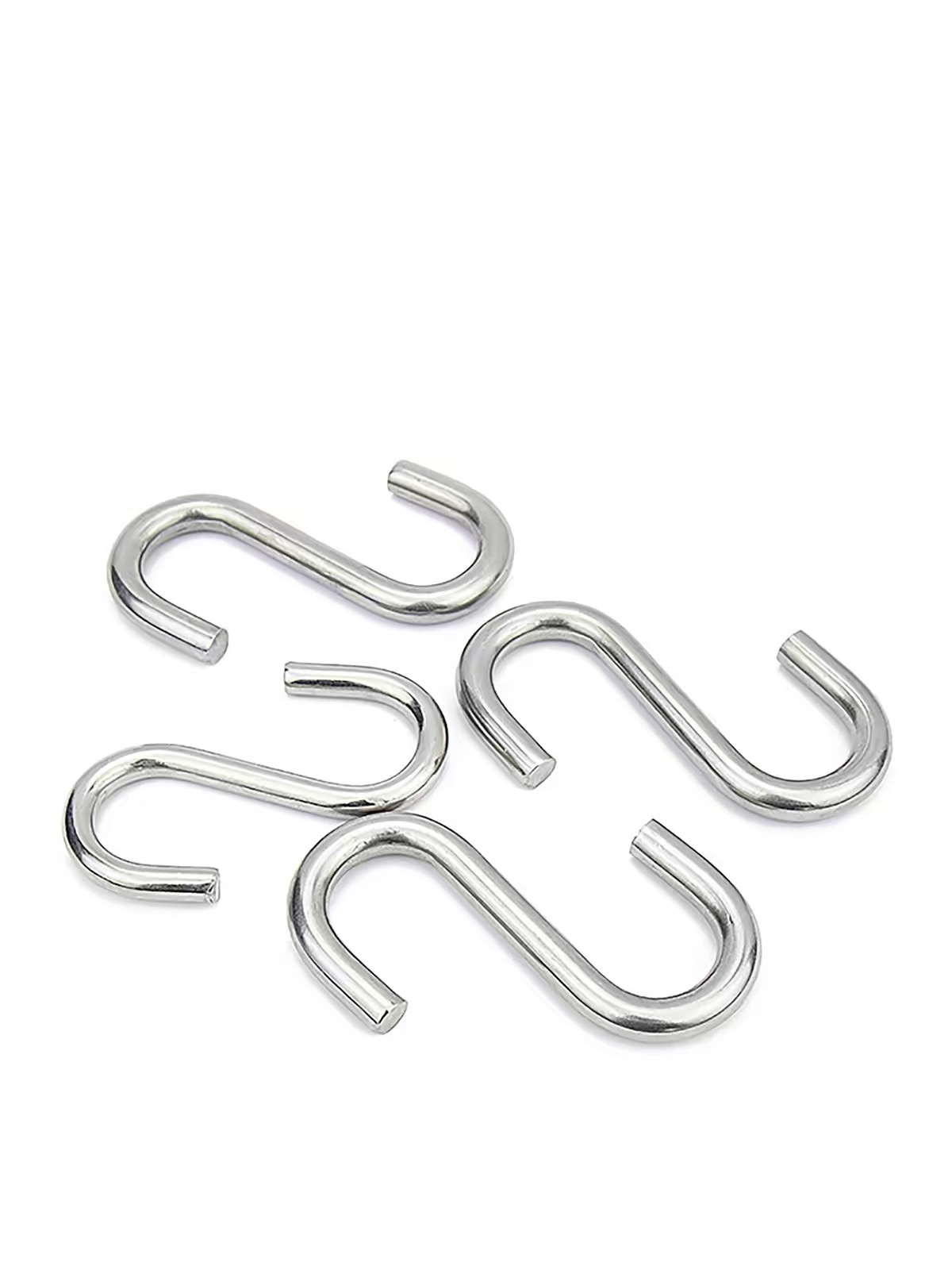
Custom 304 stainless steel S hooks for hanging, organizing and light-duty industrial connections, available in drawing-specific wire diameters, openings and lengths.
2026-08-23
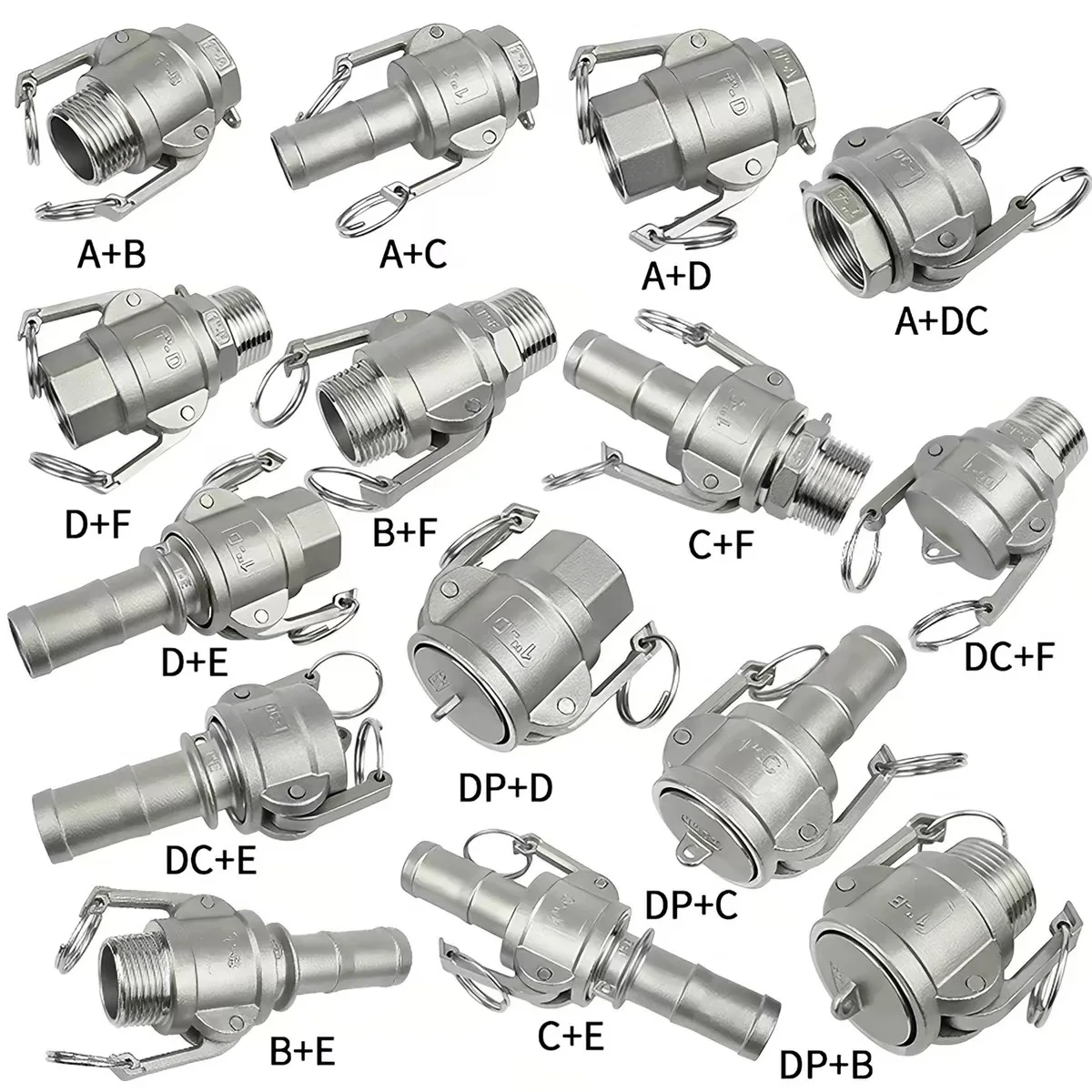
304 stainless steel camlock couplings in Type A, B, C, D, E, F, dust cap and dust plug configurations for hose, pipe, pump and tank connections.
2026-08-22
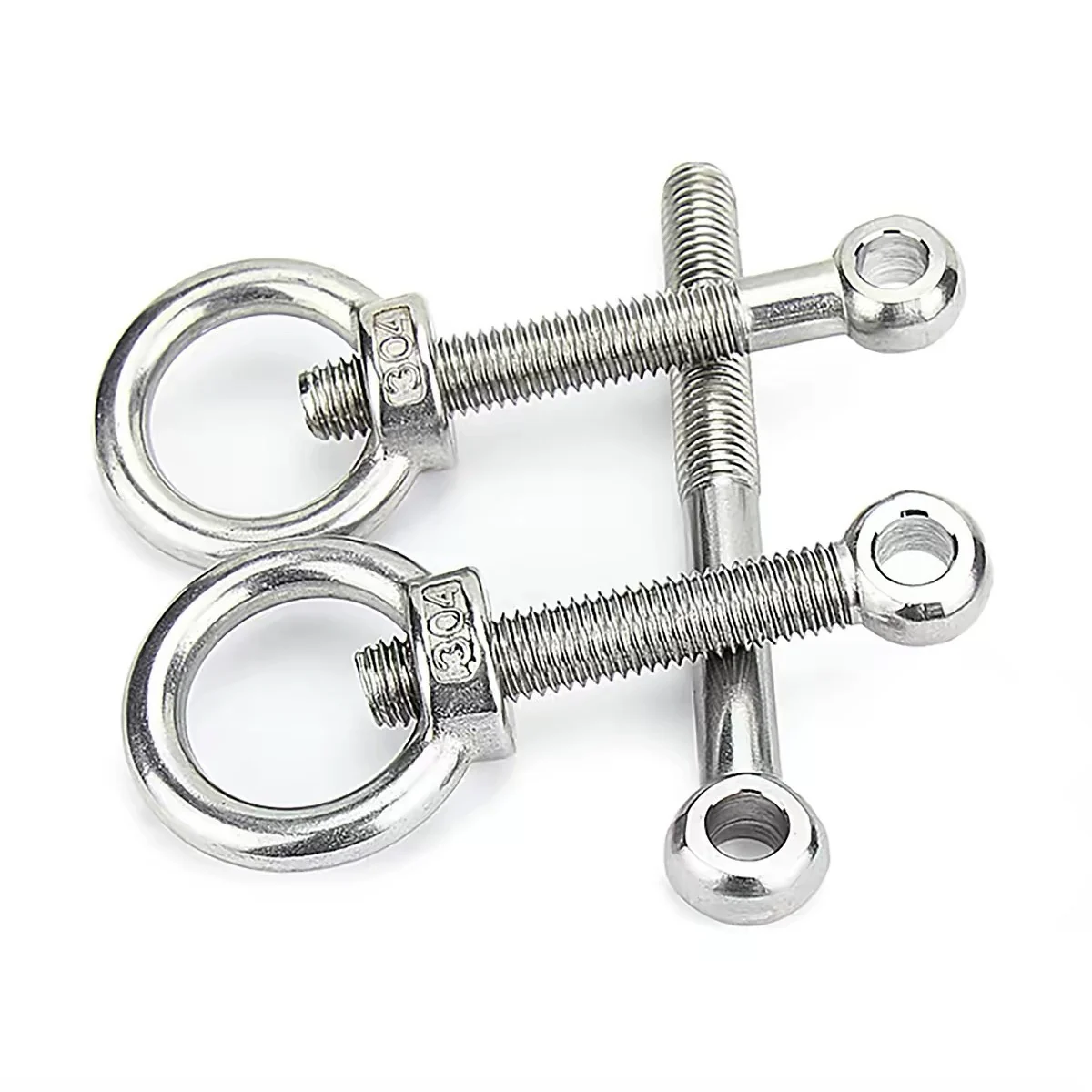
304 stainless steel eye bolts and female eye nuts for adjustable connections, tie rods, fixtures and custom hardware assemblies.
2026-06-04
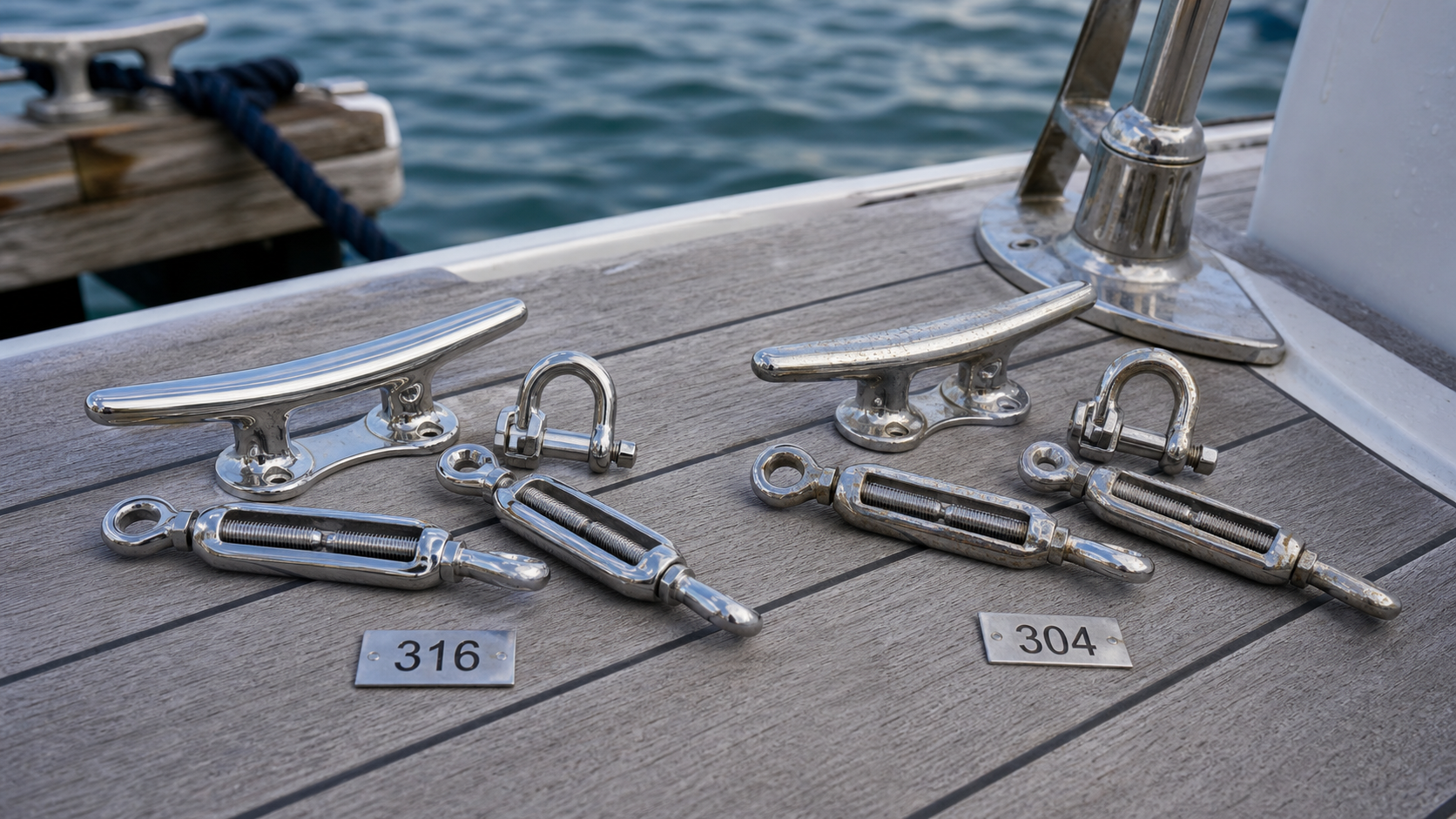
If you are choosing stainless steel hardware for a boat, the usual answer is quick: use 316. It is the grade most people expect to see on quality marine hardware because it resists salt better than 304. But the useful answer is a little more careful. 316 is better for most exposed boat fittings, especially in saltwater, yet it is not magic. Poor polishing, trapped seawater, mixed metals, bad weld cleaning, or stagnant crevices can make even 316 stain or pit. That is why a smart comparison of 316 vs 304 stainless steel marine hardware should look beyond the grade name. The real question is where the part is installed, how wet it stays, whether salt can dry on the surface, and how easy it is to rinse and inspect. Sourcing Custom Marine Hardware For an OEM fitting or a replacement component, start with the drawing or sample, installation location, material specification, finish and order quantity. Identify load-bearing features and the inspection requirements on the drawing. Review our custom marine hardware manufacturing services and marine hardware product range, then request a quote for your fitting. Include sample photographs if the part must match an existing assembly. Why Stainless Steel Is Used on Boats Marine hardware has to survive a hard combination of loads and chemistry. Cleats, shackles, turnbuckles, hinges, deck plates, bow eyes, rail fittings, fasteners, and rigging parts are pulled, vibrated, splashed, and handled constantly. Stainless steel is popular because it offers good strength, a clean appearance, and a naturally protective chromium oxide layer on the surface. That passive layer is the reason stainless steel looks so durable. When oxygen is available, the surface can repair itself after minor scratches. Saltwater changes the story. Chloride ions attack weak points in the passive film, especially inside small gaps where oxygen…