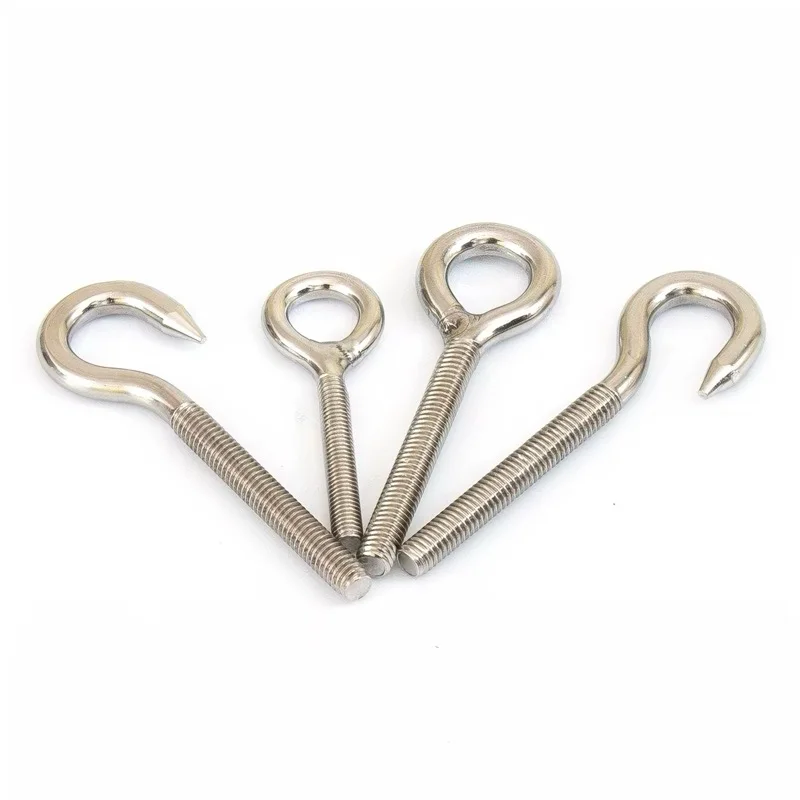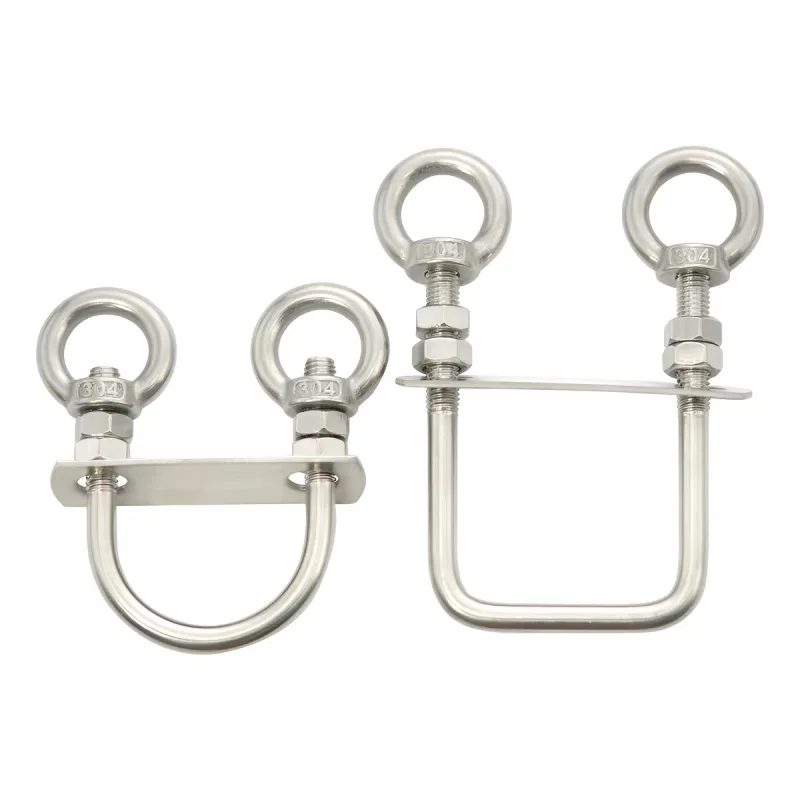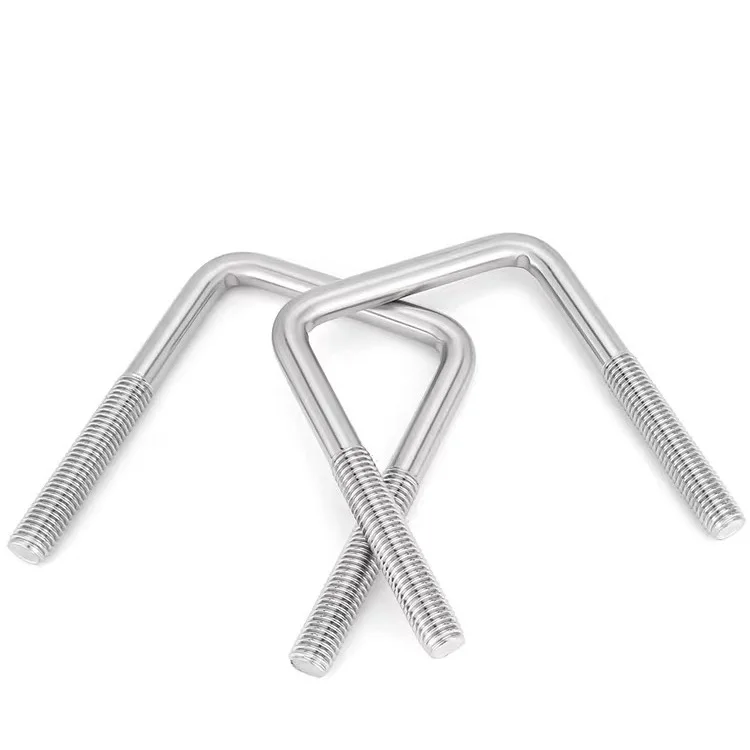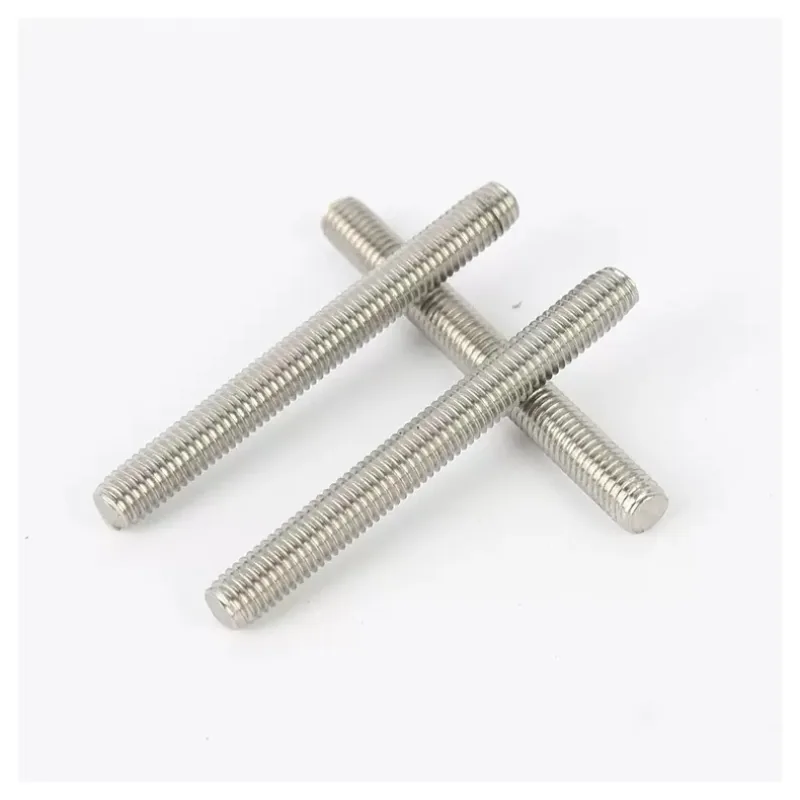




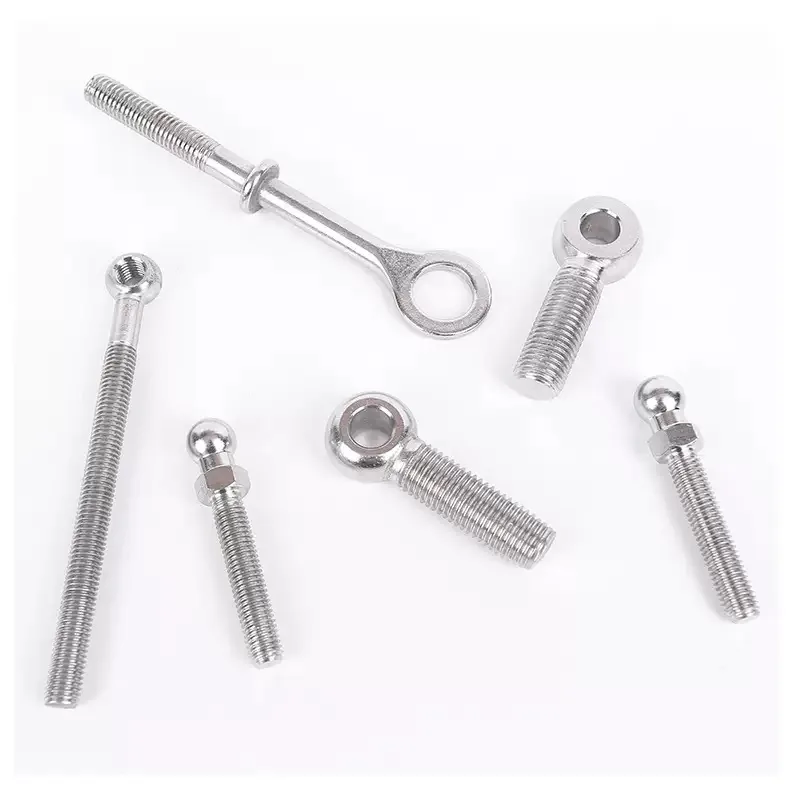
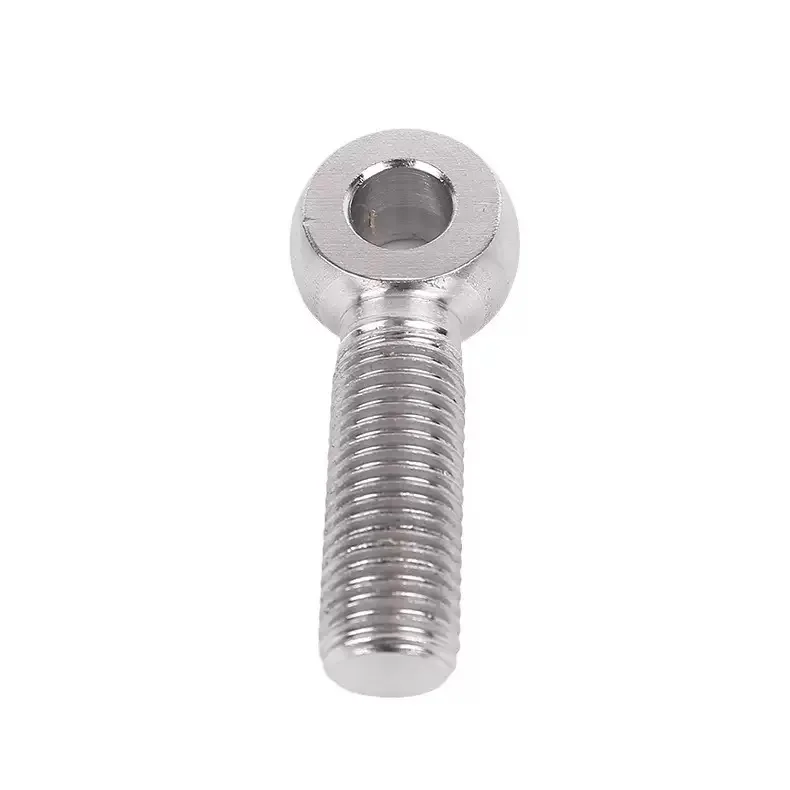
custom stainless steel eye bolts and ball-head linkage screws provide threaded connection points for pins, rods, brackets and adjustment mechanisms. Available geometries include solid machined eyes, formed loop ends, extended threaded shanks and ball-head styles with lock nuts. Final dimensions, material, load conditions and inspection are confirmed from the approved drawing.
Product Specifications and Custom Options
| Product type | Threaded eye bolt, rod-end eye screw or ball-head linkage screw |
|---|---|
| Material | Stainless steel grade selected for corrosion resistance, strength and operating environment |
| End styles | Solid eye, formed loop, ball head, shoulder or project-specific connector |
| Thread | Metric or inch series with drawing-specified diameter, pitch, class and engagement length |
| Manufacturing | Forming, machining and rolled or machined threads selected for geometry and volume |
| Finish | Cleaned, passivated, polished or project-specific |
| Customization | Eye bore, head thickness, shank length, shoulder, thread, lock nut and packaging |
Eye-End and Ball-Head Configurations
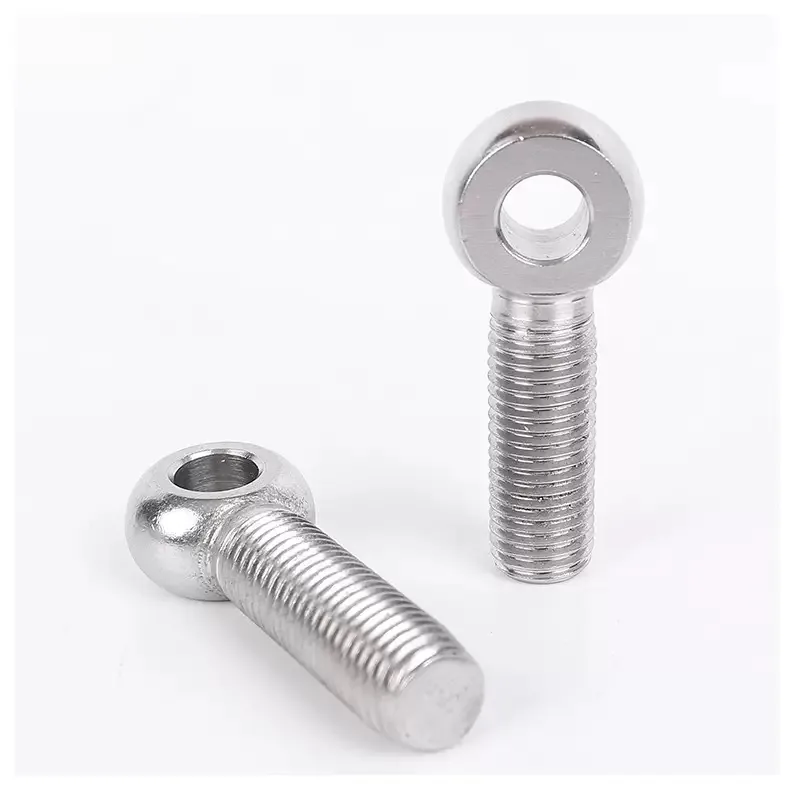
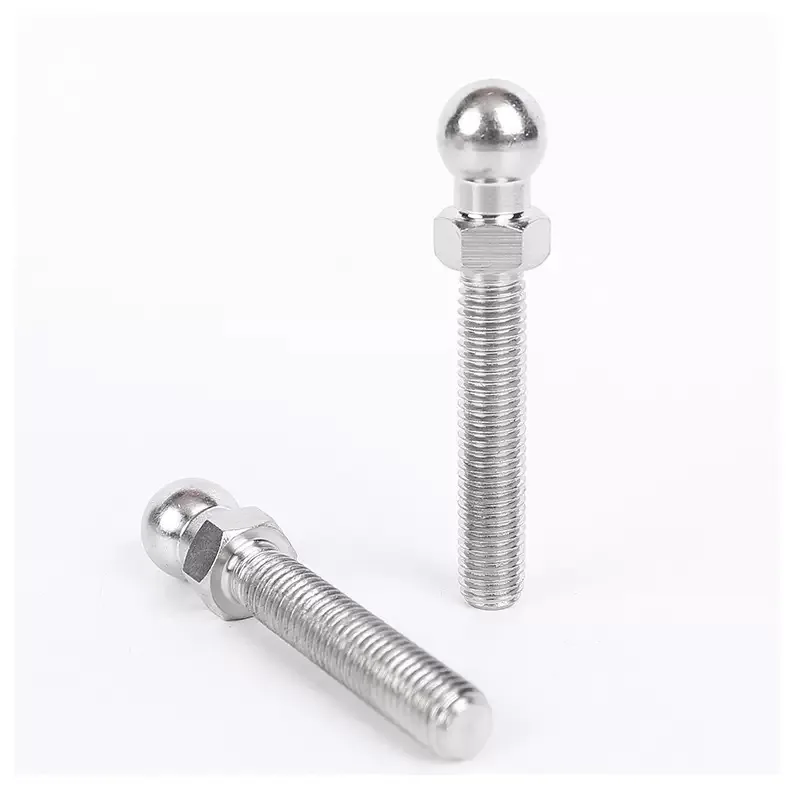
Eye-end fasteners connect to pins, clevises or cross bolts, while ball-head styles provide a compact contact or articulation point in linkage and adjustment assemblies. The mating component, movement range and required clearance should be provided so the head geometry and thread length can be reviewed together.
Design and Ordering Considerations
Critical dimensions include eye inside diameter, head outside diameter, head thickness, centerline-to-end length, shoulder position, thread engagement and straightness. For ball-head versions, specify ball diameter, neck geometry, lock-nut position and the mating socket or contact surface. Loads applied at an angle can change the stress at the eye-to-shank transition and must be included in the engineering review.
Key Product Features
- Multiple eye-end and ball-head connector geometries
- Custom threaded shank length and engagement
- Stainless steel construction for corrosion-resistant assemblies
- Optional matching nuts, washers and mating hardware
- Drawing-based inspection for repeat OEM programs
Typical Applications
- Mechanical linkages and adjustment rods
- Door, gate and access-panel mechanisms
- Fixtures, brackets and positioning assemblies
- Equipment controls and non-rated attachment points
- OEM maintenance and replacement fastener kits
Load and Safety Requirements
These connector styles are not automatically rated for overhead lifting, fall protection or safety-critical loading. If the part will carry a regulated or dynamic load, provide the applicable standard, working-load requirement, load direction, safety factor and test criteria. A lifting or safety claim should only be made after the design, material, process and validation plan have been approved.
Quality Control and Inspection
Inspection can include material verification, thread gauge checks, eye bore diameter, head thickness, shank length, shoulder position, straightness, surface condition and functional fit with a mating pin or nut. Dimensional reports and project-specific testing can be arranged when defined in the purchase specification.
OEM Customization and RFQ Information
For an accurate quotation, send:
- 2D drawing, 3D model or a dimensioned sample
- Thread standard, diameter, pitch and engagement length
- Eye bore or ball-head dimensions and mating-part details
- Material grade, environment and load direction
- Required nuts, washers, finish, testing and inspection
- Target quantity, packaging and destination country
Request a quotation for custom eye bolts and linkage screws or review related AODSON resources: Industrial Fasteners, CNC Machining, and Quality Control.
Frequently Asked Questions
Can the eye bore and threaded shank be customized?
Yes. Eye diameter, head thickness, shank length, shoulder position, thread size and engagement length can be produced to an approved drawing or sample.
Can these parts be used for lifting?
Only when the specific design, material, manufacturing route, load rating and validation requirements have been engineered and approved for that use. A standard linkage eye screw should not be assumed to be a certified lifting component.
Which stainless steel grade should be selected?
The choice depends on corrosion exposure, strength, temperature, forming or machining requirements and applicable standards. Provide the service environment so the material can be confirmed before quotation.