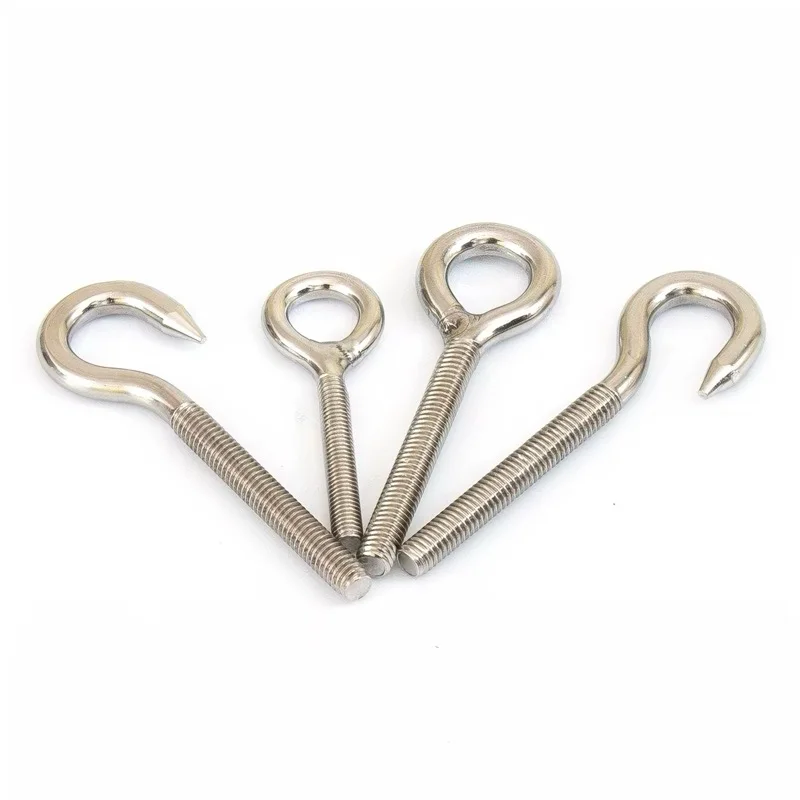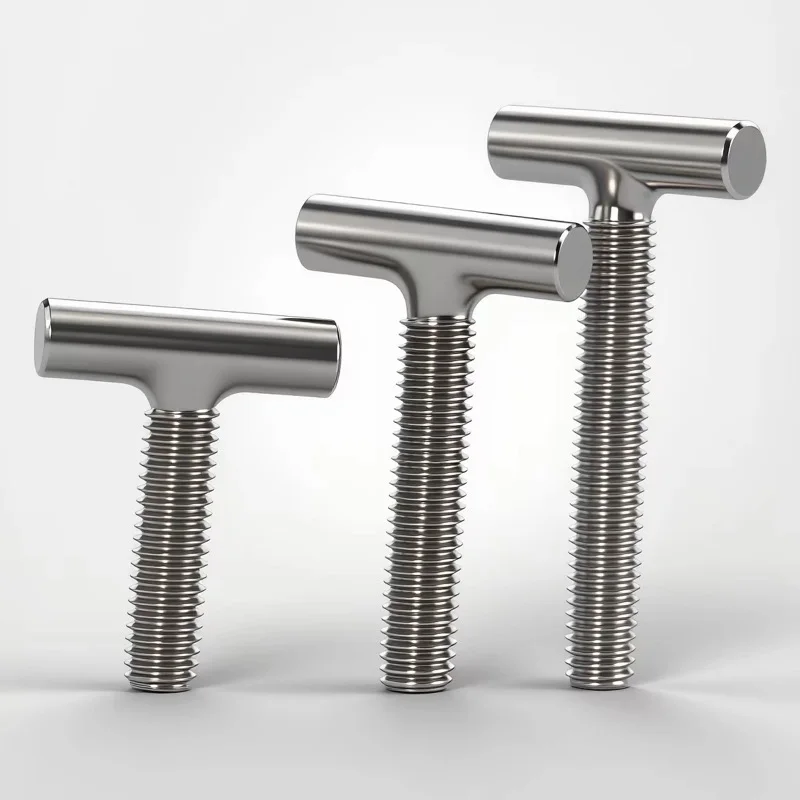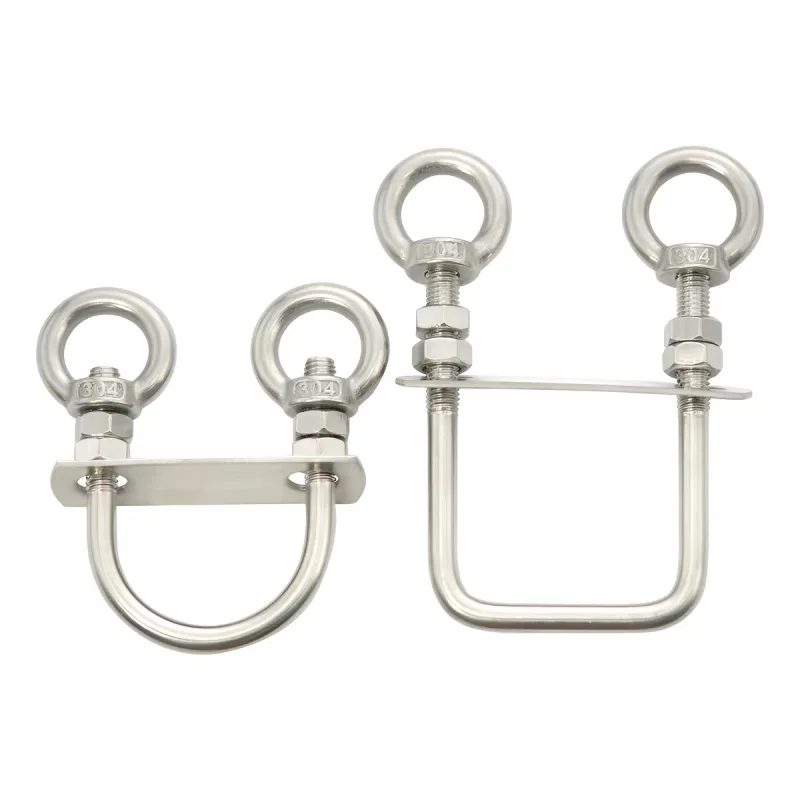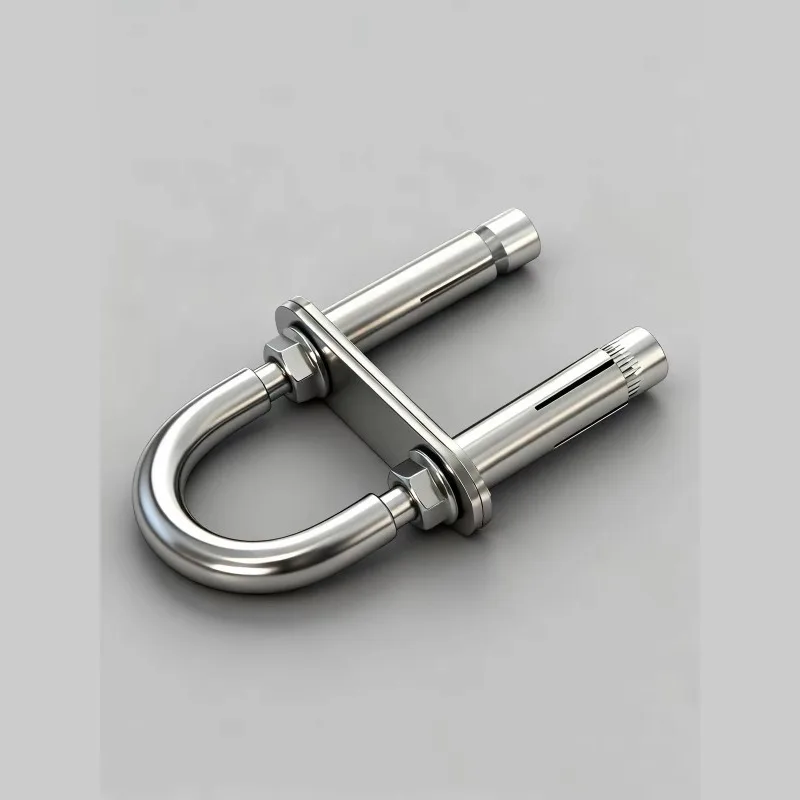




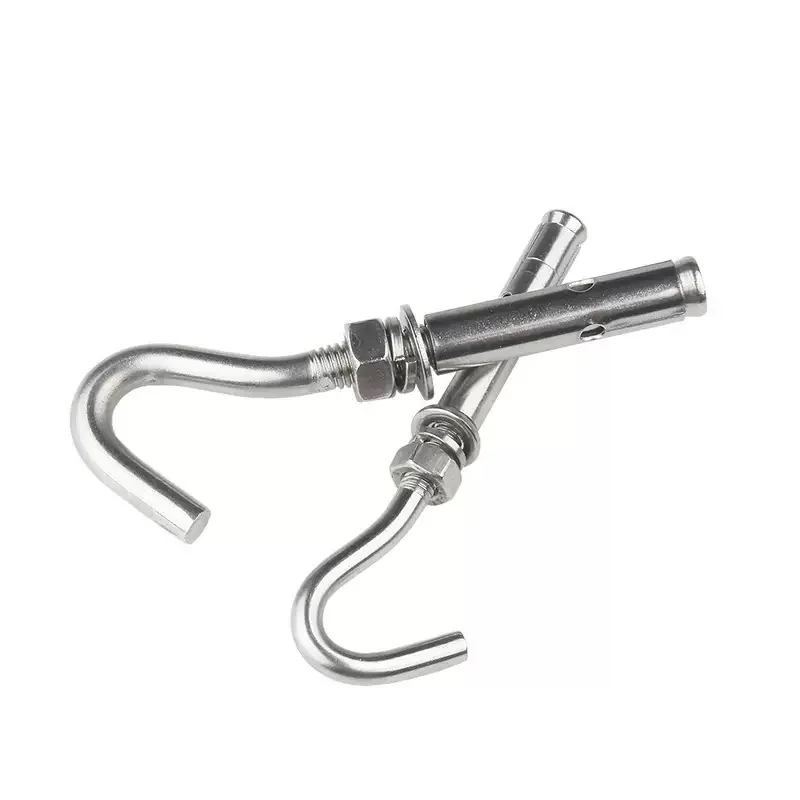
Stainless steel J-hook sleeve expansion anchors combine an open hook, threaded adjustment section, nut and washer, and tubular expansion sleeve. They are intended for suspended or retained components where the complete anchor, substrate, drilling method, embedment, installation torque, and applied load have been approved for the application.
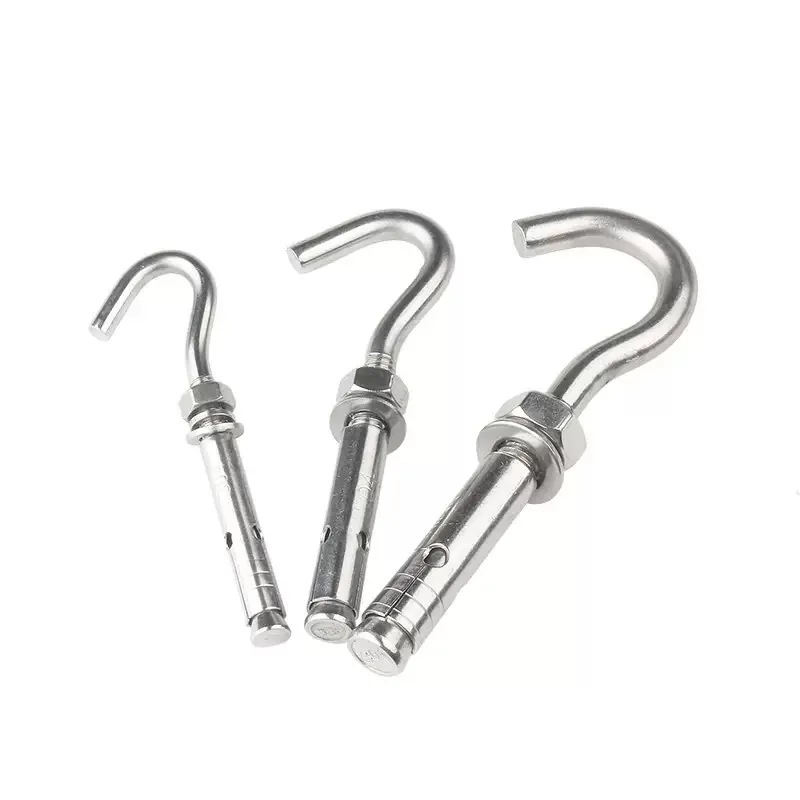
Product Specifications and Custom Options
| Product type | J-hook sleeve expansion anchor assembly |
|---|---|
| Material | Stainless steel, including 304 when specified and verified; other grades subject to application review |
| Configuration | Open J-hook, threaded shank, hex nut, washer, and expansion sleeve |
| Size options | Common M6, M8, M10, and M12 configurations or drawing-specific sizes |
| Substrate | Approved solid concrete, masonry, or project-specific base material after anchor-system review |
| Finish | Cleaned, passivated, polished, coated, or project-specific |
| Customization | Hook opening, wire diameter, thread, sleeve diameter, length, embedment, material, marking, and packaging |
Expansion Sleeve and Hook Interface
Tightening the nut draws the internal expansion section into the sleeve so the sleeve develops contact with the drilled hole. Performance depends on the exact anchor geometry, base material, hole diameter and cleanliness, edge distance, spacing, embedment depth, installation torque, load direction, and service environment.
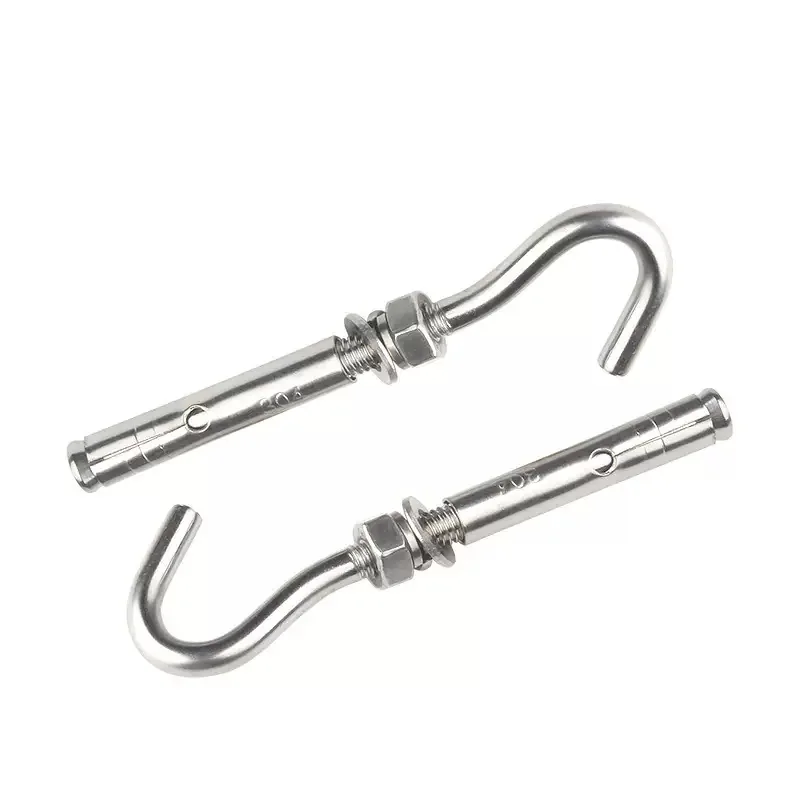
Design and Installation Considerations
Do not select an anchor from nominal diameter alone. Provide the base-material type and strength, cracked or uncracked condition, fixture geometry, hole depth, edge distance, spacing, static or dynamic loading, pull direction, corrosion exposure, and applicable building or equipment standard. Installation must follow the approved drilling, cleaning, embedment, and tightening procedure.
Key Product Features
- Open J-hook for hanging or retaining compatible components
- Integrated threaded adjustment with nut and washer
- Sleeve expansion configuration for approved drilled substrates
- Custom hook geometry, diameter, length, material, and packaging
Typical Applications
- Light-duty equipment and accessory suspension
- Pipe, cable, conduit, and bracket supports
- Water-heater and utility accessory mounting where approved
- Building services, maintenance, and custom installation assemblies
Load and Safety Requirements
No universal safe working load can be assigned from the product image or nominal size. Capacity is controlled by anchor design, substrate condition, hole quality, embedment, spacing, edge distance, installation torque, load direction, corrosion, temperature, and required safety factor. Safety-critical or overhead use requires an engineer-approved anchoring system and project-specific testing or certification where applicable.
Quality Control and Inspection
Inspection can include material verification, hook geometry, thread gauging, sleeve diameter and length, component completeness, surface condition, marking, and lot traceability. Dimensional reports, material certificates, and project-specific mechanical or corrosion testing can be supplied when included in the purchase requirements.
OEM Customization and RFQ Information
For an accurate quotation, please provide:
- Anchor diameter, thread, sleeve length, embedment, and hook dimensions
- Base material, drilled-hole specification, edge distance, and spacing
- Load magnitude, direction, duty cycle, and required safety factor
- Material grade, environment, finish, inspection, and applicable standard
- Quantity, packaging, destination, and project schedule
Request a quote for J-hook sleeve anchors, browse related industrial fasteners, or review AODSON CNC machining and quality control capabilities.
Frequently Asked Questions
Can the hook opening and anchor length be customized?
Yes. Hook diameter and opening, threaded length, sleeve diameter, embedment, material, finish, and packaging can be produced to an approved drawing after feasibility review.
Can these anchors be used overhead?
Only when the complete anchor system, substrate, installation procedure, load case, safety factor, and applicable code have been reviewed and approved for overhead service.
What is needed to determine the allowable load?
Please provide the substrate properties, anchor geometry, embedment, hole condition, spacing, edge distance, load direction, installation method, environment, and required standard or test method.