Local Service, Global Capabilities.
Engineering insights on metal materials, manufacturing processes, tolerances, corrosion and component design.
2026-06-03
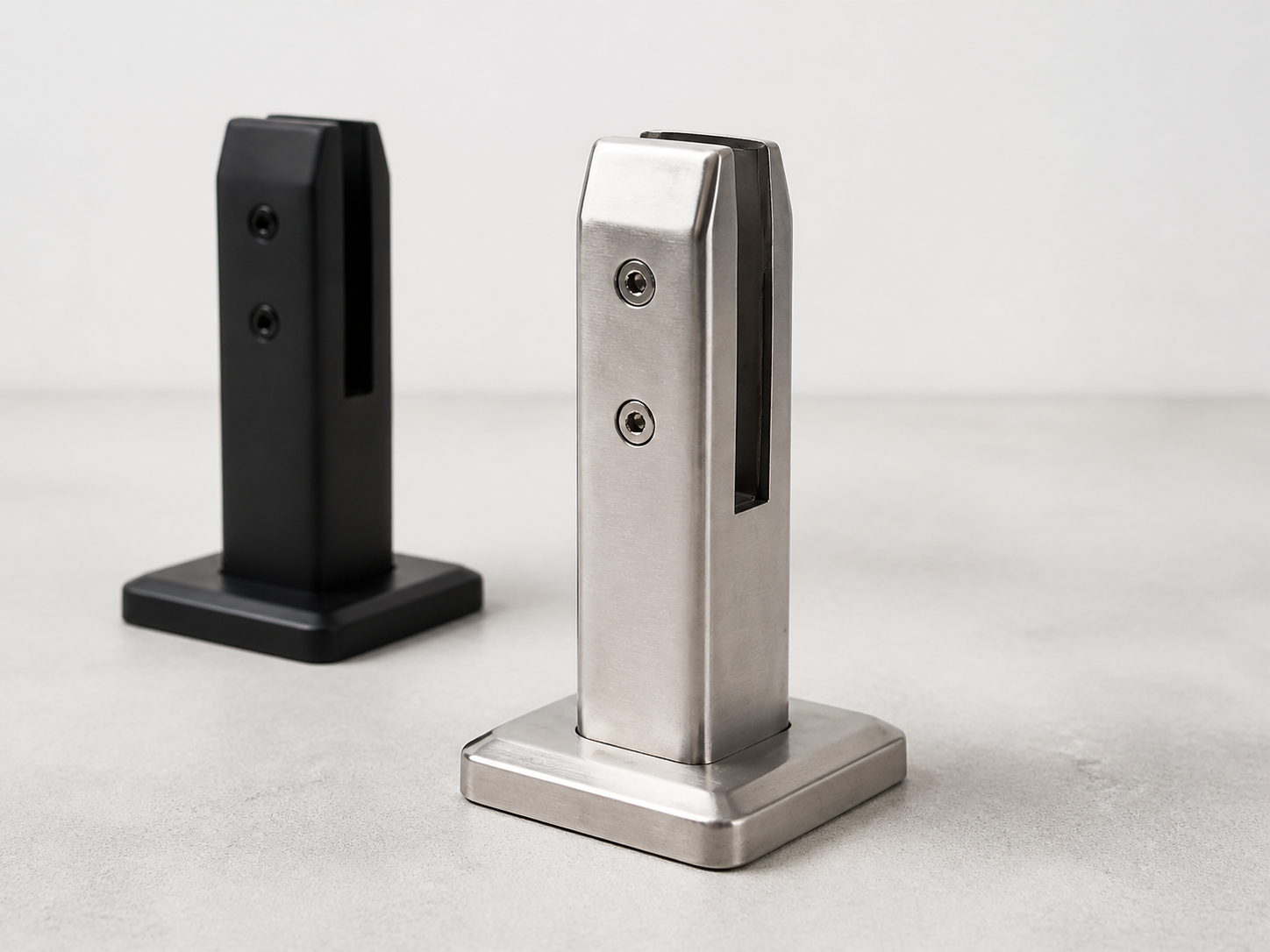
Commercial buildings ask more from architectural hardware than a private residence ever will. A door handle in an office tower may be touched thousands of times a week. A railing bracket in a shopping mall has to look clean while quietly resisting impact, cleaning chemicals, humidity, and daily wear. In hotels, hospitals, schools, airports, factories, and public buildings, hardware is not just a finishing detail. It is part of the building’s safety, accessibility, maintenance cost, and long-term appearance. That is why stainless steel remains one of the most widely specified materials for commercial architectural hardware. It offers a practical balance of corrosion resistance, strength, hygiene, fire performance, and design flexibility. The best product choice still depends on the building environment. Indoor dry areas may use 304 stainless steel successfully for many years, while coastal sites, swimming pool areas, food facilities, and chemical-exposed environments often require 316, duplex stainless steel, or carefully selected surface treatments. Below are ten stainless steel architectural hardware products commonly used in commercial buildings, with practical notes on where they are used and what buyers, contractors, and designers should check before specifying them. 1. Stainless Steel Door Pull Handles Door pull handles are among the most visible pieces of architectural hardware in any commercial entrance. They are used on glass doors, timber doors, aluminum-framed doors, and stainless steel doors in offices, hotels, retail stores, schools, and public buildings. For commercial use, the handle should be judged by more than shape. Tube wall thickness, welded joint quality, mounting method, grip clearance, and finish consistency all affect performance. Back-to-back pull handles on glass doors need reliable fixing kits and properly sized gaskets to prevent glass stress. For high-traffic entrances, brushed satin stainless steel is often more forgiving than mirror polish because small scratches are less obvious. 2. Stainless Steel…
2026-06-03
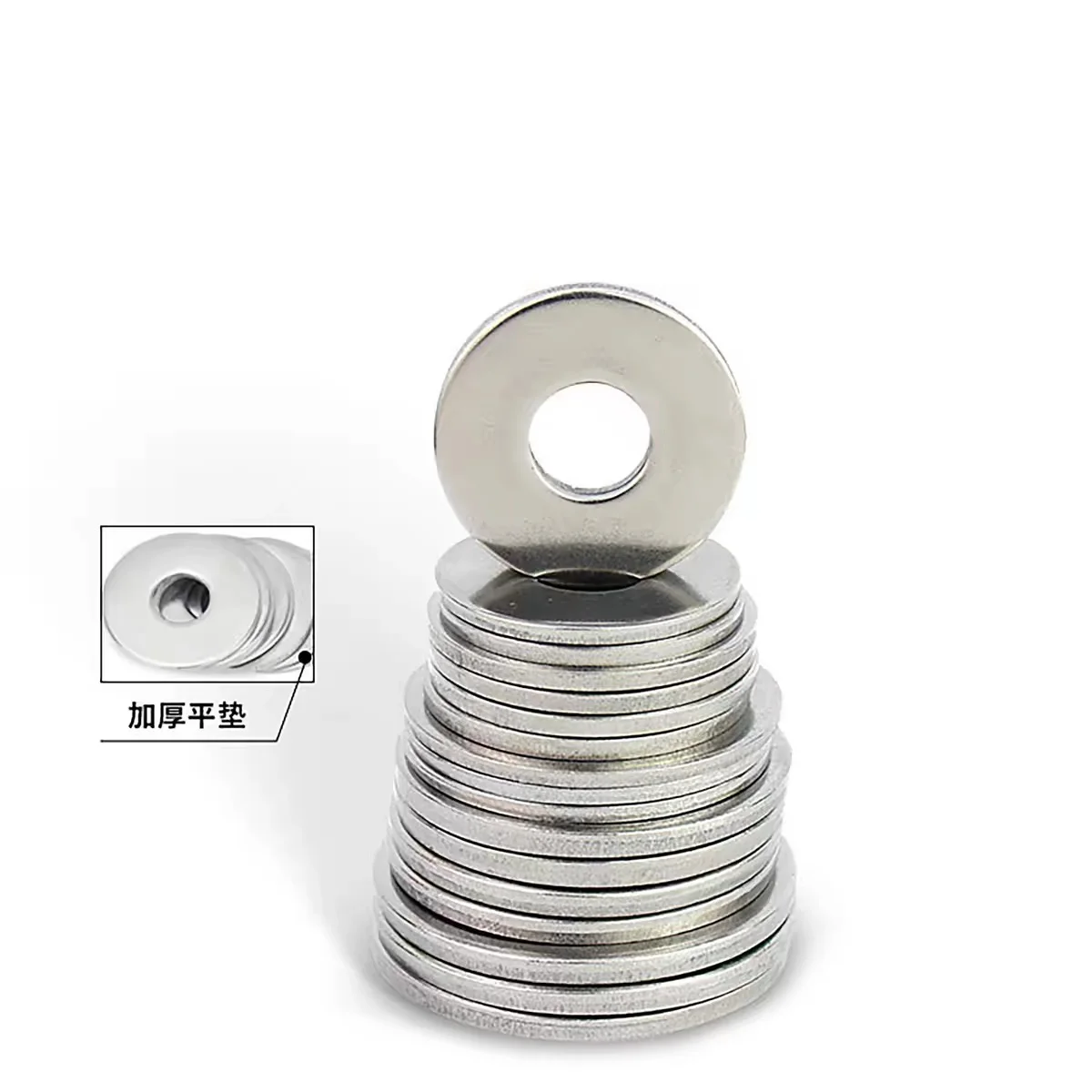
In harsh industrial environments, a washer is never just a thin ring of metal. It is a load-distribution surface, a spacing element, a seal-support component, and often the small part that protects a much more expensive bolted assembly from premature failure. When equipment is exposed to salt spray, chemicals, heat, vibration, moisture, and constant maintenance cycles, stainless steel washers become essential because they help keep fastening systems stable, clean, and corrosion resistant over time. For manufacturers, EPC contractors, maintenance teams, and OEM buyers, the value of stainless steel washers is not only in their material strength. Their real value is in reliability: fewer seized fasteners, more predictable clamp load, better resistance to environmental attack, and lower risk of unplanned downtime. Harsh environments attack the whole fastening system Industrial fasteners rarely fail because of one simple cause. Failure usually comes from a combination of corrosion, surface damage, vibration, thermal cycling, and poor load distribution. A carbon steel washer may look acceptable at installation, but in wet, marine, chemical, or high-temperature service it can become the weak point in the joint. Rust expansion, pitting, and surface roughness can reduce contact quality and make later disassembly difficult. Stainless steel washers are designed to resist these conditions. Grades such as 304 stainless steel provide good general corrosion resistance, while 316 stainless steel adds molybdenum for improved resistance to chlorides and marine atmospheres. In more aggressive environments, duplex stainless steels or higher alloy grades may be selected for increased strength and pitting resistance. They distribute load and protect mating surfaces The most immediate function of a washer is to spread the load from the bolt head or nut over a larger area. In industrial machinery, pumps, valves, structural brackets, marine hardware, and flange connections, this helps prevent localized indentation, galling, or deformation of the mating…
2026-05-28
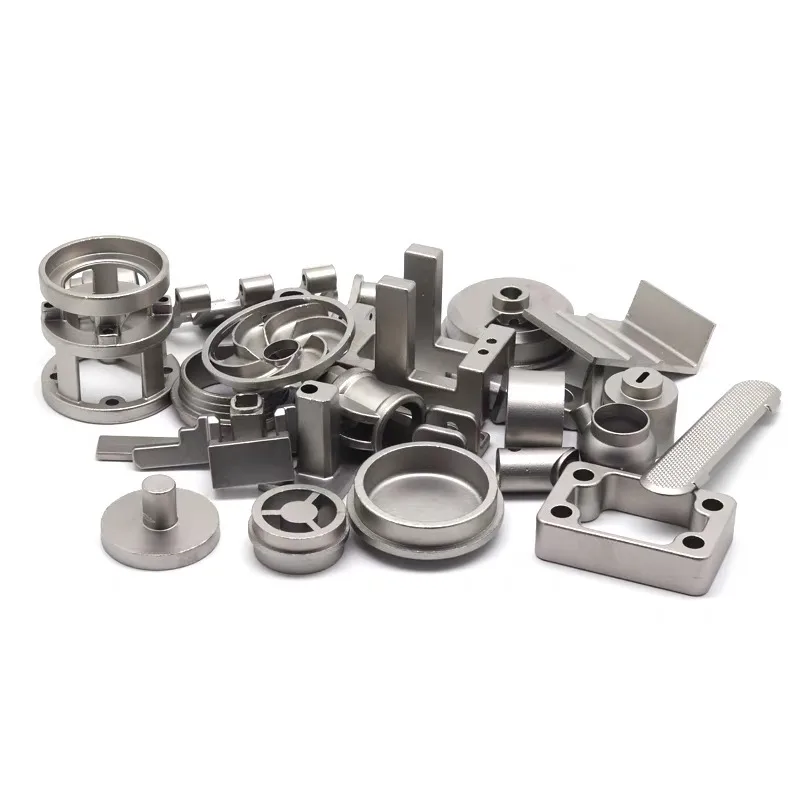
When a metal part becomes difficult to make, the manufacturing decision usually narrows to two strong options: investment casting and CNC machining. Both can produce reliable, high-performance components. Both are used for stainless steel, carbon steel, alloy steel, aluminum, brass, and specialty alloys. And both can support demanding applications in pumps, valves, marine hardware, construction hardware, machinery, and custom industrial assemblies.The better choice depends less on which process is “more advanced” and more on the shape of the part, annual quantity, tolerance requirements, surface finish, material, and how much post-processing the design can tolerate.This guide compares investment casting vs CNC machining from a practical engineering and sourcing point of view, especially for complex metal parts where cost, repeatability, and design freedom all matter. What Is Investment Casting? Investment casting, also called lost wax casting, is a precision casting process used to produce metal parts with complex geometry. A wax pattern is made, assembled into a tree, coated with ceramic shell, melted out, and then filled with molten metal. After solidification, the ceramic shell is removed and the castings are cut, cleaned, heat treated, machined where needed, and inspected.The biggest strength of investment casting is shape freedom. It can create internal contours, curved surfaces, ribs, bosses, thin walls, and blended transitions that would be expensive or impossible to machine from solid bar stock. For complex parts, it often produces a near-net-shape blank, leaving only critical surfaces for secondary CNC machining. What Is CNC Machining? CNC machining removes material from a solid block, bar, forging, casting, or extrusion using computer-controlled cutting tools. Common CNC processes include milling, turning, drilling, tapping, grinding, and multi-axis machining.The biggest strength of CNC machining is dimensional control. It is excellent for tight tolerances, flatness, concentricity, threads, precision holes, sealing surfaces, and parts that need clean, repeatable edges….
2026-05-28
A practical guide to Zamak 5 zinc alloy, including composition, die casting benefits, common uses, design notes, and material selection tips.
2026-05-26
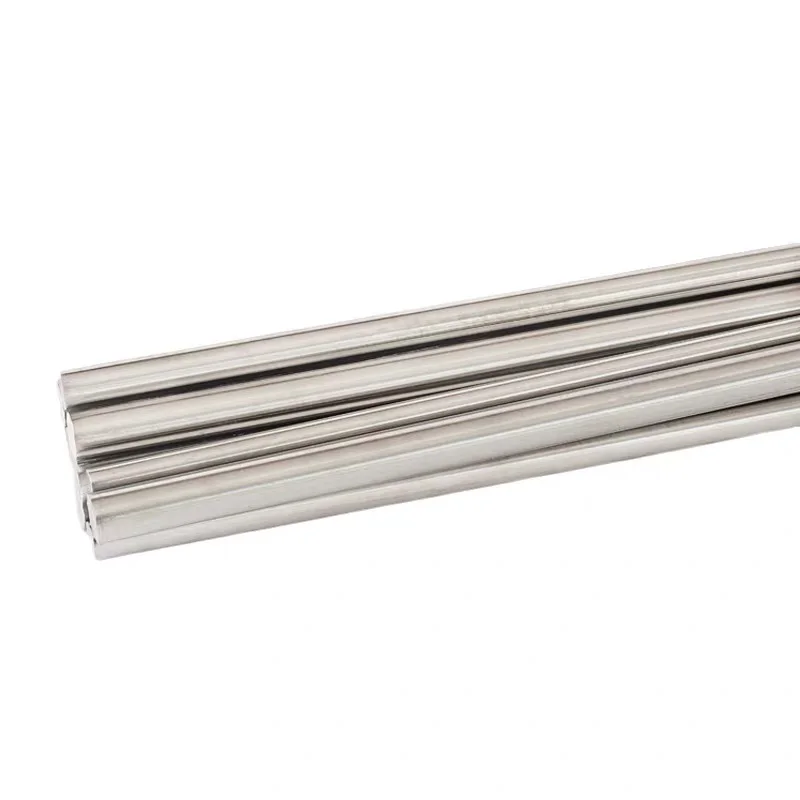
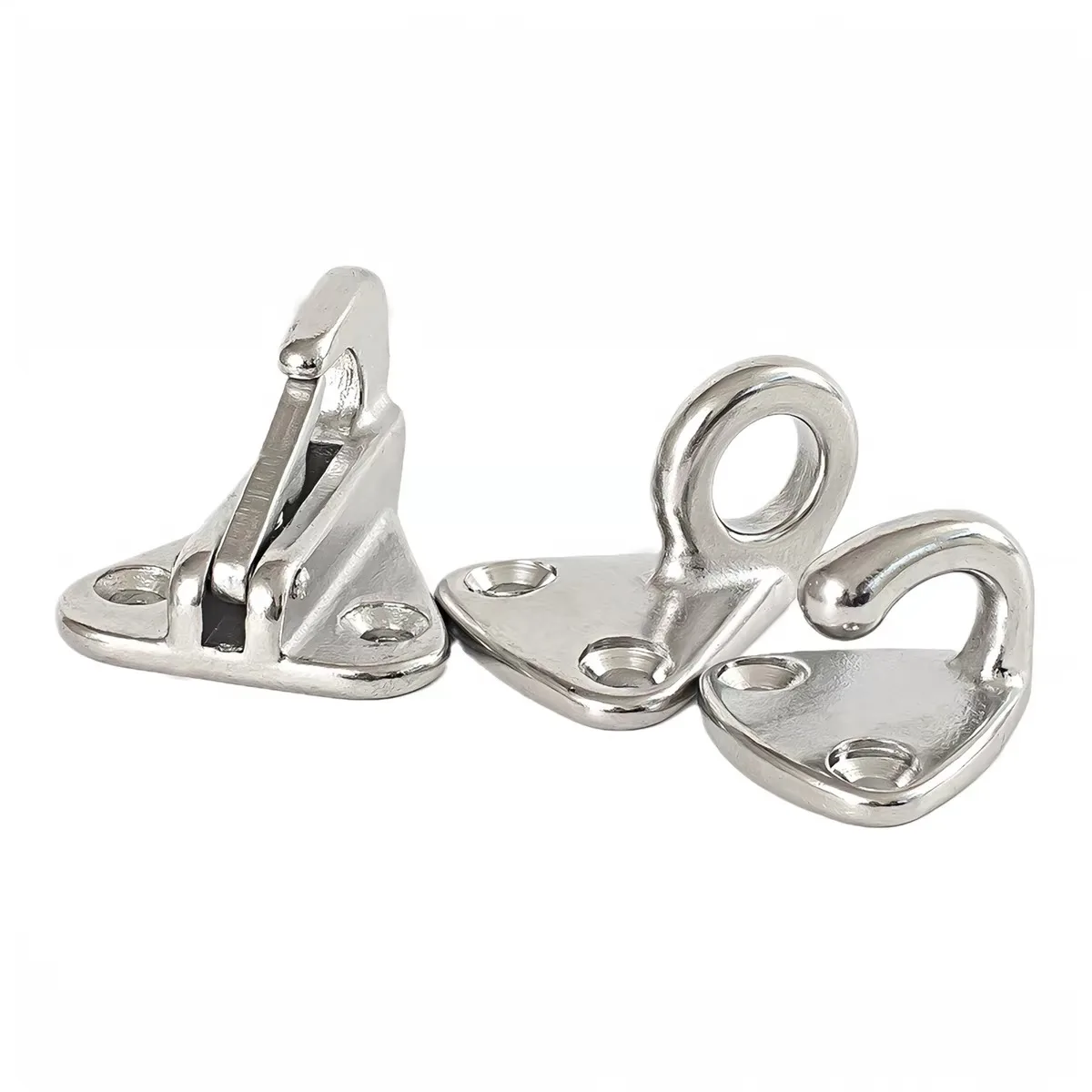
Stainless steel density chart for 304, 316L, 2205 and common grades, with values in g/cm³ and kg/m³, weight formulas, worked examples and practical guidance for purchasing real components.
2026-05-26
Stainless steel is corrosion-resistant, not corrosion-proof. Learn why it rusts, compare 304, 316L and duplex grades by environment, and prevent corrosion failures.
2026-05-25
Cross-reference common GB, ASTM/UNS, EN/DIN and JIS metal grades for stainless steel, carbon steel, duplex, titanium, aluminum and nickel alloys, with practical substitution checks for OEM sourcing.
2026-05-25
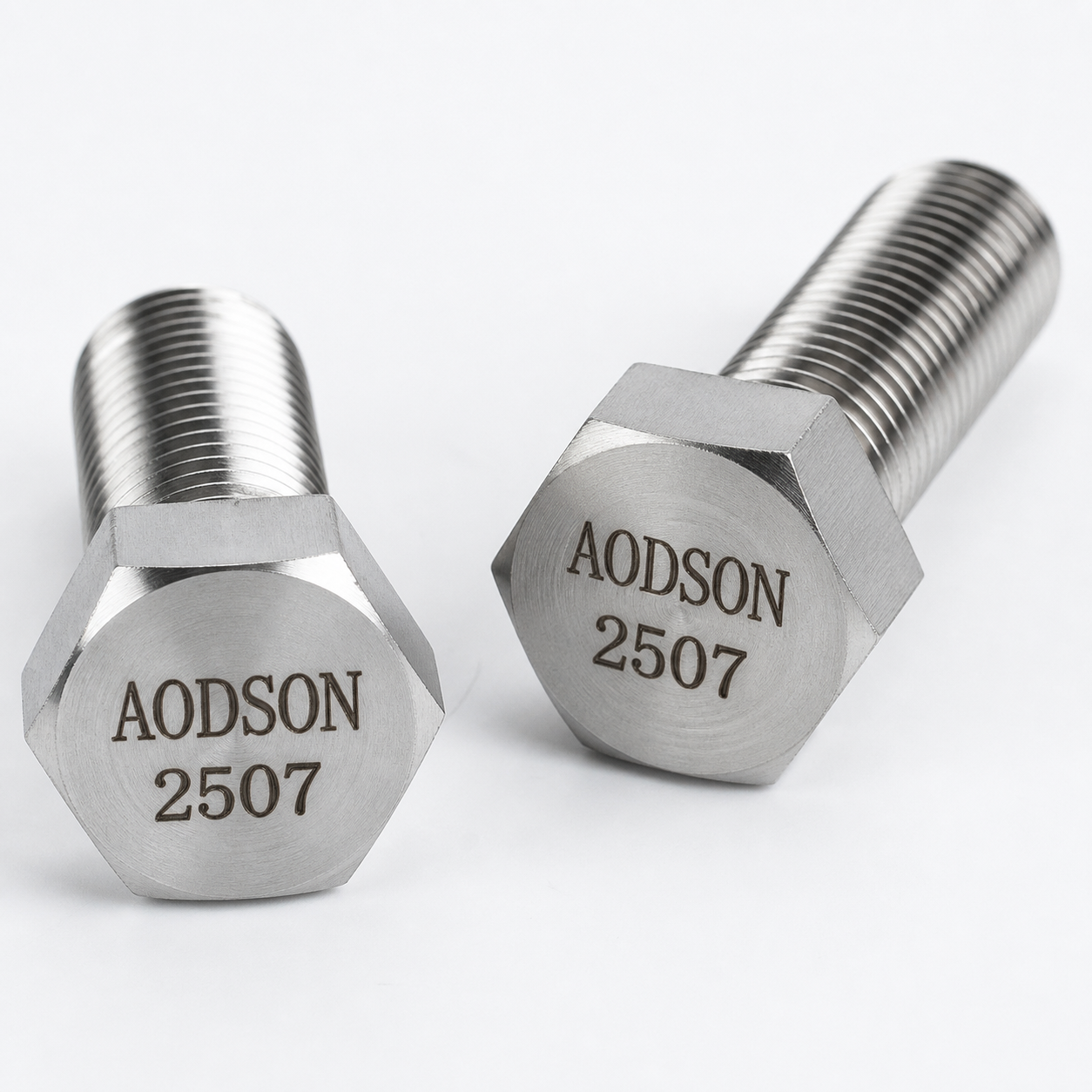
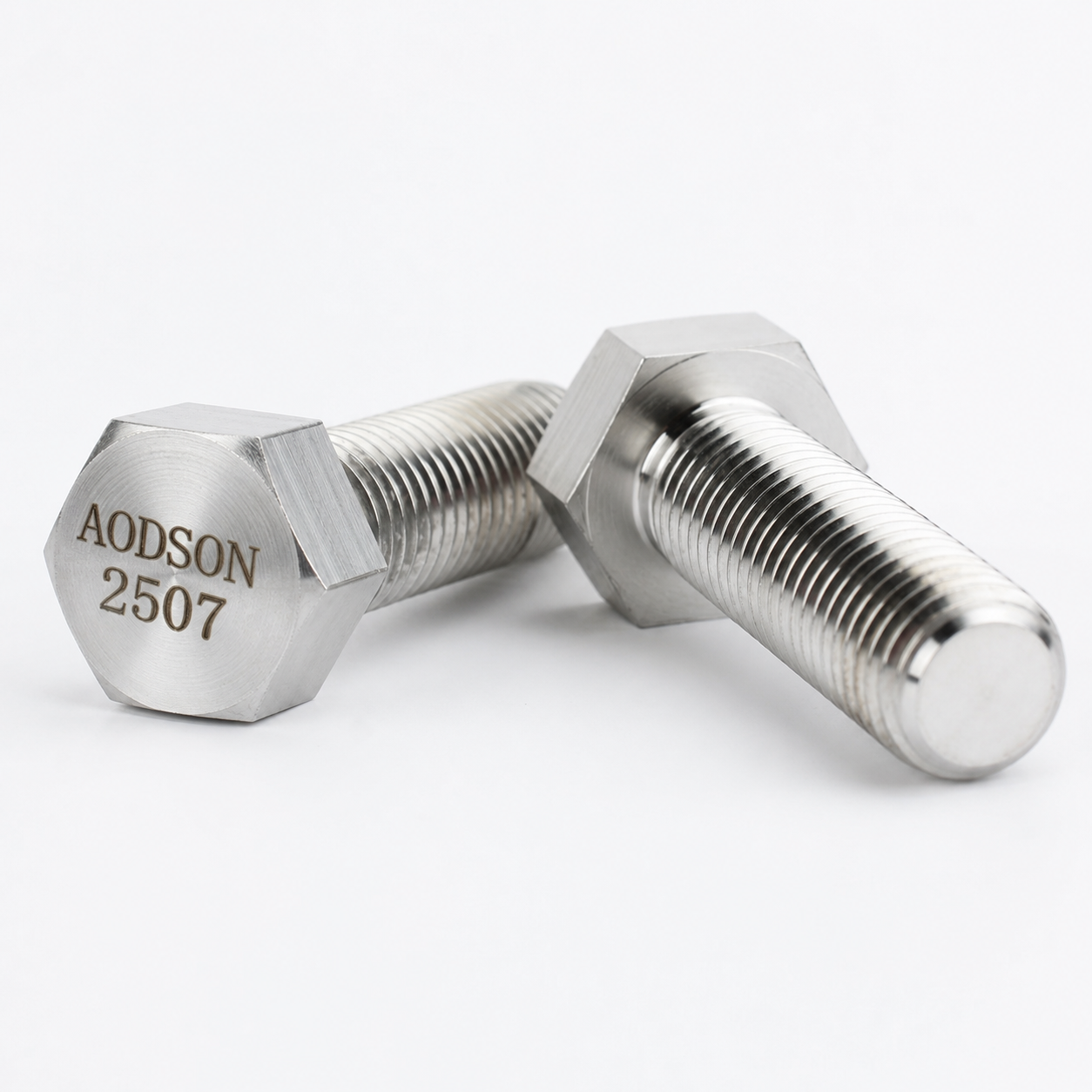
Compare duplex stainless steel grades with 304 and 316L for corrosion, strength and wear-related service. Learn when 2205 or 2507 is the better material choice.
2026-05-24
Compare A-286, Inconel X-750, Inconel 718 and Waspaloy bolt materials for demanding high-temperature applications.
2026-05-23
Learn how precision investment casting works, including process stages, design rules, materials, tolerances, inspection and RFQ requirements.