



Custom Stainless Steel Tube Bending
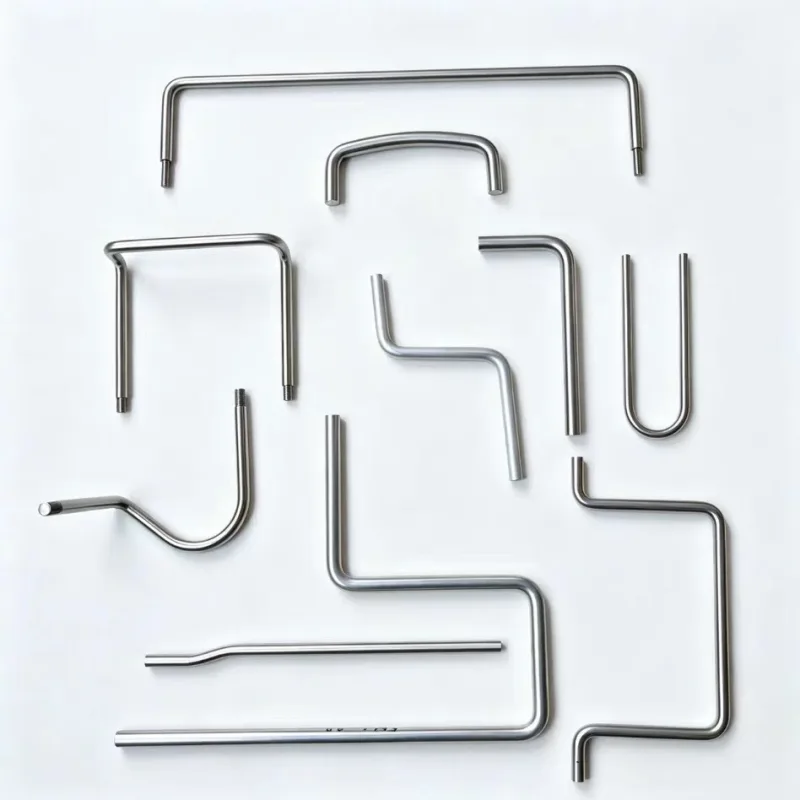
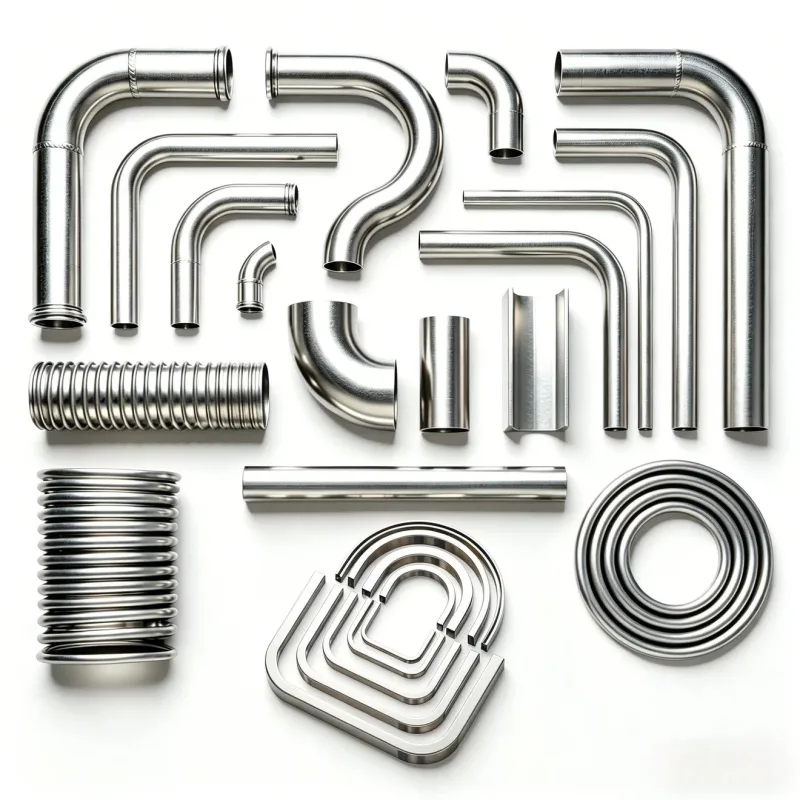
AODSON manufactures made-to-drawing bent components from hollow stainless steel tube. The product range includes U-shaped, S-shaped, L-shaped, rectangular, serpentine, coil, elbow and multi-plane tube forms for equipment, architectural and industrial assemblies.
Material grade, tube outside diameter, wall thickness, bend radius, straight length, end condition and inspection requirements are confirmed before production. 201, 304 and 316 stainless steel can be evaluated according to corrosion exposure, forming requirements and cost.
Tube Bending Specifications and Options
| Product type | Custom bent hollow stainless steel tube components |
|---|---|
| Material options | 201, 304 or 316 stainless steel; final grade subject to application review |
| Tube form | Round tube and other sections subject to feasibility review |
| Bend configurations | U, S, L, rectangular, elbow, serpentine, coil and multi-plane bends |
| Secondary operations | Cutting, end forming, drilling, tapping, welding and assembly preparation |
| Surface options | Mill finish, brushed, polished, pickled and passivated, or specified finish |
| Dimensions and tolerances | Confirmed from the approved drawing and tooling plan |
Tube Forms and End Configurations
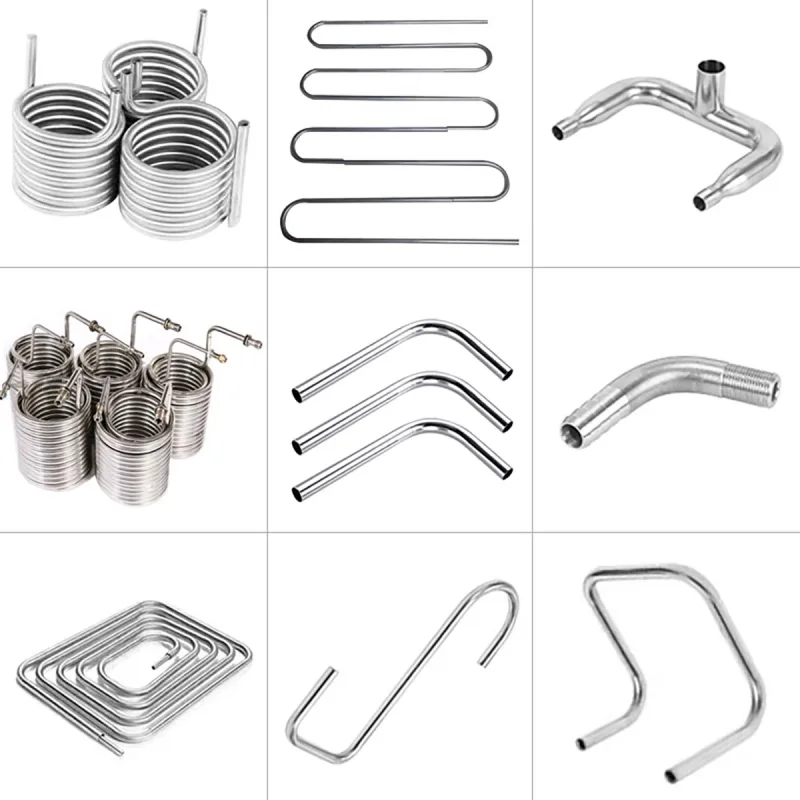
Tube bending feasibility depends on outside diameter, wall thickness, bend radius, material condition and straight length between bends. Tooling and internal support are selected as required to control flattening, wrinkling, ovality and surface marking.
Production and Application Examples
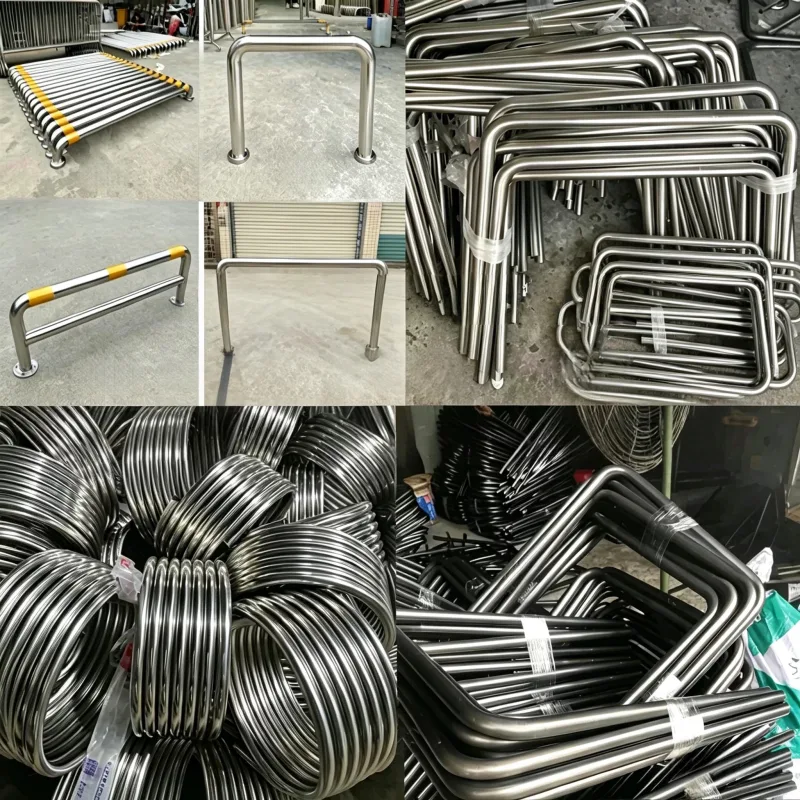
Typical production includes repeated tube frames, coils, protective rails, handles and welded assemblies. Safety or load-bearing components require the design standard, mounting details, loading basis and acceptance criteria to be defined by the customer.
Design and Ordering Considerations
Drawings should identify centerline or outside dimensions, bend radius, bend sequence, angle and orientation, tube size and wall thickness, end preparation, weld locations and visible surfaces. Minimum radius and deformation limits are reviewed before tooling or production approval.
Key Features
- Hollow-section forming: process planning focuses on shape retention and controlled ovality.
- Complex tube routes: single-plane and multi-plane bends, offsets, loops and coils can be evaluated.
- Secondary fabrication: end forming, holes, threads, welding and finishing can be integrated.
- Prototype-to-production support: tooling and inspection are matched to geometry and order volume.
- Application-based materials: 201, 304 and 316 options are reviewed for environment and performance.
Typical Applications
- Equipment frames, handles and protective guards
- Architectural rails, barriers and stainless structures
- Heating, cooling and fluid-routing coils
- Food-processing and hygienic equipment assemblies
- Marine, outdoor and custom OEM tube components
Quality Control and Inspection
Inspection can cover material identification, outside diameter, wall thickness, bend radius, angle, leg length, flatness, twist, ovality, end features, weld appearance and surface finish. Fixtures, gauges, dimensional reports and project-specific tests can be agreed before production.
OEM Customization and RFQ Requirements
Please provide a 2D drawing and 3D model where available, material grade, tube outside diameter and wall thickness, bend radii, critical tolerances, quantity, surface finish and any welding, pressure or load requirements.
Frequently Asked Questions
How is tube deformation controlled during bending?
Tooling, bend method and internal support are selected according to tube size, wall thickness, radius and appearance requirements.
Can coils and multi-plane tubes be produced?
Yes. Coils, serpentine routes and multi-plane bends can be evaluated from drawings and 3D models.
Can welding or end forming be included?
Yes. Cutting, end forming, drilling, tapping, welding and finishing can be included when specified on the approved drawing.