



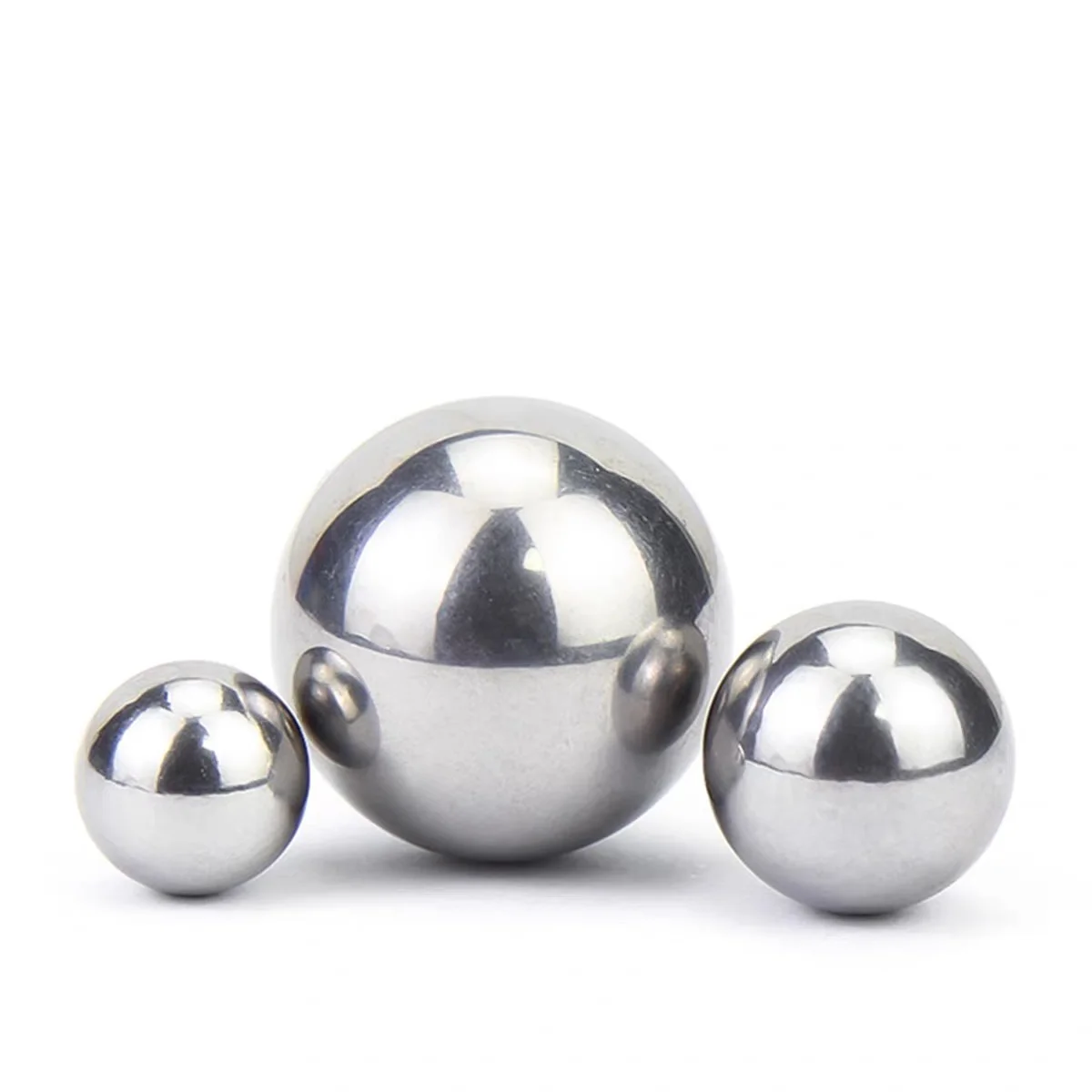
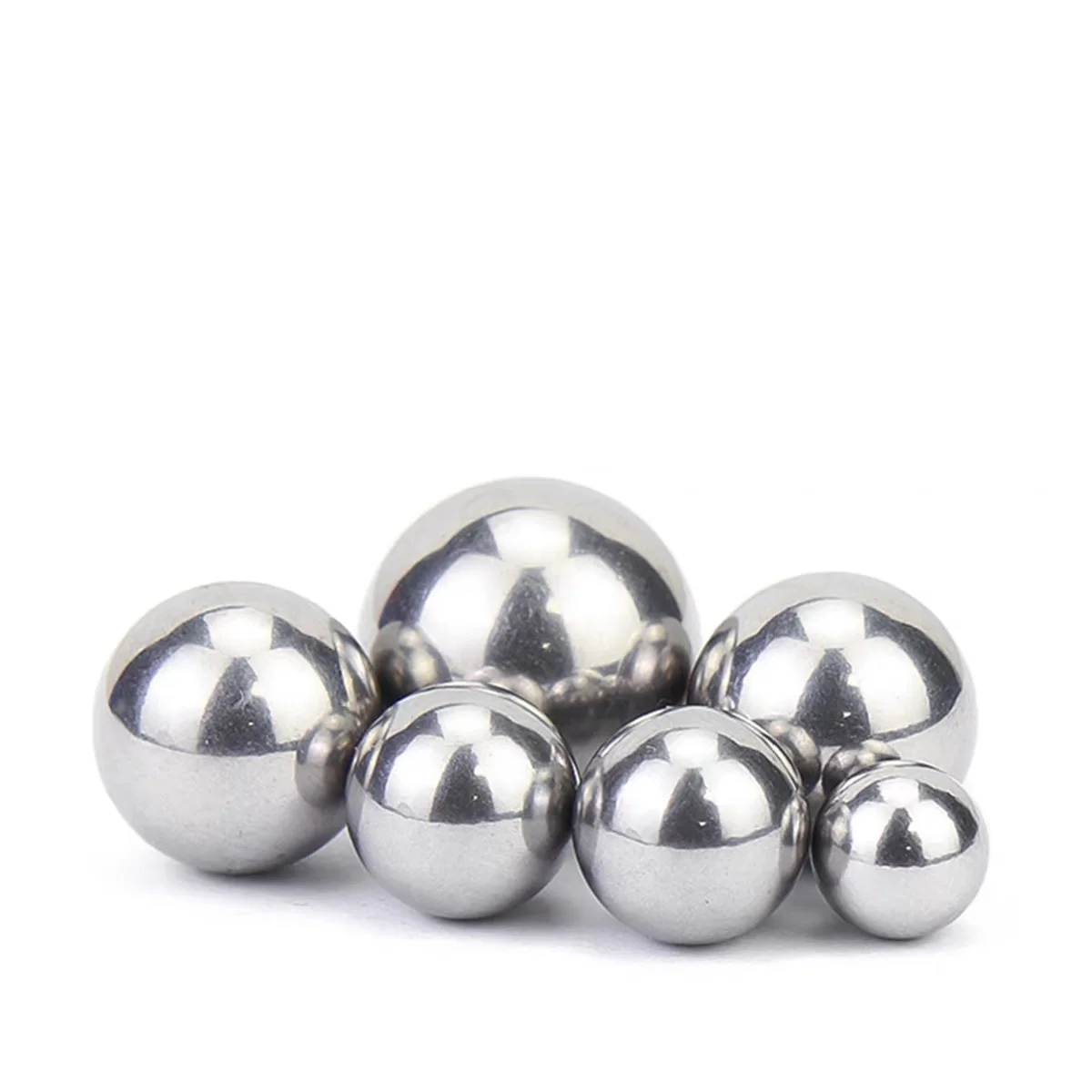
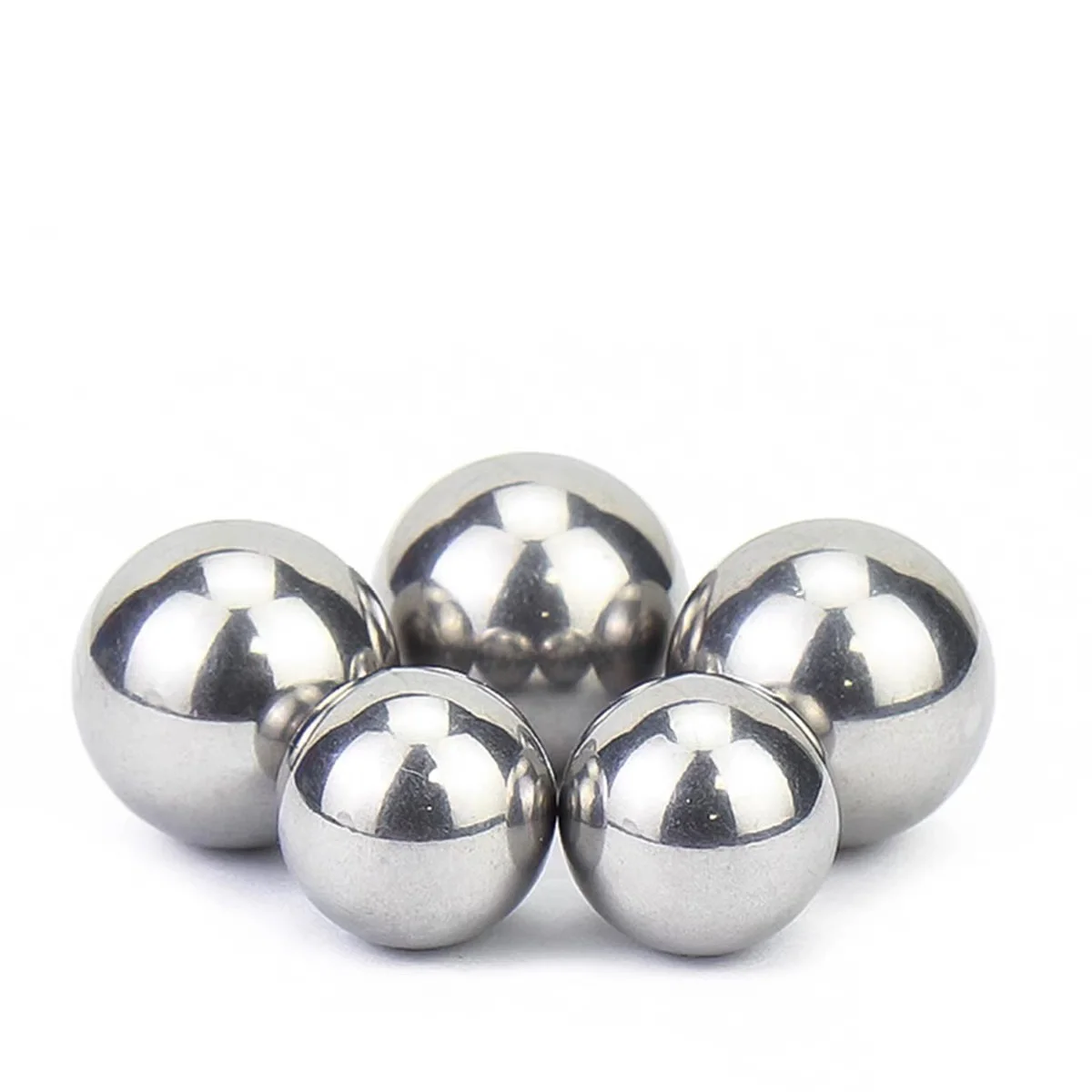
304 stainless steel precision balls are solid, corrosion-resistant spherical components used in valves, detents, instruments, dispensers, locking mechanisms and custom assemblies. AODSON supplies polished stainless steel balls in common diameters from 1 to 12 mm, with size, roundness, surface condition and inspection requirements defined by the customer-approved specification.
Product Specifications and Custom Options
| Product type | Solid precision stainless steel ball |
|---|---|
| Standard material | 304 stainless steel |
| Typical diameter range | 1, 2, 3, 4, 5, 6, 8, 10 and 12 mm; other sizes subject to review |
| Manufacturing | Blank forming, flashing, grinding, lapping or polishing, cleaning and size sorting |
| Surface | Bright polished, project-specific roughness or passivated condition |
| Critical controls | Diameter tolerance, roundness, lot variation, surface roughness and visual defects |
| Supply format | Counted bags, weight-based packs, trays or customer-specified export packaging |
Precision Must Be Defined by the Application
The term precision ball does not by itself define a universal tolerance. Buyers should specify nominal diameter, permitted diameter variation, sphericity, surface roughness, hardness and inspection method. A ball for a spring detent may have different requirements from a valve sealing element or measuring device. Confirming these details before quotation avoids unnecessary cost and ensures the correct manufacturing and sorting route.
Typical Applications
- Check valves, flow-control and pump components
- Spring detents, indexing and locking mechanisms
- Dispensers, nozzles and metering assemblies
- Instrumentation and measurement devices
- Decorative, architectural and display hardware
- OEM mechanical products requiring a corrosion-resistant spherical component
Manufacturing and Surface Finishing
Depending on diameter, tolerance and volume, production may begin from wire or formed blanks. The balls are shaped, deflashed, ground and progressively finished until the specified diameter and surface condition are reached. Cleaning, polishing, passivation and controlled sorting can be added according to the approved quality plan. Material and process selection should reflect corrosion exposure, contact stress, wear, temperature and mating components.
Quality Control and Documentation
Inspection can include material verification, micrometer or comparative diameter checks, roundness measurement, surface roughness, hardness, visual inspection and lot sampling. Material certificates and dimensional reports are available when requested before production. Functional tests such as sealing, wear, rolling performance or corrosion resistance require the customer’s test method and acceptance criteria.
These balls must not automatically be treated as bearing-grade, food-contact, medical or safety-critical components. Such applications require the relevant grade, cleanliness, traceability, certification and validation requirements to be stated on the purchase specification.
Information Required for Quotation
- Material grade and operating environment
- Nominal diameter and diameter tolerance
- Roundness, surface roughness and hardness requirements
- Application and mating component information
- Quantity, sampling plan and required documentation
- Cleaning, passivation, packaging and destination country
AODSON supports drawing-based metal components and practical quality planning for international OEM buyers. Review our quality control capabilities and OEM manufacturing support, or send your steel ball specification for quotation.
Frequently Asked Questions
Are diameters between 1 and 12 mm available?
Yes. Common metric diameters are available, while exact availability, tolerance and order quantity are confirmed during quotation.
Can you supply tighter diameter and roundness tolerances?
Yes, subject to manufacturing review. Please provide the required tolerance class or numerical limits rather than only describing the ball as precision grade.
Is 316 stainless steel available?
Other stainless grades can be reviewed according to corrosion conditions, mechanical requirements, diameter and volume.
Can the balls be used in bearings?
Only when the required bearing material, hardness, grade, roundness, surface finish and test standards are specified and verified. The standard 304 product should not be assumed to meet bearing-grade requirements.