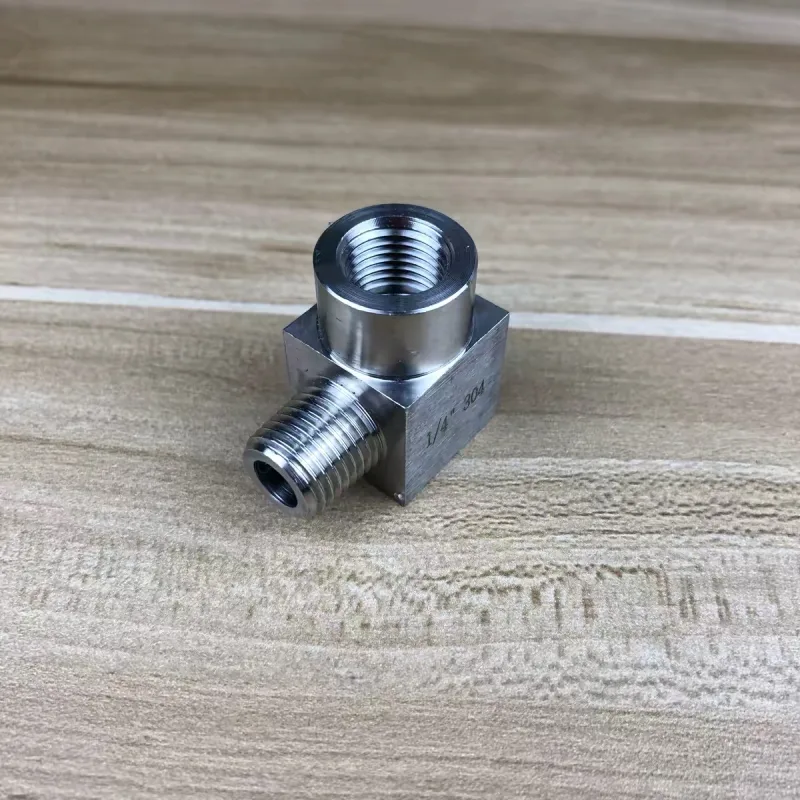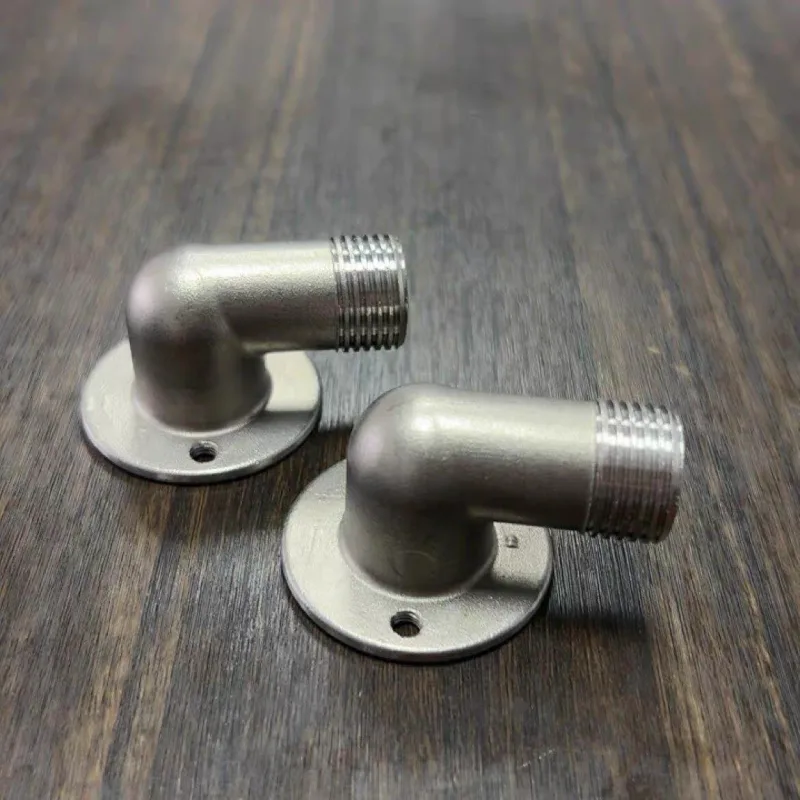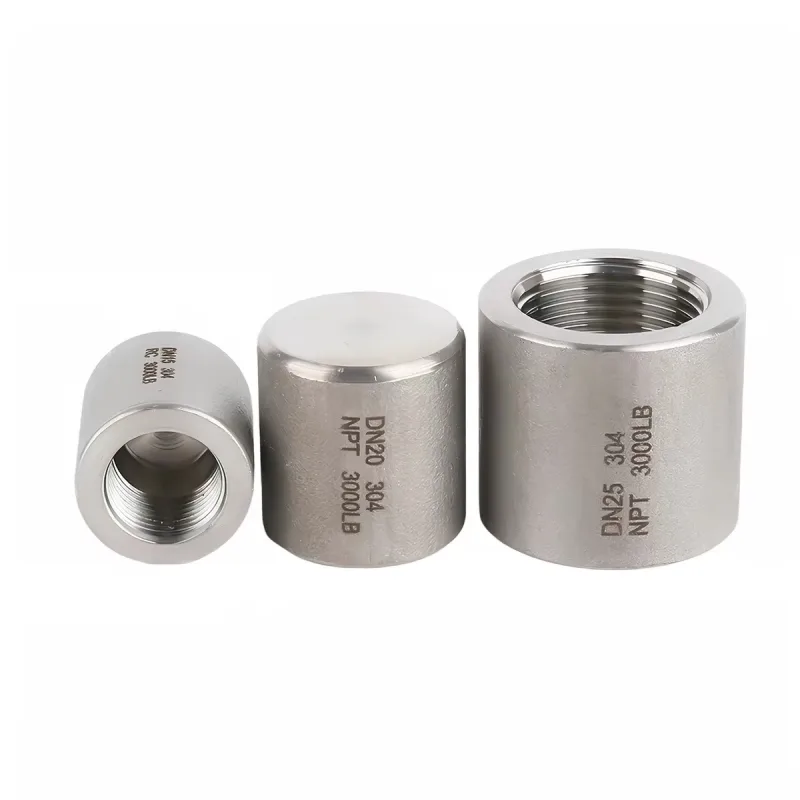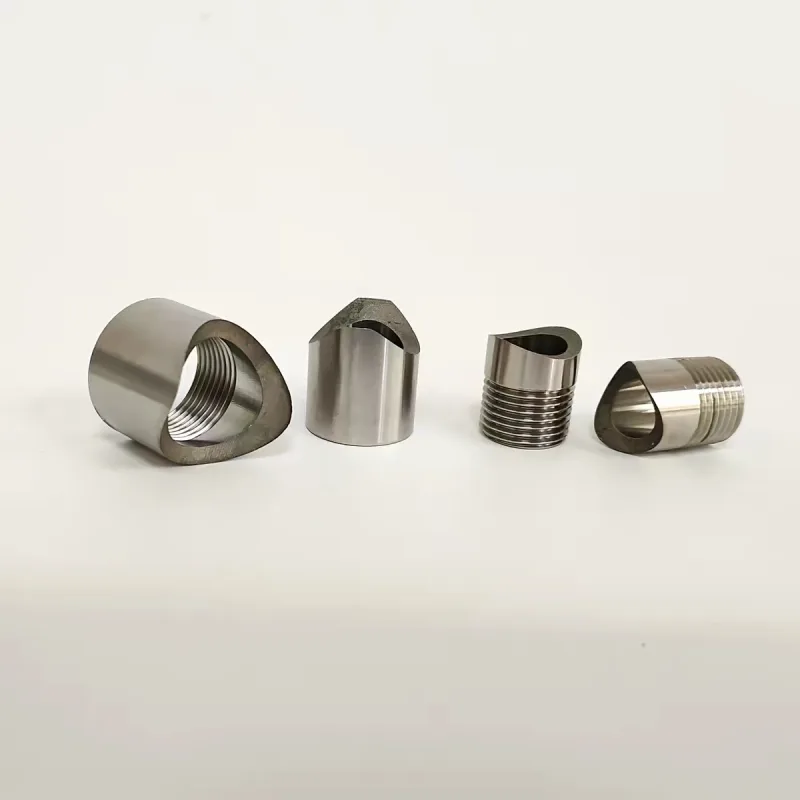




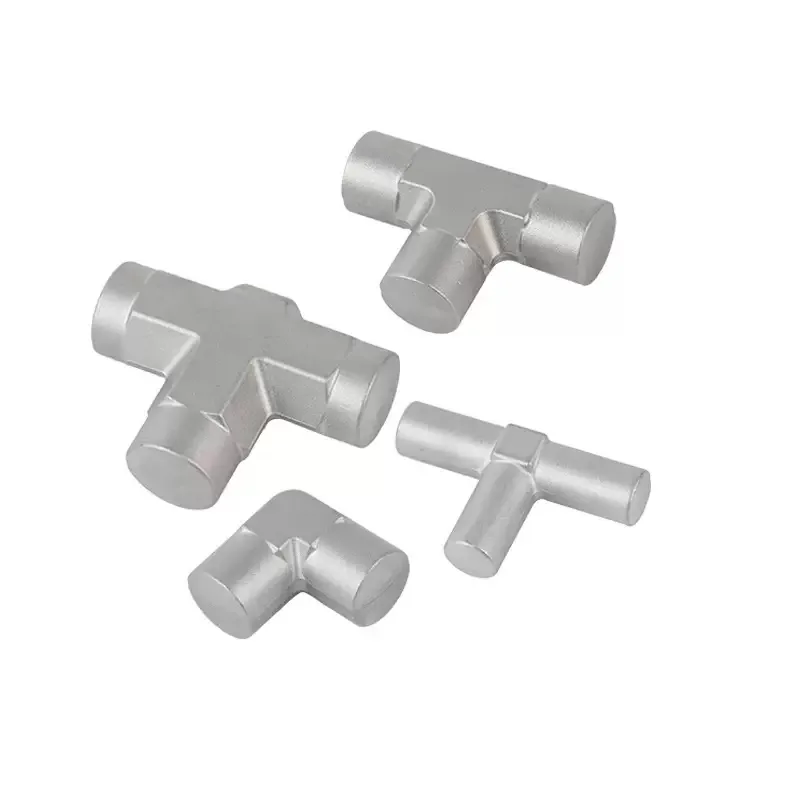
custom forged high-pressure elbow tee fittings provide compact three-way connections where piping direction and branch flow must be combined in a reinforced body. Forging creates a continuous, robust blank before ports, threads, sealing faces and installation features are machined to the approved drawing. Material, connection type, pressure class and temperature range remain project-specific.
Product Specifications and Custom Options
| Product type | Forged elbow tee or three-way branch fitting |
|---|---|
| Material | Stainless steel, heat-resistant alloy or corrosion-resistant alloy specified for the service condition |
| Connections | Internal thread, external thread, socket, weld-prep or project-specific machined ends |
| Manufacturing | Forged blank with CNC drilling, boring, threading and sealing-face machining |
| Pressure and temperature | Defined by the approved material, wall section, connection standard and design specification |
| Finish | As-forged, machined, cleaned, passivated or project-specific |
| Inspection | Dimensional, material, visual, NDT and pressure testing as specified |
Geometry and Interface Review
Port diameter, center-to-end dimensions, branch angle, wall thickness, transition radii and connection engagement determine both fit and pressure-boundary performance. AODSON reviews forging allowance, grain flow, machining access and sealing-face relationships before production. Mating pipe, hose, valve or manifold details should be supplied so each connection can be prioritized correctly.
Key Manufacturing Features
- Integrated three-way forged body with reinforced branch transitions
- Compact elbow-and-tee geometry for restricted installation spaces
- Custom port sizes and internal, external or socket connections
- CNC-machined threads, bores and sealing interfaces
- Material and inspection route selected for the required service
Typical Applications
- Hydraulic and pneumatic equipment
- Process piping and compact manifold connections
- Petrochemical and industrial fluid systems
- High-temperature or corrosive service when an appropriate alloy is specified
- Custom machinery and OEM pressure-system assemblies
Pressure-Boundary Requirements
Pressure and temperature ratings cannot be assigned from appearance alone. The buyer should provide the applicable design code, media, design pressure, design temperature, corrosion allowance, connection standard and required safety factor. Pressure testing or nondestructive examination should be defined in the purchase specification before manufacturing begins.
Quality Control and Approval
Inspection can include material traceability, forging-surface review, port position, wall section, thread gauges, bore diameter, sealing-face geometry and dimensional reports. Dye penetrant, ultrasonic, radiographic, hydrostatic or pneumatic testing can be evaluated when required by the approved specification.
OEM Customization and RFQ Information
For an accurate quotation, send:
- 2D drawing and 3D model, or a dimensioned sample
- Material grade and applicable design standard
- Port sizes, connection types and thread specifications
- Design pressure, temperature and process media
- NDT, pressure-test and documentation requirements
- Target quantity, finish, packaging and destination country
Request a quotation for custom forged elbow tee fittings or review related AODSON resources: Pipe Fittings & Couplings, CNC Machining, and Quality Control.
Frequently Asked Questions
Can the three ports use different connection types?
Yes. Internal threads, external threads, sockets, weld preparations and other machined interfaces can be combined when fully defined on the approved drawing.
Which alloy should be selected?
The choice depends on pressure, temperature, corrosion, media compatibility, strength and the applicable code. Provide the operating conditions so the material route can be evaluated before quotation.
Are these fittings supplied with a pressure rating?
A rating is only applicable after the geometry, material, connection standard, manufacturing route and required validation have been reviewed against the specified design code.