



Local Service, Global Capabilities.
05/23/2026
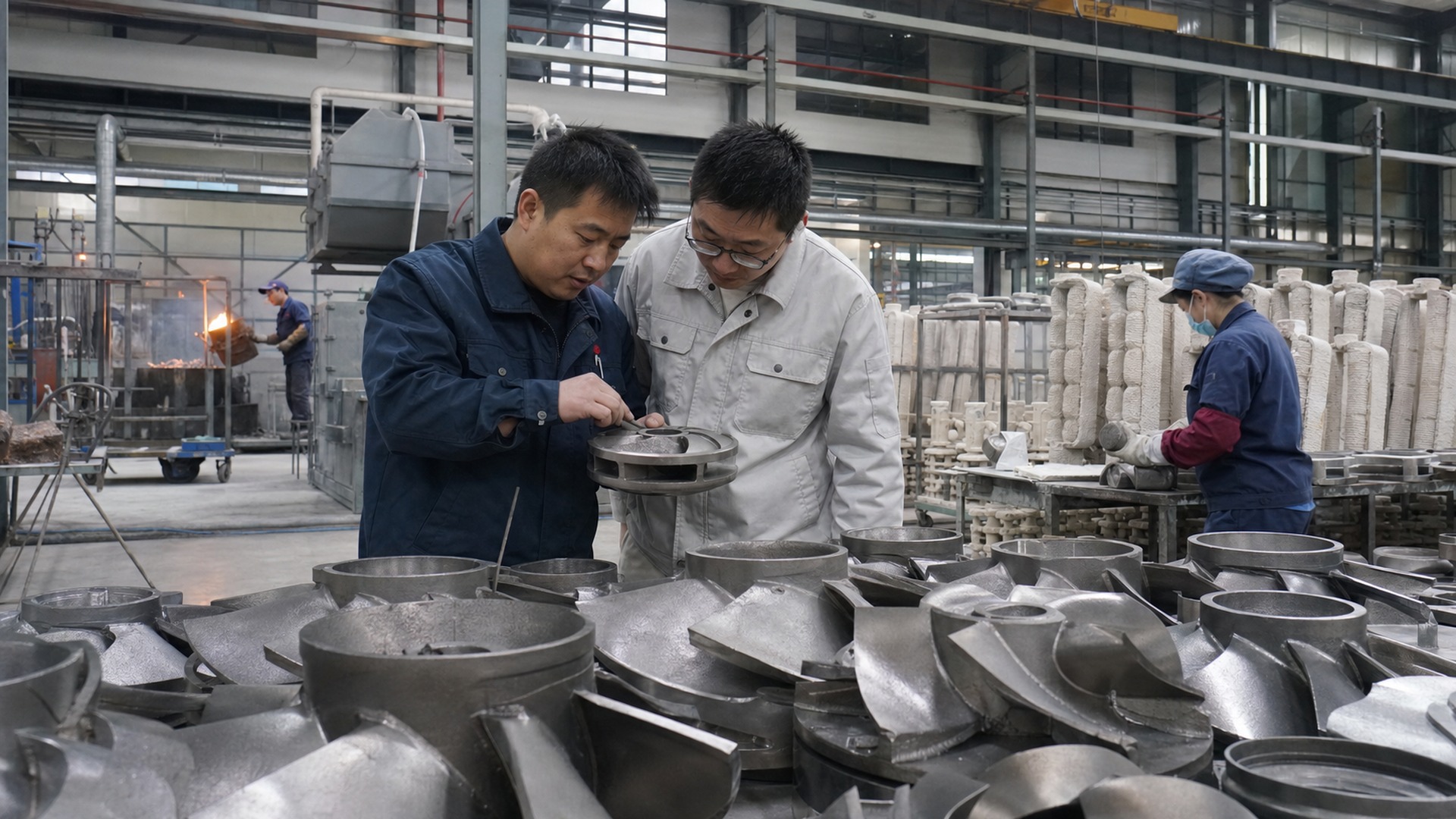
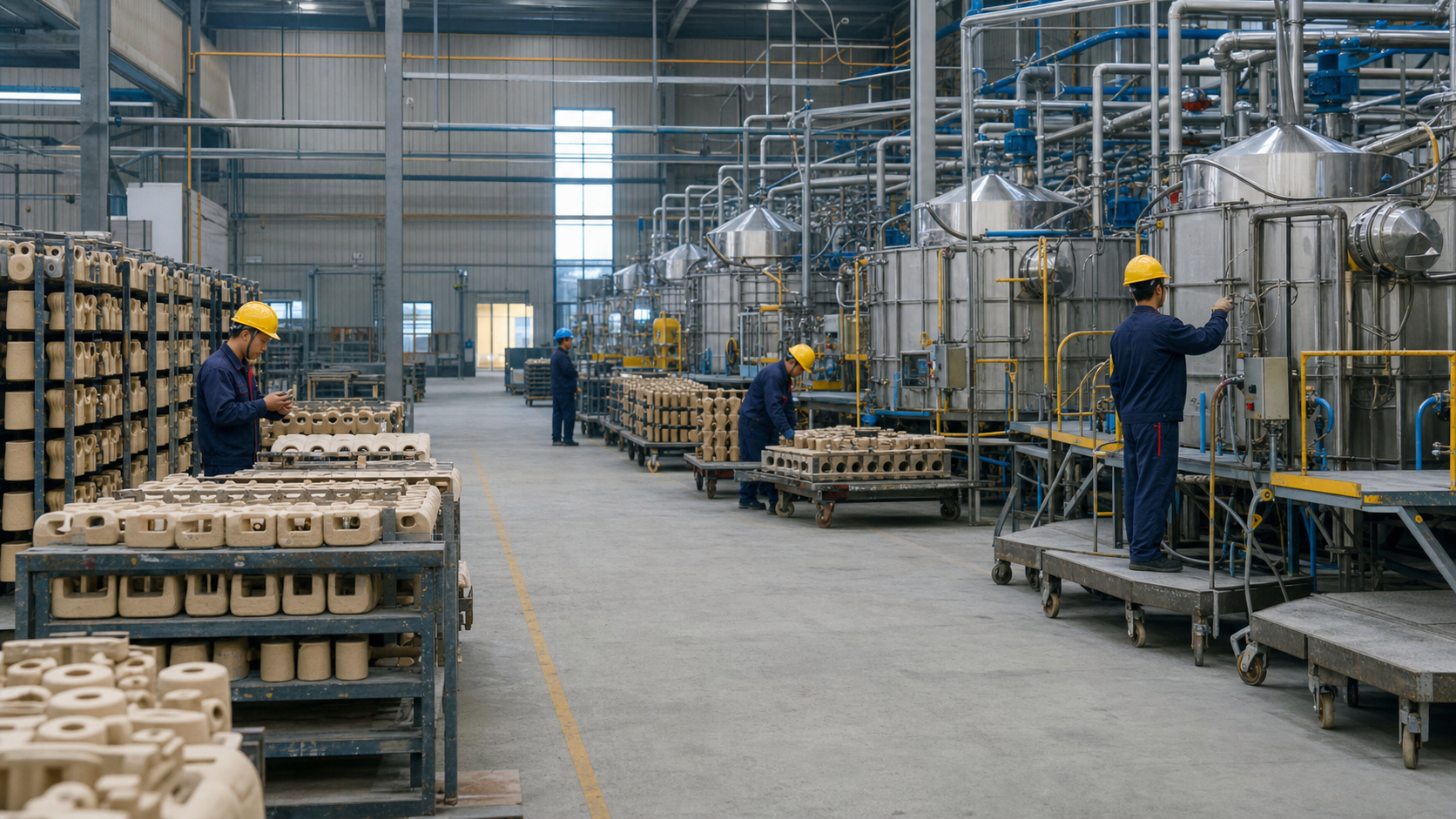
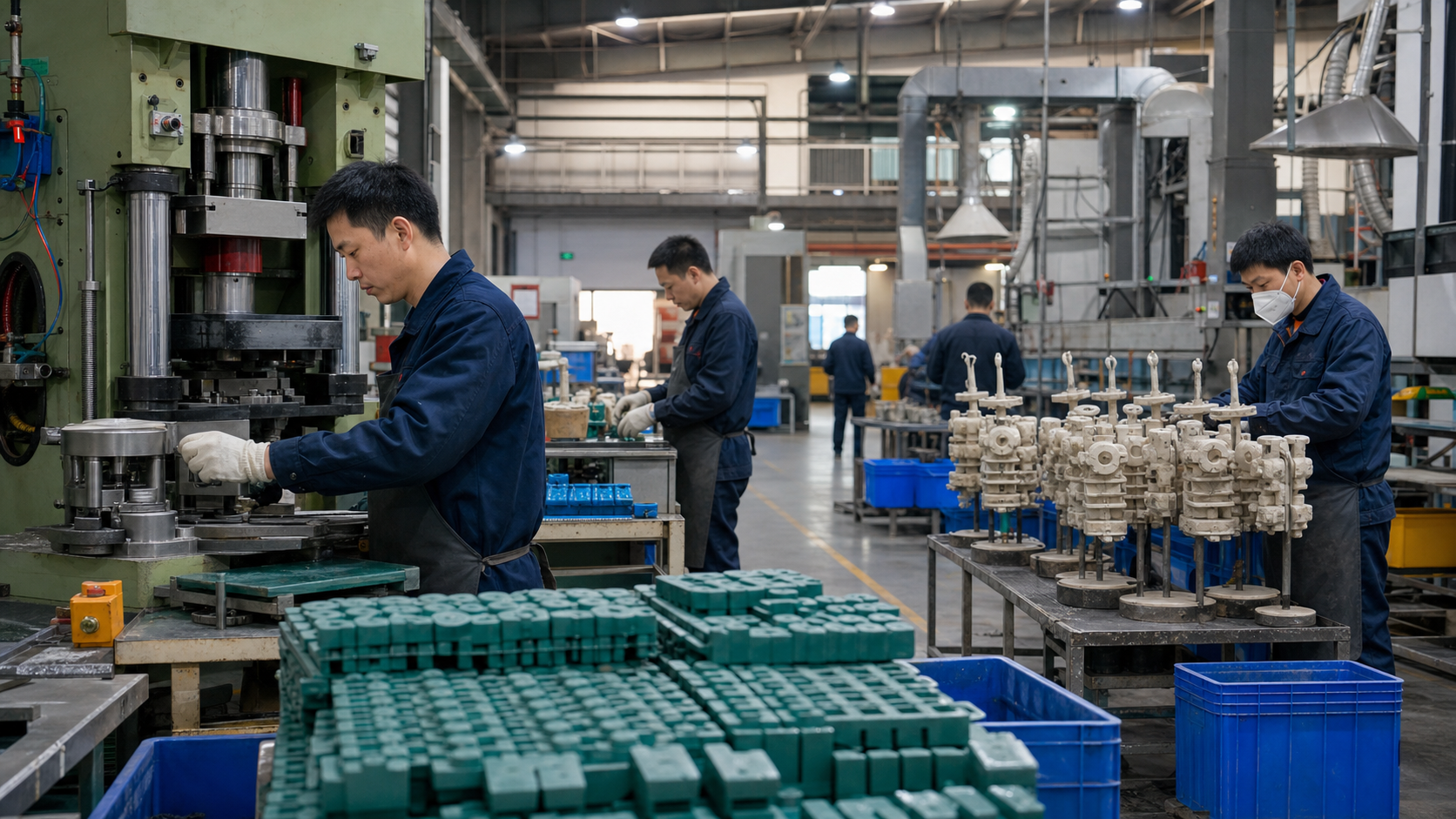
Precision casting, also known as investment casting or lost-wax casting, is a metal forming process used to produce parts with accurate dimensions, clean surfaces, and complex shapes that are difficult to make by ordinary machining or sand casting. It is widely used for stainless steel, carbon steel, alloy steel, aluminum, brass, and other metals. The main value of precision casting is simple: it allows manufacturers to turn an exact pattern into a near-net-shape metal component. That means less machining, less material waste, and better consistency from part to part. How Precision Casting Works The process starts with a wax pattern. This wax pattern has the same shape as the final casting. Several wax patterns are often connected to a central runner system to form a wax tree. The tree is then dipped into ceramic slurry and coated with fine refractory material. After several layers are built up and dried, the ceramic shell becomes strong enough to hold molten metal. Next, the wax is melted out of the ceramic shell. This is why the process is often called lost-wax casting. The empty ceramic cavity is heated, and molten metal is poured into it. After cooling, the ceramic shell is removed, the individual castings are cut from the tree, and each part is cleaned, heat treated, machined, and inspected as required. Why Manufacturers Use Precision Casting Precision casting is chosen when a part needs a good balance of shape complexity, dimensional accuracy, and reliable mechanical performance. Compared with many other casting methods, it can produce thinner walls, finer details, and smoother surfaces. It is especially useful for parts with internal shapes, curved profiles, ribs, bosses, holes, and other features that would be costly to machine from solid material. For buyers, the advantage is not only the shape. A well-controlled precision casting process…
05/23/2026
When comparing 304 vs 316 stainless steel for a real component, the right choice depends less on appearance and more on service environment. Both grades look almost identical at first glance, but 304 vs 316 stainless steel performance can differ sharply when the part has to live with chloride, salt spray, cleaning chemicals, higher corrosion risk, or a strict cost target. In short, 304 stainless steel is a practical, cost-effective choice for general industrial environments. 316 stainless steel adds molybdenum, which gives it stronger resistance to pitting and crevice corrosion, especially in marine, chemical, and chloride-rich conditions. What is 304 stainless steel? 304 stainless steel is the most common grade in the 300-series stainless family. It typically contains around 18% chromium and 8% nickel, which is why it is often described as 18/8 stainless steel. This composition gives 304 good corrosion resistance, clean appearance, and reliable performance in many indoor and mildly outdoor applications. For machined parts, cast components, brackets, housings, food equipment parts, and general hardware, 304 is often the first grade engineers consider. It balances availability, fabrication performance, and cost very well. What is 316 stainless steel? 316 stainless steel is also an austenitic stainless steel, but it includes molybdenum in addition to chromium and nickel. That molybdenum content is the key reason 316 performs better where chlorides or aggressive chemicals are present. If the part will be used near seawater, exposed to de-icing salts, cleaned frequently with chemical agents, or installed in a corrosive processing environment, 316 is usually the safer option. It is not “rust-proof,” but it gives the surface more time and resistance before localized corrosion starts. 304 vs 316 stainless steel: main differences Factor 304 stainless steel 316 stainless steel Main alloy difference Chromium and nickel based Chromium, nickel, plus molybdenum Corrosion resistance Good…
05/19/2026
Stainless steel gear components often look simple from a distance, but the critical work happens inside the tooth profile, bore, and internal contour. When these areas must be accurate, smooth, and consistent, slow wire EDM machining is one of the most reliable ways to produce the geometry without forcing the material or creating heavy cutting stress. For Aodson, wire EDM is especially useful on stainless steel parts where a clean internal profile, stable fit, and repeatable edge quality matter. The process uses a thin traveling wire and controlled electrical discharge to remove material along the programmed path. Because the tool does not push against the part like a conventional cutter, the final profile can stay very close to the CAD design even when the component has narrow slots, small radii, or deep internal features. Why stainless steel gear parts benefit from slow wire EDM Stainless steel is strong, corrosion resistant, and durable, but it can be demanding to machine. Heat, work hardening, and tool pressure may affect dimensional control during traditional cutting. Slow wire EDM helps reduce these concerns because the cutting force is extremely low and the wire follows the programmed contour with fine control. This makes the process suitable for gear-like parts, pump components, mechanical transmission parts, indexing pieces, and custom stainless profiles that require accurate mating surfaces. Internal gear windows and curved tooth roots can be cut directly rather than approximated with multiple milling passes. Key advantages for precision gear profiles Process considerations before cutting A successful wire EDM part starts before the machine is switched on. Material grade, blank thickness, start-hole position, allowance, drawing tolerance, and final surface requirement should be reviewed together. For stainless steel gear components, the cutting path must protect the functional tooth profile while allowing enough material for finishing if polishing or…
05/16/2026
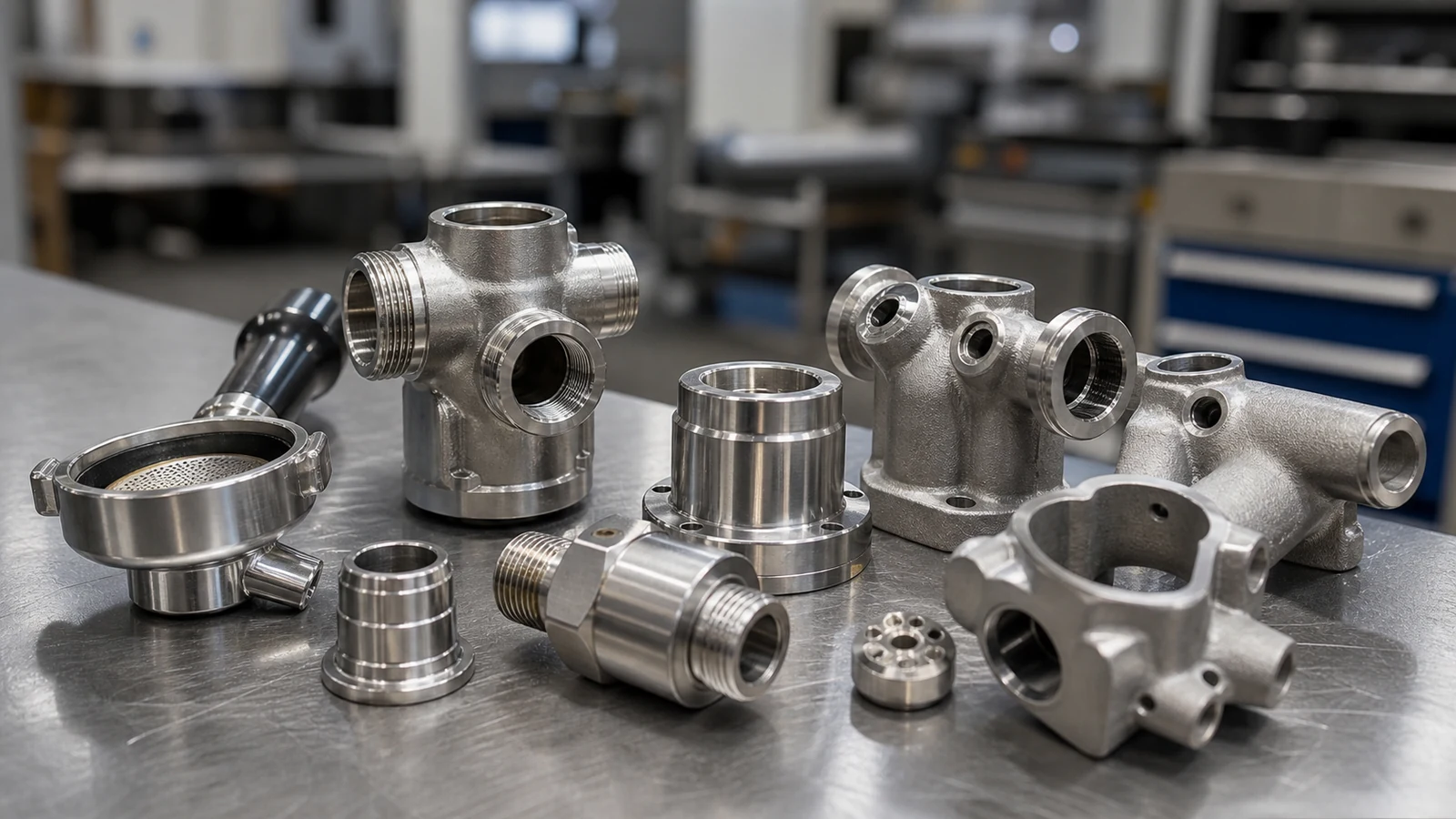
China has become one of the most important forces in the global stainless steel industry. From stainless steel machining and precision mechanical parts to investment castings and architectural hardware, Chinese manufacturers support a wide range of industries with scale, technical experience, and reliable supply chain coordination. For international buyers, stainless steel is not only a material choice. It is a long-term performance decision. Stainless steel components must resist corrosion, maintain dimensional accuracy, deliver stable mechanical strength, and meet the appearance requirements of modern equipment and buildings. China’s stainless steel processing sector has developed around these real customer needs, combining material availability, mature production clusters, experienced engineers, and flexible manufacturing capacity. China’s Role in Stainless Steel Processing Stainless steel processing in China covers cutting, bending, CNC machining, polishing, welding, surface finishing, and assembly. This broad capability allows manufacturers to serve customers in machinery, construction, marine equipment, food processing, chemical equipment, energy, transportation, and many other fields. The strength of China’s stainless steel industry comes from more than production volume. It also comes from the ability to coordinate complex manufacturing steps efficiently. A single project may require stainless steel raw material selection, casting, machining, drilling, tapping, polishing, passivation, inspection, packaging, and export documentation. Chinese suppliers are highly experienced in connecting these steps into a complete and practical solution for global customers. Stainless Steel Castings for Global Industry Stainless steel casting parts are widely used where complex shapes, strength, corrosion resistance, and production efficiency are required. Through investment casting and related processes, manufacturers can produce pump parts, valve parts, brackets, connectors, fittings, equipment components, and custom industrial parts with stable quality. China has built a strong position in stainless steel casting because it can combine engineering support, tooling development, casting production, secondary machining, and finishing in one supply chain. This is especially valuable…
05/15/2026
Explore stainless steel recessed manhole covers, hidden linear drainage channels and stainless steel grating for commercial, industrial and architectural floors, including application scenarios, selection tips and installation methods.
05/15/2026
Why Concealed Hinges Matter in Modern Architectural Doors In high-end commercial buildings, hotels, villas, offices, hospitals, and public facilities, door hardware is expected to do more than simply open and close. It must support heavy panels, maintain accurate alignment, protect the door structure, and preserve a clean architectural appearance. That is why more contractors and door manufacturers are choosing concealed hinges, also called hidden hinges or invisible hinges. A concealed hinge is installed inside the door leaf and frame, so the hinge body is not exposed when the door is closed. This creates a flush, minimalist look while improving safety, reducing tampering risks, and supporting premium door designs such as marble doors, fire-rated doors, wooden doors, metal doors, and custom architectural panels. AODSON provides professional concealed hinge solutions for demanding door projects, including marble-clad doors and fire door applications where strength, precision, and reliable installation are essential. Concealed Hinges for Marble Doors Marble doors are visually impressive, but they also place special demands on hinge hardware. Natural stone, composite stone, and marble-faced panels are heavier than standard interior doors. They also require careful support to avoid sagging, cracking, edge damage, or uneven gaps over time. For marble door concealed hinge applications, the hinge should offer: When properly selected and installed, AODSON concealed hinges help marble doors achieve a refined appearance without sacrificing durability. This makes them suitable for luxury apartments, hotel suites, office lobbies, private clubs, showrooms, and high-end residential projects. Concealed Hinges for Fire-Rated Doors Fire-rated doors require hardware that supports safety, stability, and compliance with the door system design. In many modern buildings, designers want fire doors to look clean and integrated with the surrounding wall, especially in corridors, public areas, and commercial interiors. A fire door concealed hinge solution can help achieve that appearance while supporting reliable…
05/13/2026
In industries where measurement, control and reliability matter, small metal components often carry a large share of system performance. Stainless steel instrument fittings are a good example. They may look simple from the outside, but the threads, sealing faces, bores and shoulders all need to be produced with consistent accuracy so the finished assembly can perform safely in demanding environments. Why stainless steel is widely used for instrument fittings Stainless steel offers an excellent balance of corrosion resistance, strength and long service life. For instrumentation systems used in fluid control, pressure monitoring, analytical equipment, marine hardware or industrial automation, these properties help fittings maintain dimensional stability and surface integrity over time. Common stainless steel grades such as 304 and 316 are often selected according to the working environment. 304 stainless steel is suitable for many general industrial applications, while 316 stainless steel provides stronger resistance in chloride-rich or more corrosive conditions. Choosing the right grade at the design stage can reduce maintenance issues and improve product reliability. The role of CNC machining in precision fitting production CNC turning and milling make it possible to manufacture stainless steel instrument fittings with tight tolerances and repeatable quality. Features such as internal and external threads, tapered seats, small holes, grooves and flat sealing surfaces can be produced in one controlled workflow when the process is planned correctly. For stainless steel parts, machining stability is especially important. Stainless steel has toughness and work-hardening characteristics, so tool selection, cutting parameters, coolant strategy and fixture design all affect the final result. A stable CNC process helps control burrs, preserve thread quality and maintain a clean surface finish. Key details buyers should pay attention to When sourcing CNC machined stainless steel instrument fittings, the drawing is only the starting point. Buyers should also consider the functional surfaces…
04/19/2026
In the modern manufacturing landscape, Computer Numerical Control (CNC) machining stands as a cornerstone technology, revolutionizing how precision parts and components are designed and produced. From aerospace components to everyday consumer goods, CNC machining has become an indispensable tool, blending computer programming, mechanical engineering, and automation to deliver consistent, high-quality results. This article explores the fundamentals of CNC machining, including its definition, core processes, key components, applications, advantages, and future trends. 1. What is CNC Machining? CNC machining refers to the automated control of machine tools using computer programs encoded with numerical data. Unlike traditional manual machining, which relies on human operators to manipulate tools and guide the machining process, CNC machining uses pre-programmed instructions to control the movement of cutting tools, workpieces, and other machine components with unparalleled precision. The core principle is to translate design specifications—typically created using Computer-Aided Design (CAD) software—into a set of commands (often in G-code or M-code) that the CNC machine interprets and executes automatically. Below are practical G-code examples for common CNC operations, making the programming concept more tangible: The evolution of CNC machining traces back to the 1950s, when the first numerically controlled (NC) machines were developed using punched cards for programming. As computing technology advanced, NC machines evolved into CNC systems, which offer greater flexibility, easier programming, and real-time adjustments—eventually replacing manual machining in most high-precision and high-volume manufacturing applications. Today, CNC machining is used across industries to produce parts with tight tolerances (often as small as ±0.0005 inches) and complex geometries that would be impossible or impractical to achieve manually. 2. Core CNC Machining Processes CNC machining encompasses a range of subtractive manufacturing processes, where material is removed from a workpiece to achieve the desired shape. The most common processes include: 2.1 CNC Milling CNC milling is one of the…
04/17/2026
On drawings, the choice between CNC machining, die casting, and sheet metal fabrication often appears straightforward. Yet in real-world production, OEMs frequently make suboptimal process decisions—driving up costs, extending lead times, and creating downstream assembly challenges. The real difficulty lies not in understanding what each process is, but in how each behaves under actual manufacturing constraints such as tolerance requirements, supply-chain limitations, and volume fluctuations. This article provides a technical comparison of these processes, highlights common engineering pitfalls, and explains how engineering-driven suppliers help OEMs avoid unnecessary risks and costs. 1. CNC Machining: Precision and Flexibility, but Highly Sensitive to Unit Cost CNC machining is often seen as the safest choice due to its precision and repeatability, with tolerances commonly guided by standards such as ASME Y14.5. However, for complex geometries, CNC becomes the most cost-sensitive option due to material waste and long machining cycles. When CNC is Suitable Common OEM Mistakes Industry Example A consumer electronics enclosure was initially machined during prototype runs. Once volume increased to several thousand units, the per-piece CNC cost surged. After evaluating alternative processes with a multi-process supplier, the team shifted to die casting with selective CNC post-machining, reducing total cost by around 30%. 2. Die Casting: Ideal for Scale, but Requires Planning and Realistic Expectations Die casting delivers strong cost efficiency at higher volumes, but the fixed tooling cost and lengthy lead time are commonly underestimated during early planning. The process is typically used for aluminum, zinc, or magnesium alloys, and the material itself limits applicability. Manufacturers often reference guidelines from industry bodies such as NADCA to ensure quality and dimensional stability. When Die Casting Is Suitable Common OEM Mistakes Industry Example An industrial equipment manufacturer initially machined a complex aluminum housing. Once annual volume projections increased, die casting became significantly more economical. After switching, total…
WhatsApp us