




Raised-Pattern Stainless Steel Plate for Fabrication
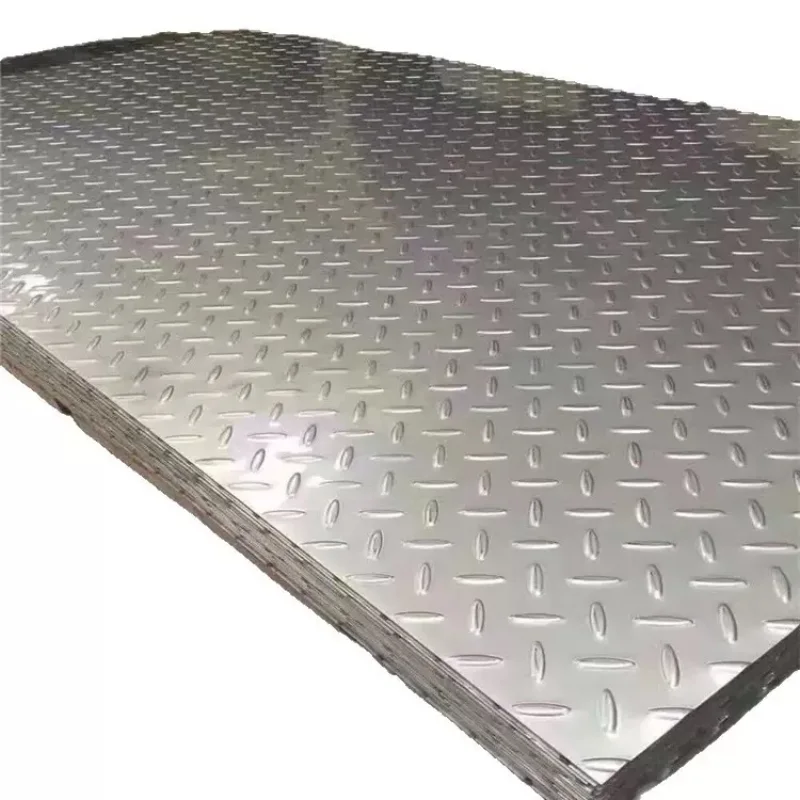
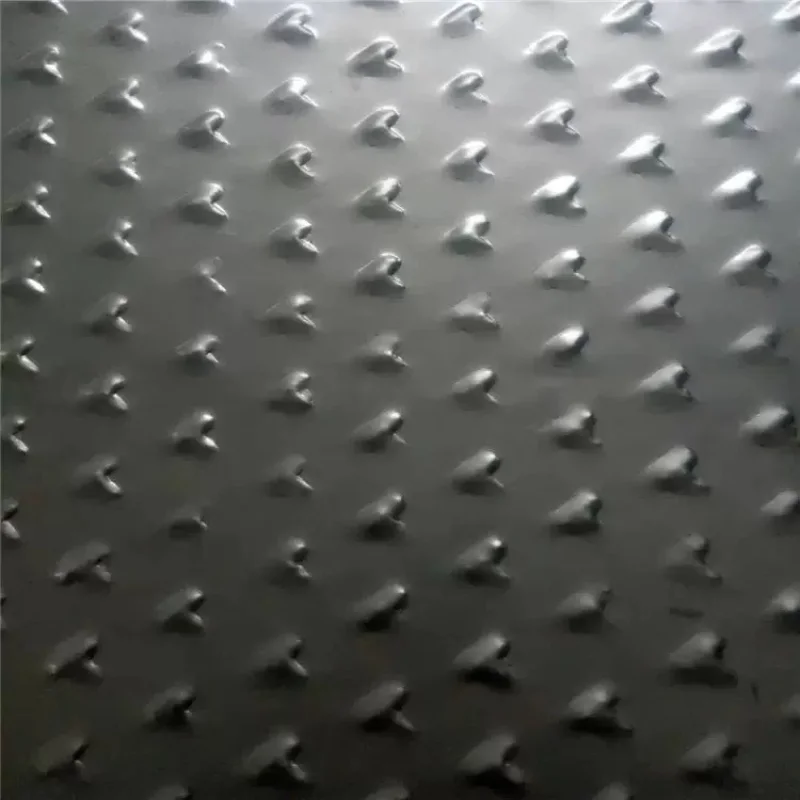
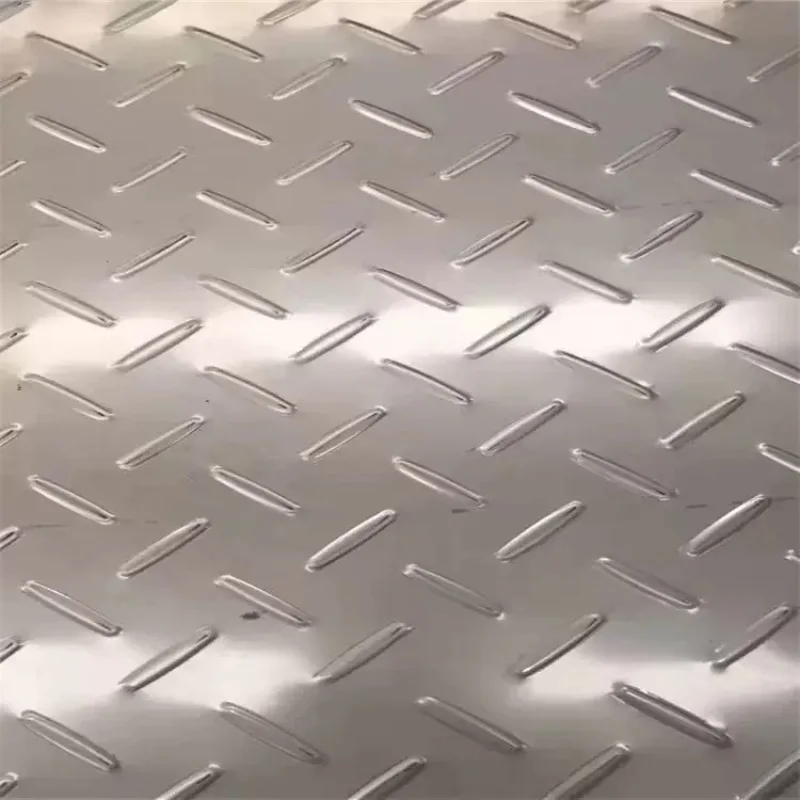
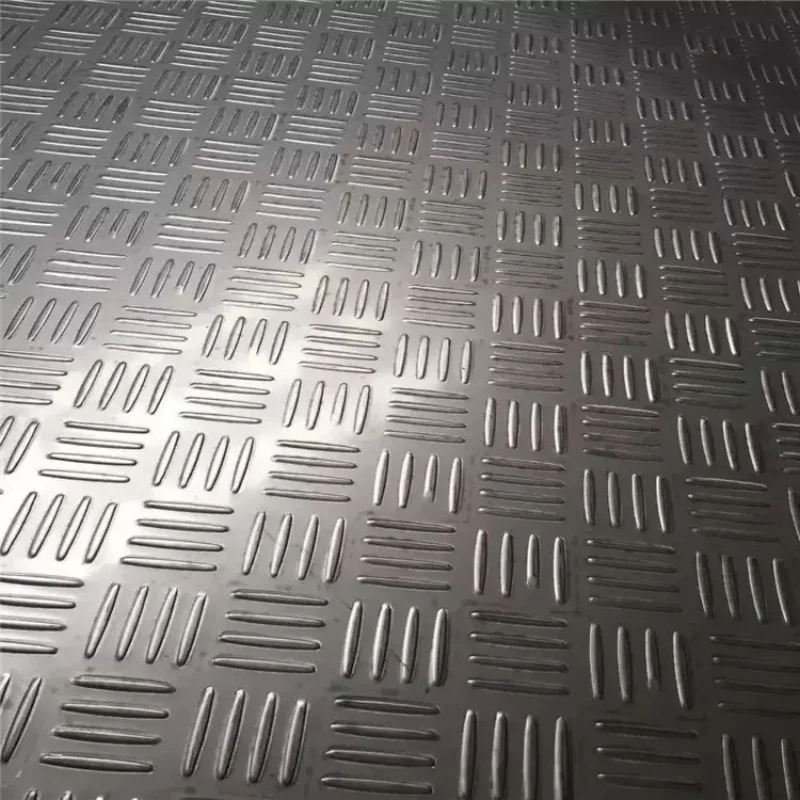
Stainless steel checker plate combines a flat sheet base with a repeated raised surface pattern. The supplied views show staggered lugs, diagonal bars and grouped bars arranged in alternating directions. These patterns provide different visual texture and contact characteristics, so the selected pattern should be identified in the quotation request.
The supplier reference identifies 304 stainless steel. Confirm the required alloy standard, base thickness, overall thickness over the raised pattern and surface condition before ordering. The photographs do not establish a tested slip-resistance classification or structural load capacity.
Specifications to Define
| Item | Details for quotation |
|---|---|
| Product form | Flat stainless steel checker plate or tread sheet with a raised surface pattern. |
| Material reference | 304 stainless steel appears in the supplier reference. Specify the applicable material standard, grade and required certification. |
| Pattern | Identify the required bar, lug or grouped checker pattern. Availability and exact geometry are confirmed with the quotation. |
| Dimensions | State sheet length, width, base thickness and whether the overall height includes the raised pattern. |
| Surface and edge condition | Define the visible finish, protective film if required, cut-edge condition, deburring and directional appearance. |
| Further processing | Provide drawings for cut blanks, holes, notches, bending or welded fabrications. Feasibility depends on thickness, pattern and geometry. |
| Inspection | Specify dimensional records, material documentation and any application-specific surface tests needed. |
Pattern and Thickness Selection
Pattern descriptions are not universal across mills and suppliers. Include a reference photograph or pattern drawing when appearance and orientation are important. For adjacent panels, mark the required pattern direction and indicate whether visual matching is necessary.
Distinguish base-metal thickness from the maximum overall thickness at the raised features. If weight, stiffness or fit within a frame is critical, provide the calculation basis and mating dimensions. The raised pattern should not be included in structural calculations without an approved method.
Fabrication and Installation Considerations
Cutting and forming can affect flatness, edge quality and pattern alignment. Mark finished dimensions, bend lines, hole locations and presentation faces on the drawing. If welded into a step, cover or platform, specify the supporting structure and joint details separately.
For walking surfaces, review drainage, contamination, footwear, slope and cleaning conditions. A raised pattern alone does not guarantee a particular slip-resistance result. Any required slip testing or regulatory classification should be specified and agreed for the intended installation.
Quality and Order Review
Inspection can cover sheet dimensions, base thickness, pattern appearance, flatness, surface condition and cut edges as agreed. Material traceability, finish requirements and any special records should be listed in the purchase specification. See our quality control information.
Frequently Asked Questions
Which thickness should be stated?
State the base-metal thickness and, when fit or clearance matters, the maximum overall thickness over the raised pattern.
Are all photographed patterns supplied under one specification?
No. The gallery illustrates different surface patterns. Identify the required pattern, orientation and appearance so availability can be confirmed.
Does checker plate have a certified anti-slip rating?
No rating is established by these photos. Provide the required test method, classification and service conditions for review.
Request a Checker Plate Quote
Send the material standard and grade, pattern reference, sheet size, base thickness, quantity, finish, edge requirements and destination. Include a drawing for cut-to-size or fabricated parts and identify any inspection or slip-test requirements.