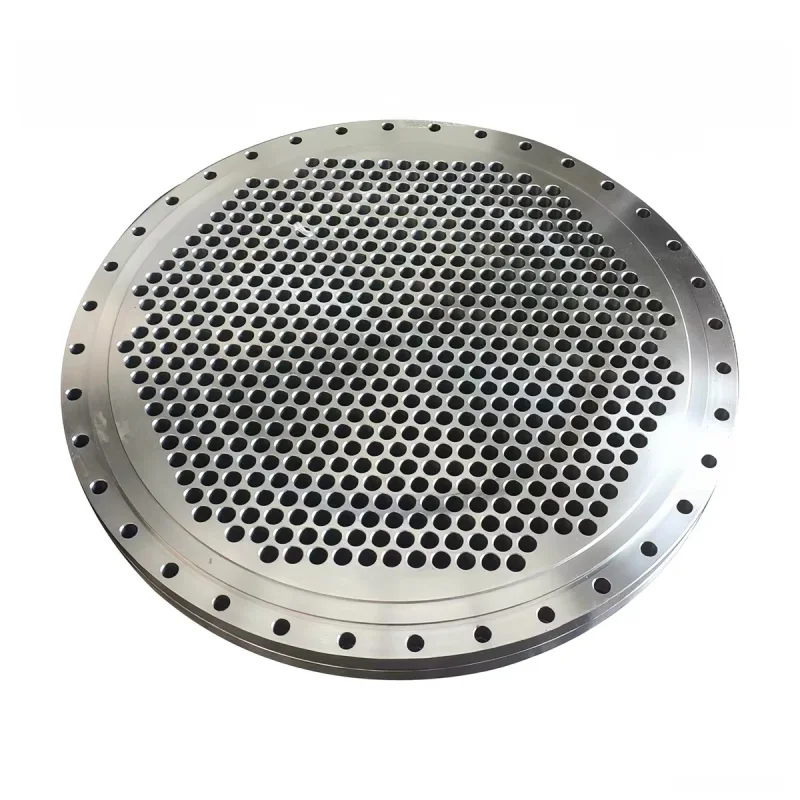




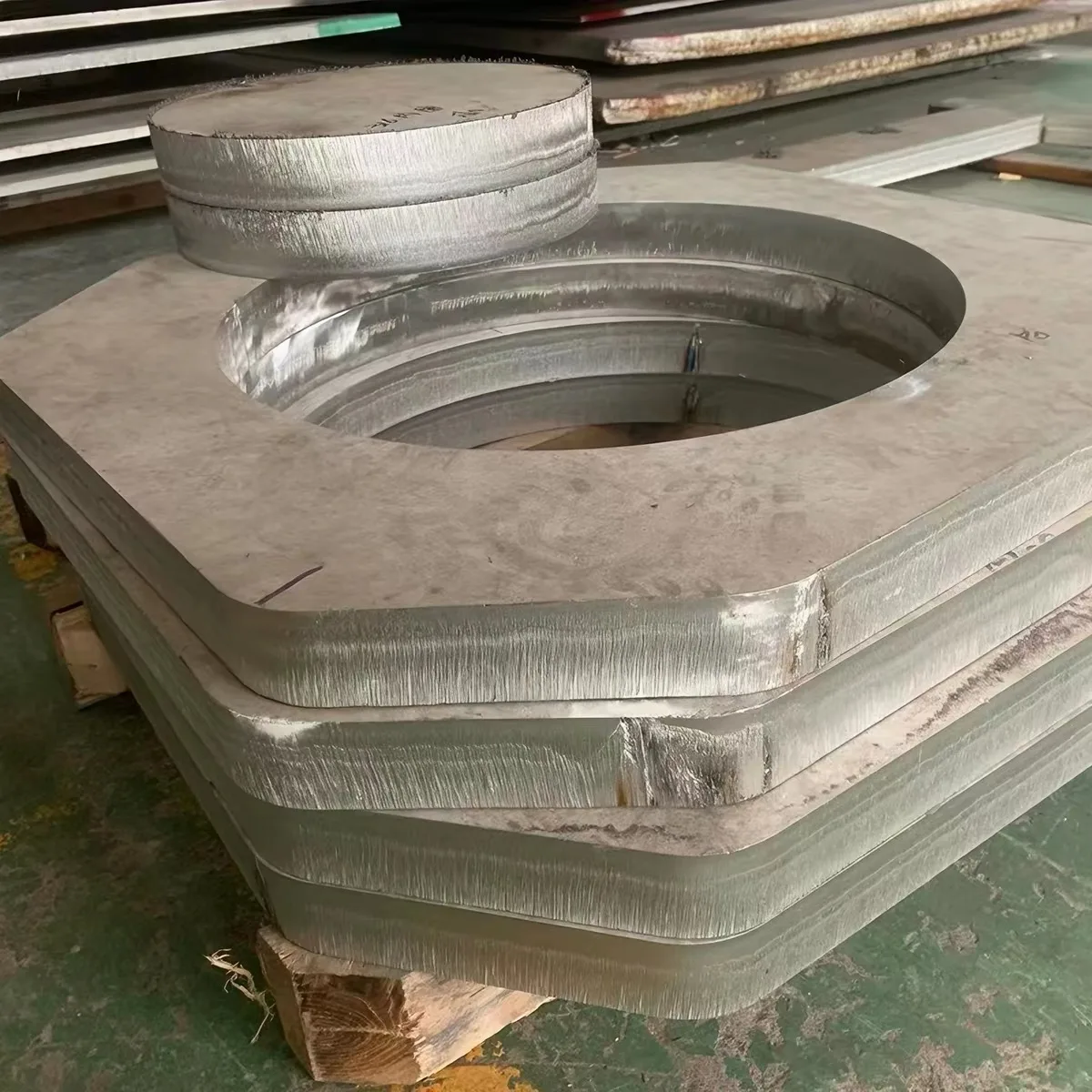
Custom stainless steel medium and heavy plate cutting parts are supplied as profile-cut blanks or as semi-finished components ready for machining, forming, welding and assembly. AODSON supports drawing-based production of rings, discs, frames, flanges, rectangular profiles, perforated channels and other custom geometries for industrial equipment, architectural fabrication and OEM projects.
Product Specifications and Custom Options
| Product type | Custom profile-cut stainless steel medium and heavy plate parts |
|---|---|
| Materials | 304, 316, 2205, 2507, 904L and customer-specified stainless or high-alloy plate subject to availability |
| Cutting routes | Laser, plasma, waterjet, saw cutting or combined processing selected to suit thickness, profile and tolerance |
| Part forms | Rings, discs, frames, flanges, blocks, strips, channels and complex drawing-based profiles |
| Secondary operations | CNC milling, turning, drilling, tapping, beveling, forming, welding, grinding and surface treatment |
| Supply condition | As-cut blank, deburred blank, machined component or fabricated assembly |
| Production basis | Approved 2D drawing, 3D model, nesting file or validated sample |
Selecting the Cutting Process
The most suitable cutting method depends on material grade, plate thickness, profile complexity, tolerance, edge requirement, quantity and subsequent machining. Laser cutting can provide efficient profile control on suitable plate ranges. Plasma cutting is often practical for heavier sections where machining allowance is available. Waterjet cutting avoids a thermal heat-affected zone and can suit demanding alloys or thick sections. Saw cutting may be preferred for simple blocks, bars and straight cuts. The final route is confirmed after drawing review.
Cut Blanks Versus Finished Components
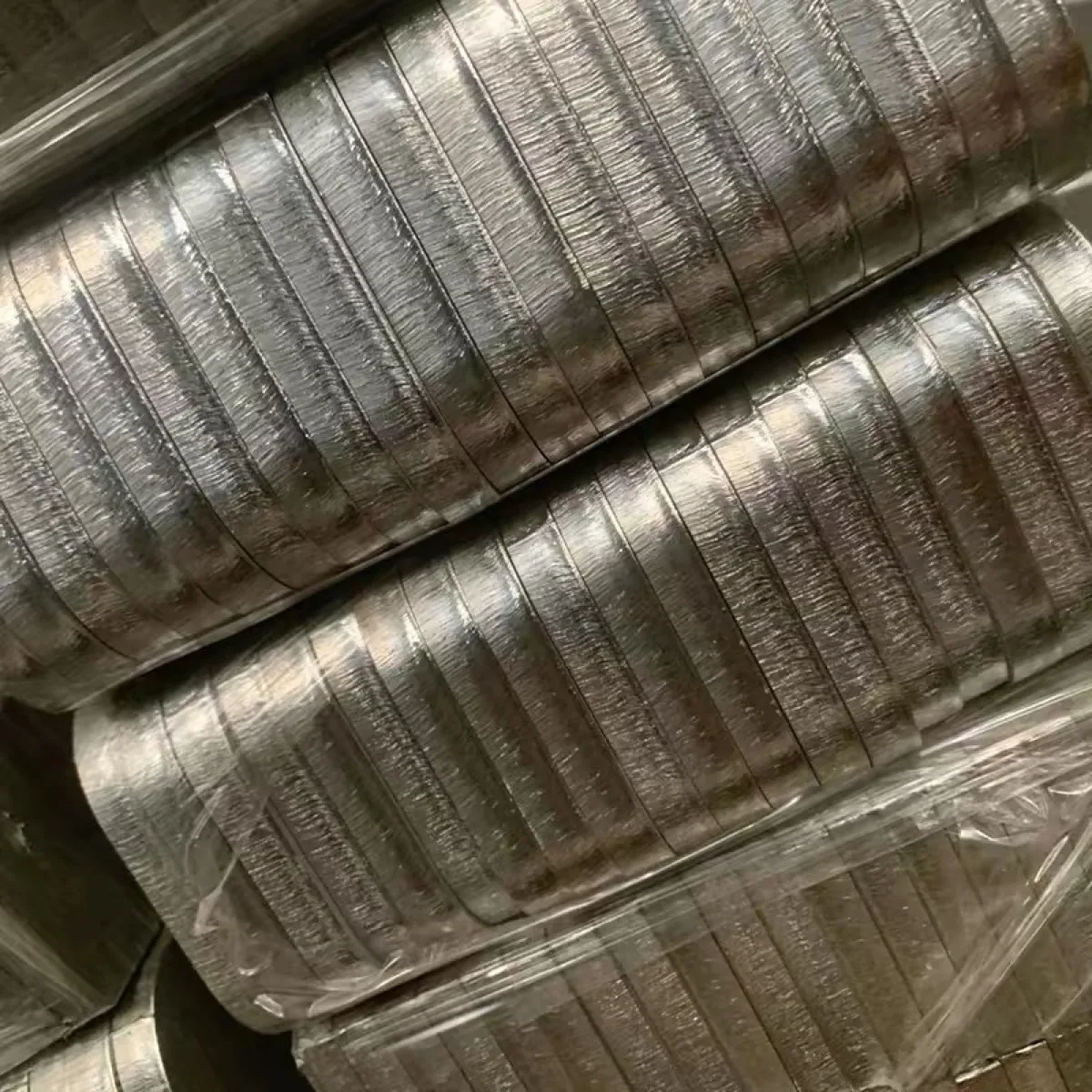
An as-cut blank is not automatically a finished precision part. Thermal cutting may leave scale, dross, taper or a heat-affected edge, while waterjet can show striation depending on speed and thickness. Critical bores, sealing faces, bearing seats, weld preparations and tight dimensional features normally require machining or finishing after cutting. AODSON can reserve machining allowance and coordinate datum surfaces when those requirements are shown on the drawing.
Material Grades and Traceability
Common requirements include 304 and 316 stainless steel for general industrial and corrosion-resistant parts, duplex 2205 and super duplex 2507 for higher strength and chloride resistance, and 904L or specified alloys for severe process environments. Material selection should be based on corrosion, temperature, mechanical loading, weldability and the applicable customer standard. Mill certificates and material identification can be included when required by the purchase specification.
Typical Applications
- Pump, valve and pressure-equipment blanks
- Large rings, flanges, frames and equipment bases
- Food, chemical and marine processing equipment
- Architectural stainless steel structures and access systems
- Machine guards, brackets and fabricated assemblies
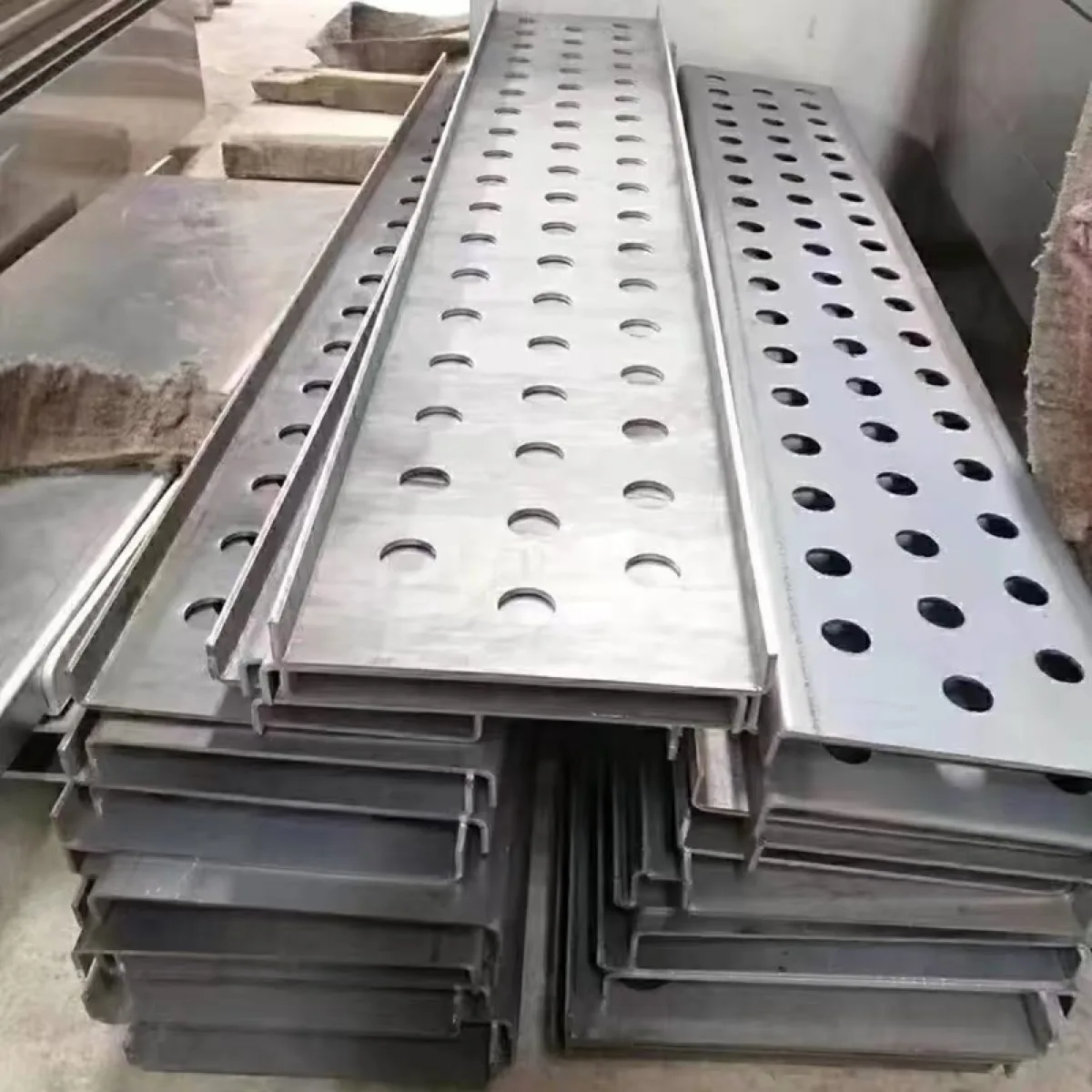
- Perforated channels, support profiles and custom OEM components
Secondary Machining and Fabrication
After profile cutting, parts can be drilled, tapped, bored, milled, turned, beveled, formed or welded according to the approved manufacturing route. For large rings and frame-shaped parts, nesting strategy and stress release may be considered to manage material use and distortion. Surface scale, burrs and sharp edges can be removed before subsequent operations or export packing.
Quality Control
Inspection can include material verification, plate thickness, external profile, cut opening, flatness, hole pattern, machining allowance and edge condition. Finished components can receive dimensional reports, thread checks, surface-finish inspection or project-specific non-destructive testing when the method and acceptance criteria are stated in advance.
Information Required for Quotation
- 2D drawing in PDF or DWG/DXF format and 3D model when available
- Material grade, plate standard and certificate requirements
- Plate thickness and finished part dimensions
- Critical tolerances, datums and required machining allowance
- Cut-edge, bevel, hole and surface-finish requirements
- Quantity, repeat demand and acceptable nesting arrangement
- Packaging, destination and delivery schedule
Send your plate drawing for a cutting and machining review. Related AODSON capabilities include CNC machining, OEM metal manufacturing, surface finishing and quality control.
Frequently Asked Questions
Which cutting method is best for thick stainless steel plate?
There is no single best method for every part. Thickness, alloy, tolerance, heat-affected-zone restrictions, edge quality, quantity and cost determine whether laser, plasma, waterjet or saw cutting is more appropriate.
Can AODSON supply finished machined parts instead of blanks?
Yes. Cutting can be followed by CNC milling, boring, drilling, tapping, turning, beveling, forming or welding according to the approved drawing.
Can duplex and high-alloy plate be processed?
Yes, subject to material availability and drawing review. The cutting and finishing route is selected to suit the specific alloy and service requirements.
What is needed for an accurate quotation?
Provide the material specification, thickness, finished geometry, critical tolerances, quantity and required supply condition. Identifying which edges or holes will be machined helps establish the correct cutting allowance.